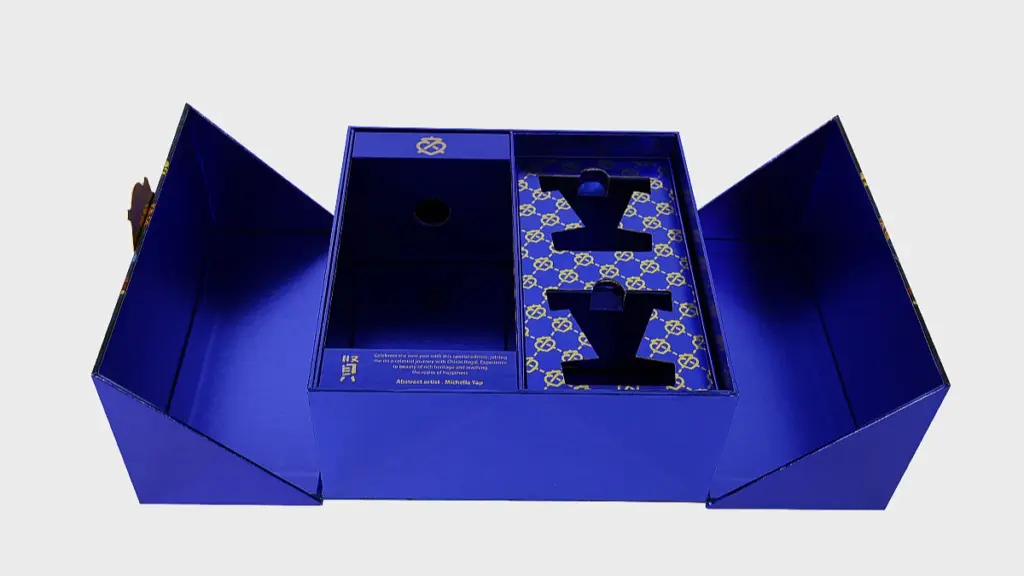
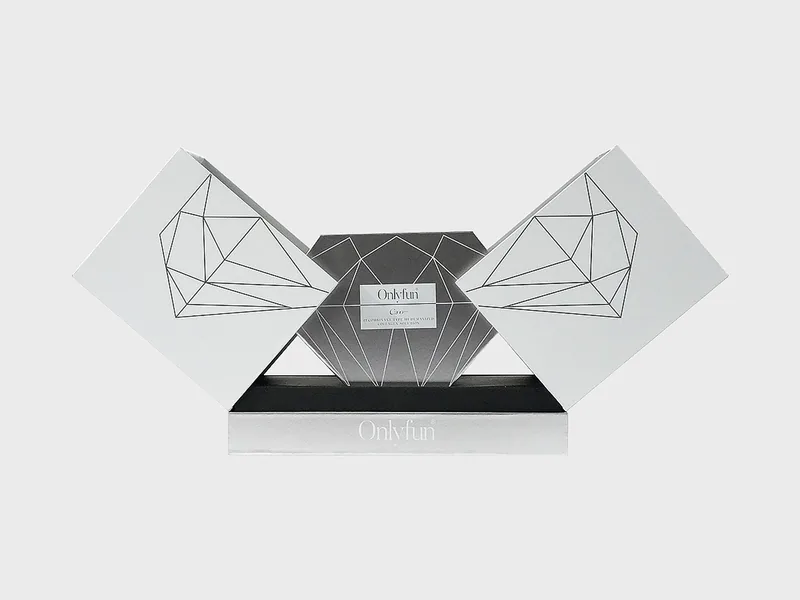
Molded pulp inserts are becoming a popular alternative to plastic trays and EPS foam packaging as brands seek more sustainable ways to protect their products. Made from recycled paper and renewable fibers, these inserts offer custom-fit structures for different product shapes while reducing reliance on conventional plastic materials.
The global molded pulp market is projected to grow from $4.7 अरब में 2026 को $5.5 अरब द्वारा 2030, reflecting increasing demand for fiber-based packaging alternatives. For brands and packaging buyers, this growth highlights the need to evaluate material options, उत्पाद सुरक्षा, अनुकूलन, and manufacturing capabilities when considering molded pulp inserts.
Growing Demand for Plastic-Free and Sustainable Packaging
Brands are exploring alternatives to plastic packaging while maintaining the protection their products need.
Reducing the Use of Plastic and Foam Materials
Plastic trays and EPS foam inserts are widely used for product protection, but concerns about packaging waste are driving demand for alternatives. According to Eurostat, the EU generated 35.9 kg of plastic packaging waste per person in 2024, with only 42.4% पुनर्नवीनीकरण.
ढाला हुआ गूदा आवेषण can replace selected plastic trays and foam components. Their custom-fit structures provide product support during storage and transportation while reducing reliance on conventional plastics. तथापि, उत्पाद का वजन, moisture exposure, and shipping conditions determine whether molded pulp is suitable for each application.
Making Better Use of Recycled and Renewable Fibers
Molded pulp inserts use different fiber sources, depending on material availability and product requirements:
- Recycled paper and cardboard: Reuse recovered fibers and reduce the demand for virgin materials.
- Sugarcane bagasse: Uses fibrous residue from sugarcane processing.
- Bamboo fibers: Provide another plant-based source for pulp production.
These materials differ in strength, बनावट, and moldability. Manufacturers need to match fiber properties with the insert’s structural and design requirements to balance material use and product protection.
You can learn more about: Molded Pulp vs Foam vs Plastic Inserts: Which Is Right for Product Packaging?
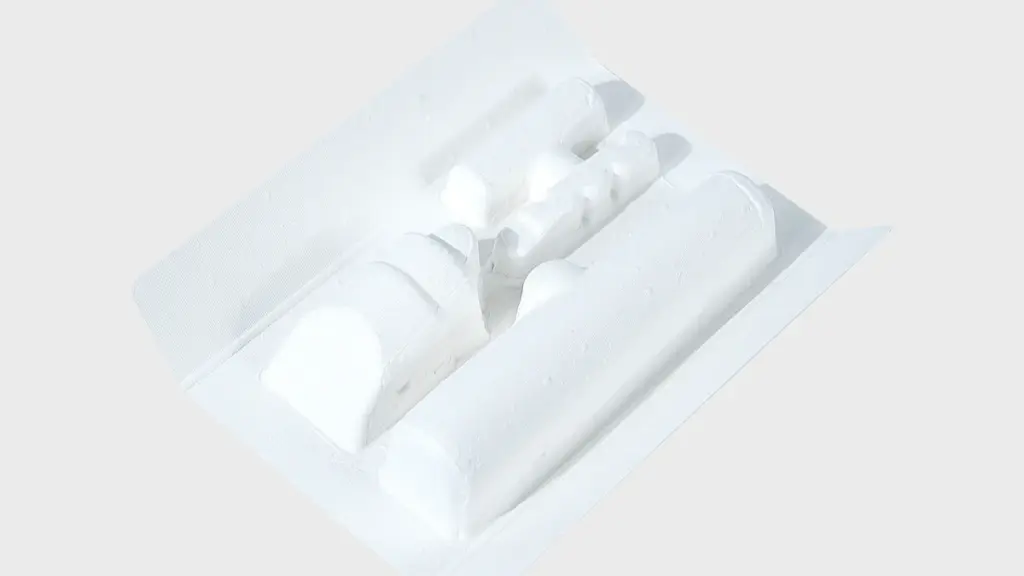
Environmental Regulations and Consumer Expectations Are Driving Adoption
Environmental policies and changing consumer expectations are encouraging brands to reconsider their packaging materials and reduce unnecessary waste.
Packaging Regulations Encourage Material Substitution
Governments are introducing stricter packaging rules to reduce waste and improve recyclability. The EU’s Packaging and Packaging Waste Regulation (पीपीडब्ल्यूआर) began applying on August 12, 2026, with requirements covering packaging design, waste reduction, reuse, and recyclability. It aims to make all packaging on the EU market recyclable in an economically viable way by 2030.
Other policies also influence material choices:
- Extended Producer Responsibility (ईपीआर): Requires businesses to take responsibility for the collection, recycling, or disposal of packaging waste, with specific obligations varying by market.
- Plastic Reduction Policies: Restrict certain single-use plastic products and encourage businesses to explore alternative materials.
अंतरराष्ट्रीय स्तर पर बिकने वाले ब्रांडों के लिए, these requirements make packaging material selection an important part of market compliance. Molded pulp inserts can replace selected plastic components, provided the overall packaging meets applicable regulations.
Consumers and Brands Expect More Responsible Packaging
Consumer awareness of plastic waste and excessive packaging is also influencing purchasing decisions. एक ही समय पर, brands are incorporating packaging improvements into their वहनीयता goals and product development plans.
- Consumer Expectations: Buyers increasingly value packaging that uses fewer unnecessary materials and is easier to recycle.
- Brand Sustainability Goals: Companies are exploring recycled and renewable materials to support their environmental commitments.
- Product Presentation: Well-designed molded pulp inserts can organize and protect products while creating a natural, fiber-based packaging appearance.
These changes are making packaging more than a protective component. It also reflects a brand’s approach to material use, environmental responsibility, and customer experience
You may be interested in: The Complete Guide to Sustainable Molded Pulp Packaging Inserts
Develop Custom Molded Pulp Inserts for Your Products
Molded Pulp Inserts Offer Reliable Product Protection
Product protection depends on both cushioning performance and insert design, विशेष रूप से हैंडलिंग और परिवहन के दौरान.
Cushioning and Shock Absorption During Transportation
Molded pulp inserts use shaped fiber structures and controlled wall thickness to absorb impact and reduce vibration during transportation. This helps protect products from shocks caused by handling, स्टैकिंग, and movement during delivery. Molded pulp inserts are suitable for packaging applications in the health and wellness, beauty and skincare, and spirits industries, including supplement bottles, skincare products, cosmetic sets, and wine bottles. Manufacturers can adjust insert thickness and structure according to product weight and fragility to meet different protection requirements.
Custom-Fit Designs for Different Product Shapes
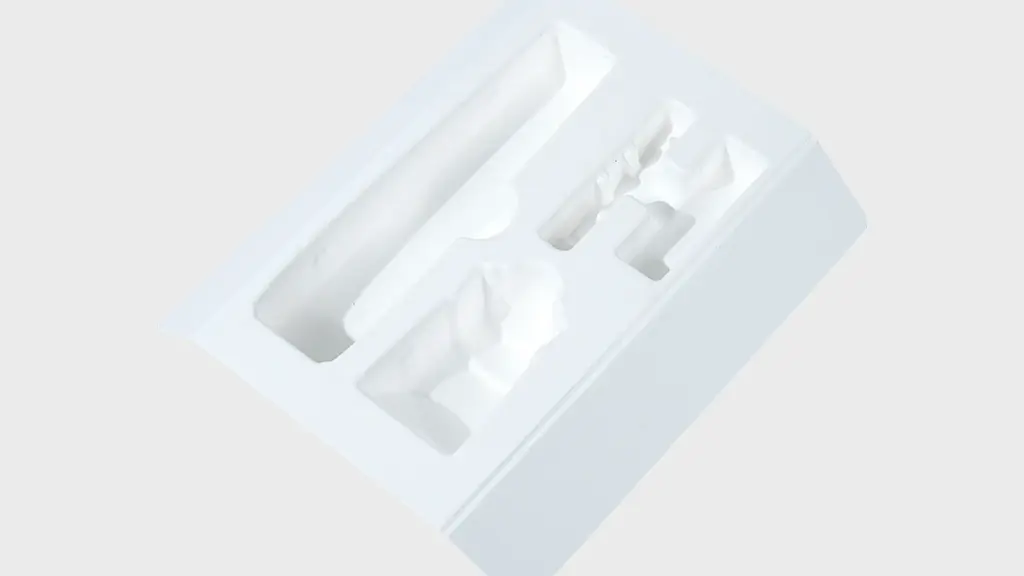
Product dimensions and shapes determine how well an insert fits and protects its contents. Experienced manufacturers with strong design and production capabilities can develop detailed structures for different packaging requirements, जैसे कि:
- Custom-shaped cavities: Match the dimensions and contours of individual products.
- Reinforced edges and corners: Provide additional support for fragile areas, such as bottle necks and bases.
- Separate compartments: Organize multiple products, such as skincare bottles, जार, and accessories, within one package.
These custom structures help secure products, reduce unnecessary movement, and limit the need for additional packaging fillers.
Greater Design Flexibility for Different Packaging Needs
Molded pulp inserts can support different packaging formats, product combinations, and visual requirements across various industries.
Custom Shapes and Structures for Product Organization
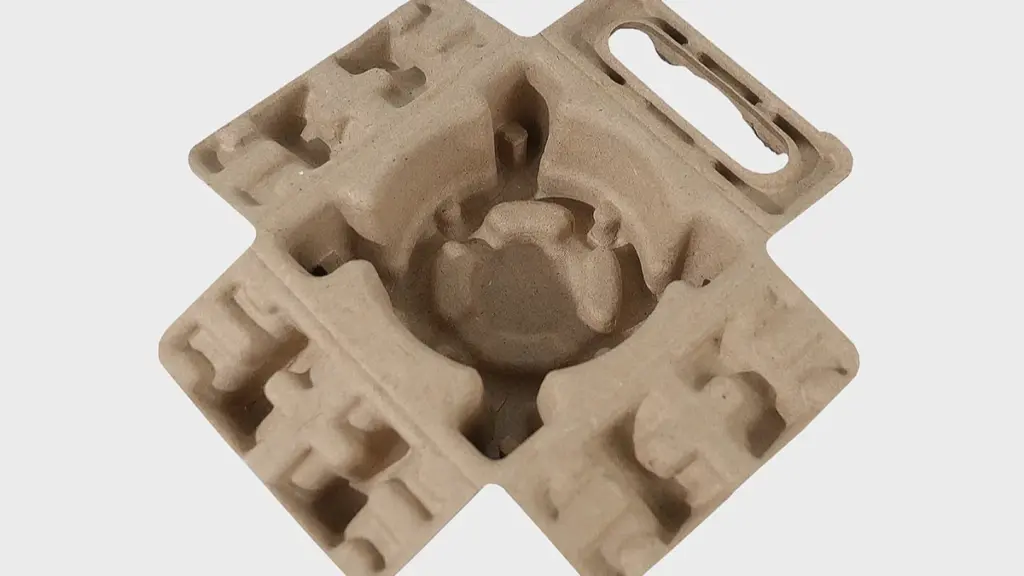
Molded pulp inserts can be designed to match the size, आकार, and quantity of products within a package. Beyond individual product compartments, manufacturers can develop different layouts to organize product sets and improve how items fit together. Common design options include:
- Single-layer inserts: Arrange individual products in one layer for simple product sets and retail packaging.
- Multi-layer inserts: Stack different product layers to organize larger sets or make better use of box space.
- Multi-product inserts: Combine different product shapes and sizes within one insert, making them suitable for skincare sets and gift collections.
These structures can also fit different outer packaging formats, including folding cartons, कठोर बक्से, और उपहार बक्से.
Improved Surface Finishes and Branding Options
Surface quality also affects how molded pulp inserts look and feel inside retail and gift packaging. Wet-pressed molding can produce smoother surfaces and cleaner edges than standard dry-pressed options, making it suitable for packaging that requires a more refined appearance. Manufacturers can also offer different finishing and branding options, जैसे कि:
- Color customization: Use selected pulp colors to coordinate with the outer packaging.
- Logo embossing: Add raised or recessed brand marks directly to the molded surface.
- Texture and surface details: Create specific textures to give the insert a more distinctive appearance.
These options help brands create a more consistent visual presentation and improve the unboxing experience, particularly for premium skincare products, health supplement sets, and spirits gift packaging.
Expanding Applications Across Different Industries
Molded pulp inserts serve a wide range of industries, with custom designs that meet different product protection and packaging requirements.
- Health & दवा: Molded pulp inserts for supplements, vitamins, healthcare products, and medical packaging.
- सुंदरता & व्यक्तिगत देखभाल: Custom inserts for skincare products, प्रसाधन सामग्री, व्यक्तिगत देखभाल आइटम, and beauty gift sets.
- आत्माओं & शराब: Protective inserts for wine bottles, liquor bottles, and premium spirits gift packaging.
- खाना: Packaging inserts for food products, confectionery, and specialty food gift boxes.
- इलेक्ट्रानिक्स: Custom-fit inserts for electronic devices, सामान, and consumer electronics.
- खिलौने & Crafts: Molded pulp inserts for toys, handmade crafts, and collectible products.
As material options and molding techniques continue to develop, molded pulp inserts are finding applications in both protective packaging and retail presentation across these industries.
Manufacturing Improvements Make Molded Pulp Inserts More Commercially Viable
Advances in molding technology and production methods are helping manufacturers improve product quality, control costs, and reduce material waste.
Advancements in Pulp Molding Technology
Wet press and dry press are two common processes used to manufacture molded pulp inserts. Each offers different advantages in surface finish, संरचना, और उत्पादन आवश्यकताएँ.
- Wet Press: Uses heated molds and pressure to form pulp into denser products with smoother surfaces and more defined edges.
- Dry Press: Forms pulp with less emphasis on surface refinement, making it suitable for applications where basic structure and product protection are the main priorities.
Manufacturers can select the appropriate process based on product shape, protection requirements, and appearance expectations. Improvements in mold design and process control also help achieve more consistent dimensions and structural quality.
Better Production Efficiency and Cost Control
Automation is improving several stages of molded pulp production, including forming, drying, and trimming. More controlled production processes help manufacturers reduce manual work, improve output consistency, and use production time more efficiently.
Material utilization also affects manufacturing costs. Better mold design and process planning can reduce excess material and limit production waste. For custom projects, tooling and development costs can be distributed across larger production volumes, making unit costs more manageable for bulk orders.
Reduced Material Waste and Packaging Components
Manufacturers can improve material efficiency by adjusting pulp thickness, insert structure, and overall packaging dimensions to match product requirements. A well-designed insert can provide the necessary support without using more material than needed.
Integrated molded pulp structures can also combine several protective functions in one component, reducing the need for separate foam blocks, plastic trays, or loose fillers. By optimizing insert design and outer packaging size together, brands can reduce unnecessary packaging components and make better use of shipping space.
अंतिम विचार
Molded pulp inserts are becoming a practical packaging option as brands respond to rising demand for sustainable materials, changing regulations, and better product protection. Advances in custom design and manufacturing technology also allow these inserts to replace selected plastic trays and foam components while meeting different needs for product protection, organization, और ब्रांड प्रस्तुति.
The right molded pulp insert solution depends on product dimensions, वज़न, परिवहन की स्थिति, appearance requirements, and target markets. रिसुन पैकेजिंग provides custom packaging solutions to help brands develop molded pulp inserts that match their products and packaging goals. Contact our team to discuss your project.
अक्सर पूछे जाने वाले प्रश्नों
What materials are used to make molded pulp inserts?
Molded pulp inserts are made from different fiber materials, including recycled paper, गत्ता, sugarcane bagasse, बांस का रेशा, and virgin wood pulp. Each material has different strength, बनावट, and molding properties. Manufacturers can recommend suitable materials based on product weight, protection requirements, and appearance expectations.
What is the difference between wet-press and dry-press molded pulp inserts?
Wet-press molded pulp inserts generally have smoother surfaces, denser structures, and more defined edges. Dry-press inserts usually have rougher surfaces and are suitable for applications where basic protection and cost control are priorities. The appropriate process depends on product requirements, पैकेजिंग डिज़ाइन, और बजट.
Are molded pulp inserts suitable for fragile or heavy products?
हाँ. Molded pulp inserts can protect products such as glass bottles, skincare containers, इलेक्ट्रानिक्स, and other fragile items. Manufacturers can adjust the insert structure, wall thickness, and cavity design according to product dimensions and weight. Drop and transportation testing can help confirm whether the design provides sufficient protection.
Can molded pulp inserts be customized for different products and packaging boxes?
हाँ. Custom molded pulp inserts can be developed with different shapes, cavity layouts, thicknesses, रंग, and surface details. They can also be designed to fit folding cartons, कठोर बक्से, और उपहार बक्से. Providing product dimensions, वज़न, packaging drawings, and reference samples helps manufacturers develop a suitable insert structure.
What factors affect the cost of custom molded pulp inserts?
The cost depends on material type, insert dimensions, संरचनात्मक जटिलता, molding process, tooling requirements, और ऑर्डर की मात्रा. Custom molds and product development can increase initial costs, while larger production volumes may reduce tooling and setup costs per unit. Providing detailed product specifications helps manufacturers prepare a more accurate quotation.