The engineering behind wine boxes directly influences product protection, shipping efficiency, and brand presentation. Weak structures or unsuitable inserts may increase the risk of bottle damage during handling and transportation, affecting both operational costs and customer experience.
This guide explains the key stages of wine box production, from structural design and material selection to printing, finishing, and final assembly. It covers the factors that influence packaging strength, visual appeal, and production quality, helping brands better understand how custom wine boxes are developed.
Wine Box Design and Structural Development
Wine box structural development is a technical discipline focused on one thing: getting fragile glass bottles from the winery to the end customer safely, while balancing brand, cost, and logistics.
Core Principles of Structural Design
The primary job of any wine box structure is to protect the glass bottles inside. This means engineering a solution that prevents breakage, scuffing, and any damage to the cork or closure as the package moves through the supply chain. It’s not just about a strong outer shell; it’s about controlling the product within the package.
Effective protection starts with precise internal dimensions. The structure must be based on the exact measurements of the filled bottle—height, diameter, and shoulder profile—to create a snug fit. This prevents the bottle from shifting excessively during transit, which is a common cause of damage. The goal is a fit that allows for easy insertion and removal but eliminates any significant movement.
Inserts and partitions are non-negotiable for proper wine packaging. These internal components are engineered to support bottles at their shoulder, stabilize them vertically, and most importantly, prevent bottle-to-bottle contact in multi-packs. A well-designed insert system is what truly absorbs and distributes shock, turning a simple box into a protective system.
Finally, the entire structure must be engineered to survive the realities of complex logistics. This includes withstanding compressive forces from stacking on a pallet, constant vibration on a truck, and the inevitable drops that occur in warehouses and parcel delivery networks. The structural design must account for these forces from the start.
Material Selection and Structural Implications
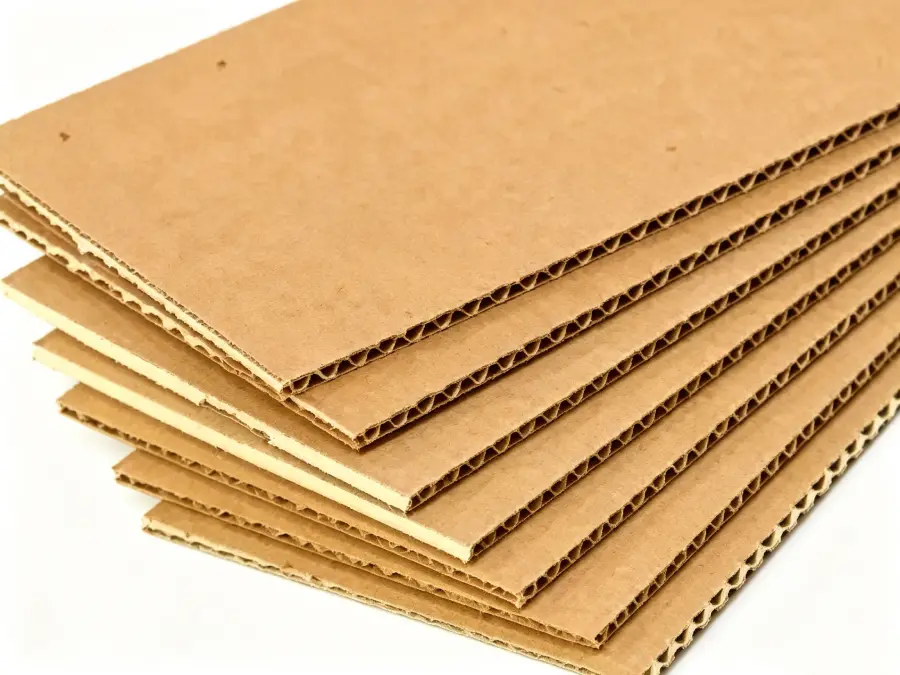
For shipping cases, corrugated cardboard is the industry standard. Its fluted construction provides excellent stacking strength and impact resistance, making it ideal for the tough environment of bulk distribution and e-commerce fulfillment. The choice of flute profile (e.g., B-flute, E-flute, or double-wall combinations) directly impacts the box’s crush resistance and cushioning properties.
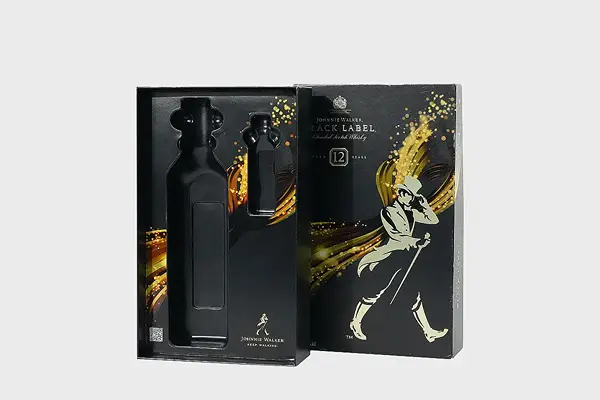
Luxury gift boxes, on the other hand, often use rigid paperboard (also known as chipboard). This dense material creates sharp edges and a premium feel but offers little inherent cushioning. For these boxes, the structural integrity relies almost entirely on custom-designed internal inserts made from foam, molded pulp, or folded paperboard to hold the bottle securely.
Wood is reserved for premium crates where brand perception is paramount. It offers natural strength and durability, elevating the unboxing experience. But like rigid board, wood requires careful internal padding and support structures to prevent the glass bottle from making direct contact with the hard interior surfaces.
The choice of material has direct consequences on the engineering. It dictates the required wall thickness, the type of joints needed for assembly (glued flaps vs. finger joints), and the overall weight of the finished package, which in turn affects shipping costs and handling.
Strength Standards and Performance Testing
To ensure reliability, corrugated shipping cartons must meet minimum industry strength standards. The most common metrics are the Edge Crush Test (ECT) and Burst Strength (Mullen test). For most wine shipments, a rating of at least 32 ECT or 175 psi burst strength is the baseline requirement for single-wall boxes, providing confidence that the box can handle stacking and handling stresses.
A critical step in structural design is applying a safety factor. Engineers calculate the total weight of the filled package—including bottles, wine, and inserts—and then design the box to support 1.5 to 2 times that weight. This ensures the box has the reserve strength to withstand unexpected impacts or higher-than-usual stacking loads without failing.
A design isn’t complete until it’s validated through performance testing that simulates real-world conditions. Standard tests include drop tests from various heights, vibration tests to mimic truck transport, and stacking compression tests to confirm warehouse performance. Passing these tests proves the packaging concept works in practice, not just on paper.
Quality control is the final piece of the puzzle. Throughout production, checkpoints are necessary to verify dimensional accuracy, correct bottle fit, and the integrity of glued joints or locking tabs. Consistent QC ensures that every box off the line performs as designed.
Designing Structures for Different Use Cases
How a wine box is used dictates its structural design. For retail environments, boxes must be stackable, easy to handle, and visually appealing. This often means including reinforced handles that won’t tear when a customer picks up a six-pack, or adding windows that show off the bottle label without compromising the box’s structural integrity.
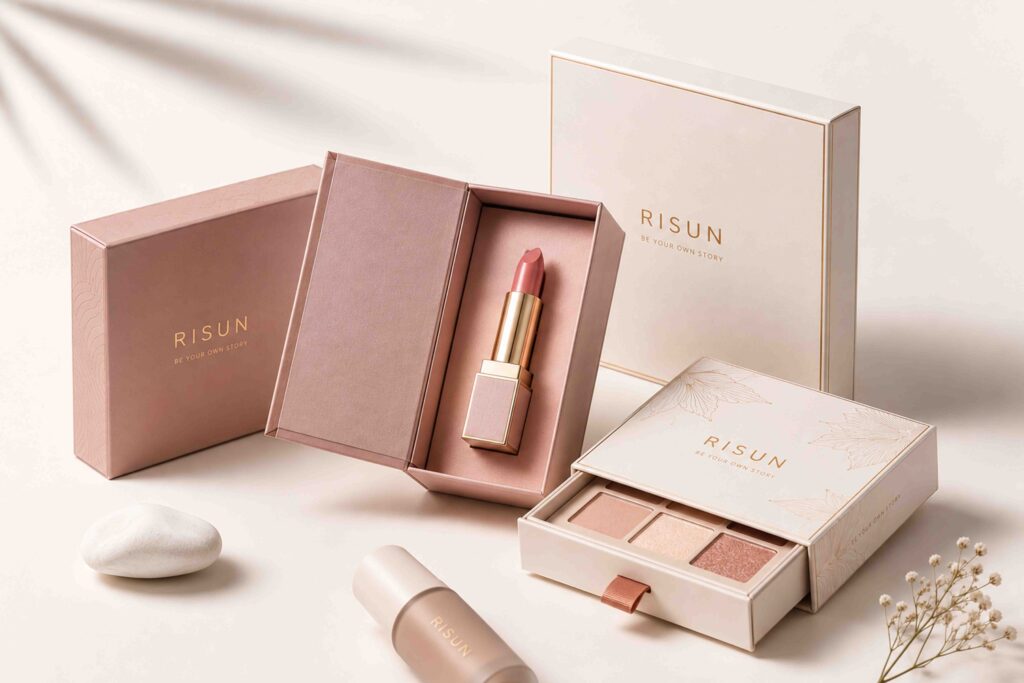
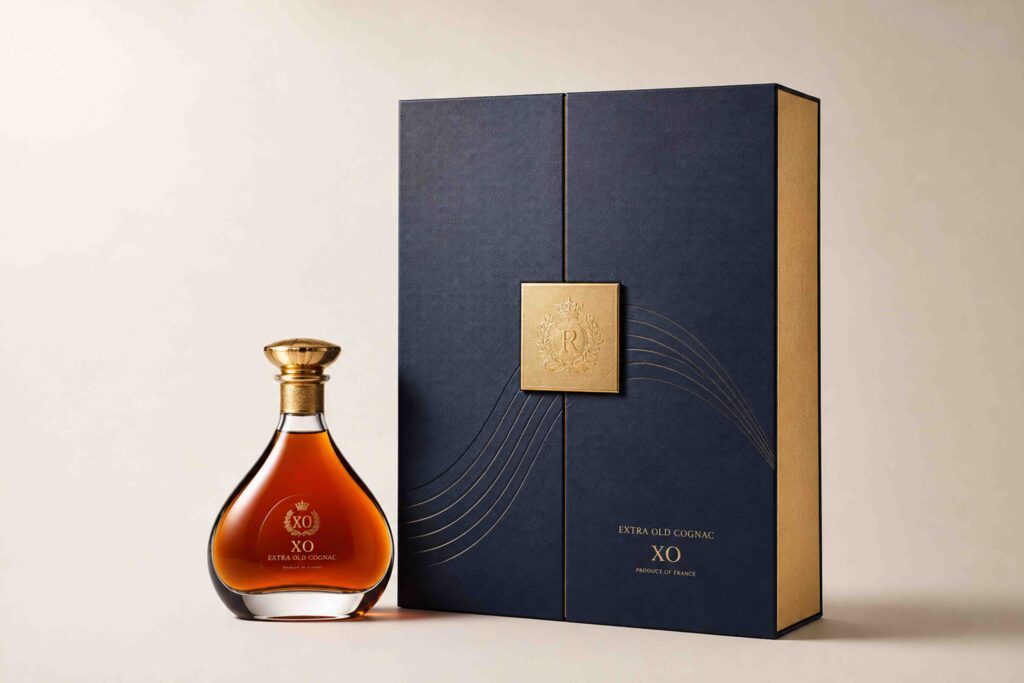
Gift boxes are all about the presentation. They typically use rigid structures with premium opening styles, like lift-off lids or book-style openings that create a sense of occasion. The engineering focus here is on creating a smooth, high-quality unboxing experience while still keeping the bottle secure within a custom-fit insert.
E-commerce presents the toughest challenge. Structures for parcel shipping must be crush-resistant mailers with integrated inserts designed to survive automated sorting systems and rough handling. Features like tamper-evident seals are also crucial. For high-end wines sold online, a common strategy is to use a two-part system: an aesthetic inner gift box protected by a rugged, plain outer shipper.
Sustainability and Regulatory Considerations
Modern structural design must also address sustainability. This involves optimizing structures to reduce weight and size, which minimizes material consumption and lowers shipping emissions. It’s a balancing act between using less material and maintaining the necessary protective performance.
Material choices are also driven by environmental impact. Incorporating recyclable materials, such as FSC-certified paper and board, is now standard practice. Designers also increasingly avoid plastic laminates and coatings that can contaminate the paper recycling stream, opting instead for water-based varnishes.
Finally, the structure must accommodate legally required information. The design needs to provide flat, unobstructed panel space for mandatory details like alcohol content, country of origin, and importer information. The box structure itself cannot obscure any required text on the primary bottle label, which is a key consideration for compliance and inspections.
Material Selection and Preparation
Choosing the right materials and preparing them correctly is non-negotiable. It’s the difference between a protected, compliant product and a supply chain failure waiting to happen.
Core Functional Requirements for Materials
Every material choice for a wine box must serve four distinct functions. If a material fails on any of these, it’s the wrong choice.
- Protection: The primary job is safeguarding the glass bottle. Materials must be specified to resist vertical compression from stacking, impacts during handling, and potential punctures during transit.
Protection and Presentation: The packaging should protect the bottle during transportation while maintaining a clean and premium appearance. Material selection, surface treatments, and structural design all influence the final packaging performance.
- Brand Presentation: The box is a physical touchpoint for your brand. High-quality printable surfaces like Solid Bleached Sulfate (SBS) or coated white boards are selected for premium branding, sharp graphics, and tactile finishes.
- Compliance: Every component must be food-grade for indirect contact. This includes the paperboard, inks, and adhesives, which all have to meet strict migration limits to ensure nothing taints the product.
Matching Materials to Wine Box Type
The box’s purpose dictates the material spec. A retail gift box and a bulk shipper have completely different jobs and require different engineering.
- Rigid Gift Boxes: For a luxury finish, we use high-density grey chipboard, typically 2.5–3.0 mm thick to support heavy bottles without sagging. This core is then laminated with specialty paper for branding.
- Folding Cartons: Retail cartons need stiffness and a good print surface. The standard is white cardboard or Solid Bleached Sulfate (SBS) board, often at a grammage of 350 g/m² or higher.
- Corrugated Shippers: E-commerce and distribution packaging relies on corrugated fiberboard for protection. We use B-flute for a good balance of strength and printability or double-wall board with high Edge Crush Test (ECT) values for maximum stacking strength.
- Wood Boxes: For premium collector’s editions, pine or spruce is common. The wood must be prepared with proper moisture control and finished with non-tainting varnishes or oils to avoid affecting the wine’s aroma.
Key Specification and Testing Parameters
Vague specs lead to inconsistent quality. We document precise parameters and validate performance with standardized tests to ensure every batch is identical.
- Board Properties: We document exact thickness (e.g., ±0.1 mm tolerance), grammage (gsm), density, and moisture content. This ensures consistent stiffness and dimensional stability.
- Surface and Adhesion: For reliable ink and adhesive bonding, we specify a surface energy between 38–42 dynes/cm. Adhesives, like food-grade PVA or hot-melt, are selected based on the substrate and application speed.
- Mechanical Testing: We verify stacking strength with compression tests. To simulate real-world shipping, prototypes are subjected to ISTA 3A or ASTM D4169 protocols, which include vibration and drop tests.
- Environmental Testing: Boxes undergo accelerated aging tests, such as being held at 40°C and 80% relative humidity for 72 hours. This checks for warping, delamination, and adhesive failure under tough warehouse conditions.
Regulatory Compliance and Sustainability
Meeting regulations isn’t optional, and sustainability is a core part of modern supply chain management. Material choices must align with both.
Material Safety Requirements: Packaging materials, inks, and adhesives should meet applicable safety requirements for their intended use. Responsible suppliers provide material documentation and quality certifications to support compliance.
- Material Restrictions: We avoid problematic plastics. For instance, PVC and PVdC are discouraged in many markets due to poor recyclability and environmental concerns.
- Sustainable Sourcing: To demonstrate responsible sourcing, we prioritize FSC or PEFC-certified boards and materials with high percentages of recycled content.
- Designing for Recyclability: Structures are designed so that fiber-based components can be easily separated from any plastic inserts. This helps create clean recycling streams and reduces waste.
Supplier Qualification and Material Validation
Trusting a supplier’s datasheet isn’t enough. We run a rigorous validation process to qualify both the material and the supplier before any large-scale production begins.
- Initial Sampling: We get material samples from potential suppliers 3–5 weeks before production. This gives us time for preliminary evaluation of color, texture, and basic properties.
- Pilot Production Runs: We conduct small-batch tests of 50–100 boxes on actual production equipment. This validates the material’s converting performance and final print quality before committing to a full run.
- Specification Documentation: Detailed spec sheets are created for every material. This prevents ambiguity with suppliers and ensures consistency for all future reorders.
- Approved Supplier Lists: We maintain a roster of qualified suppliers who have consistently met all our quality, safety, and regulatory requirements. This minimizes risk in the supply chain.
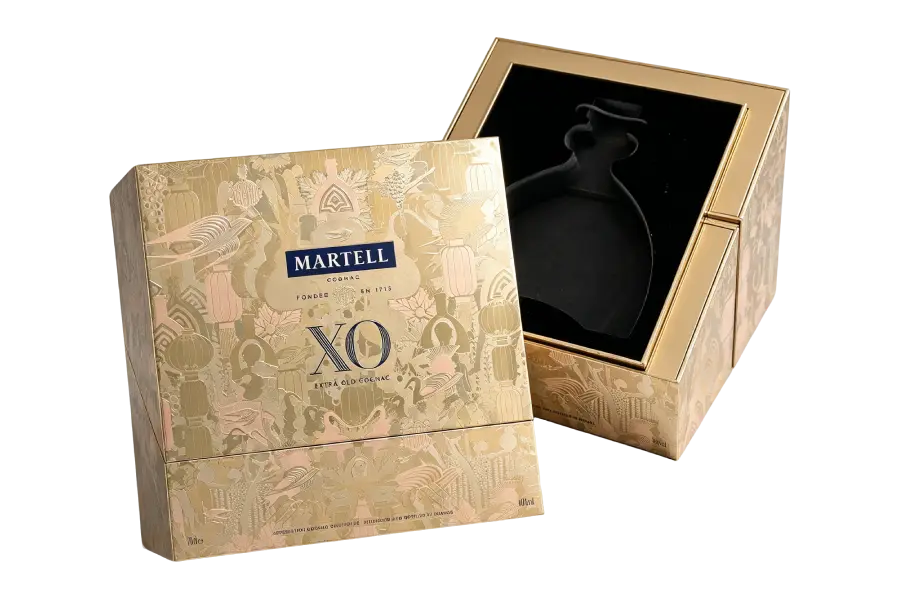
Engineered Packaging for Premium Spirits & Wine
Our custom wine box solutions combine structural design, premium printing, and automated production capabilities to help brands create packaging that balances protection, appearance, and production efficiency.
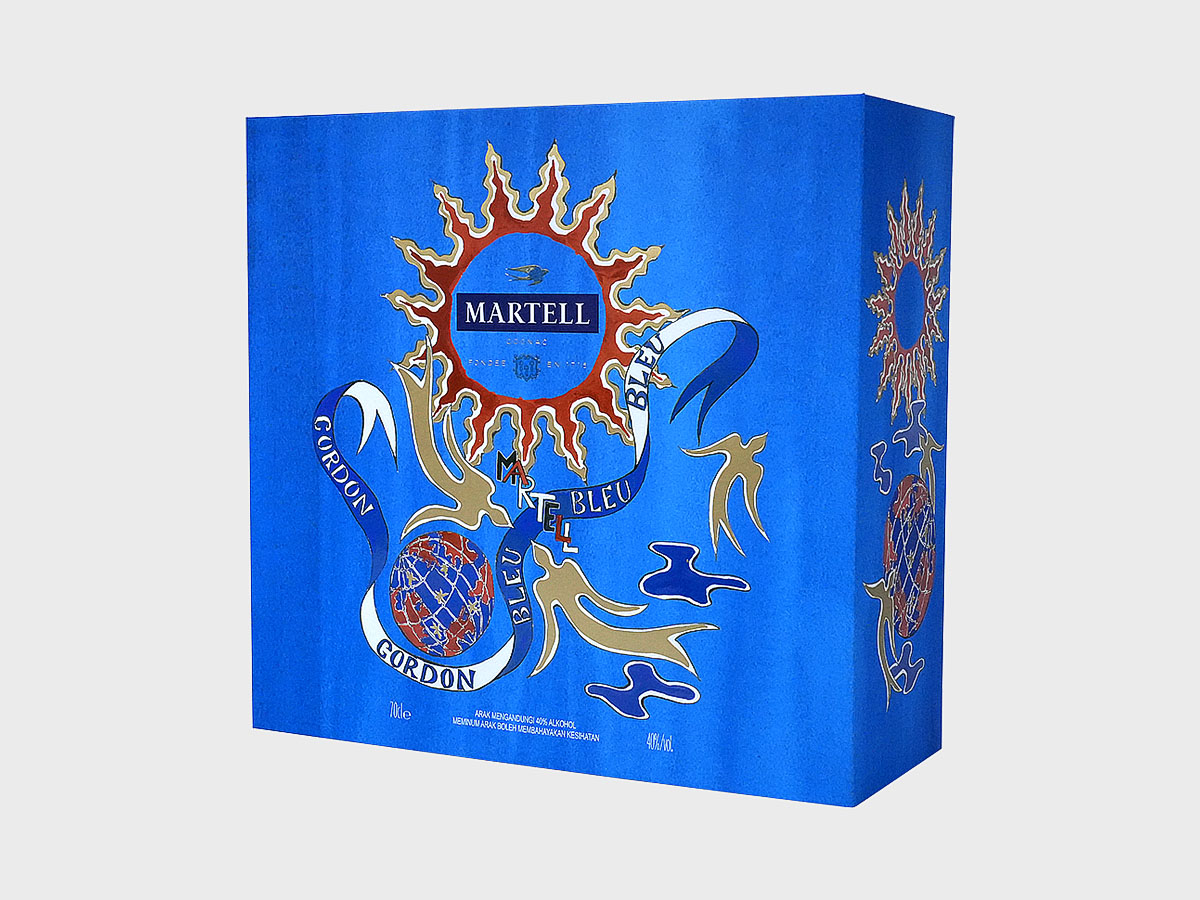
Printing Process for Wine Boxes
The printing process for wine boxes is a precise sequence of prep, printing, finishing, and cutting, where every step ensures structural integrity and brand accuracy.
Turning a flat sheet of cardboard into a premium wine box is a multi-stage process where one mistake can compromise the entire run. It’s not just about applying ink; it’s a sequence of carefully controlled steps designed to produce a package that is both structurally sound and visually perfect. Each phase, from preparing the raw material to the final quality check, builds on the last.
Pre-Press and Substrate Preparation
The process begins long before any ink is applied. First, the raw cardboard substrate is inspected to ensure it is perfectly flat and free of any bumps or irregularities. A non-flat surface is a recipe for blurry images and registration errors, where different color layers don’t align correctly.
The substrate is then thoroughly cleaned to remove dust, static, and any excess moisture. This step is critical because contaminants can cause ink to reject the surface, while moisture can lead to paper shrinkage or deformation during the heat of the printing and drying phases.
With the material prepped, the print layout is finalized. Full-color images and complex graphics are designated for CMYK (Cyan, Magenta, Yellow, Black) printing.
For brand logos and critical text, spot colors are reserved. Using a specific spot color ink ensures absolute color accuracy and consistency across different production runs, which is non-negotiable for brand identity.
Printing Method Selection and Execution
The choice of printing method depends on volume and quality requirements. Offset printing is the standard for large runs of premium cartons, delivering superior image quality and color consistency. For shorter runs, limited editions, or orders requiring customization like variable data, digital printing is the practical choice.
During the print run, operators monitor ink viscosity and drying speed closely. If ink is too thin or dries too slowly, it can smear; if it’s too thick, it can build up and crack. Each printed layer must dry completely before any subsequent processes begin, otherwise, you risk smudging, scratches, and adhesion problems with later finishes.
Applying Decorative Finishes
After the base printing is complete and dry, decorative finishes are applied to elevate the box’s appearance and perceived value. These are the details that create a tactile, premium experience.
- Hot foil stamping adds metallic logos, borders, and other reflective accents that catch the eye.
- Embossing and debossing create a three-dimensional effect by raising or recessing parts of the design, giving the packaging a tangible, luxurious feel.
- Spot UV or reverse varnish can be applied to highlight specific design elements, creating a sharp contrast between a high-gloss area and a matte background.
Die-Cutting and Creasing
Once all printing and finishing are done, the flat printed sheets are moved to the die-cutting station. Here, a custom-made tool, known as a die, performs two functions simultaneously: it cuts the box’s final outline and presses crease lines into the board where it needs to be folded.
The precision of this step is paramount. The die-cut tool must align perfectly with the printed graphics. If the alignment is off, even slightly, panels will be misaligned, logos might get cut off, and the final box may not close properly.
Final Assembly and Quality Control
In the final stage, the flat, die-cut pieces are folded along the crease lines and glued to form the three-dimensional box structure. A final quality control check is performed to verify print registration, color consistency, and proper construction.
This inspection ensures that the careful alignment between the print plates and the die lines was successful. Any misalignment would have resulted in assembly defects like loose lids, skewed panels, or a deformed box shape. Only boxes that pass this final inspection are cleared for shipment and use.
Surface Finishing and Decoration
Surface finishing isn’t just decoration. It combines visual and tactile effects to signal brand value while adding crucial durability for shipping and handling.
Laminations and Liquid Coatings
Applying a finish is a functional decision as much as an aesthetic one. The right coating or laminate protects the print, enhances the feel, and ensures the box looks as good on the shelf as it did coming off the production line.
- Gloss and matte lamination films are bonded directly to the paper. Gloss makes colors pop and provides excellent scuff resistance, while matte creates a subtle, premium look that minimizes fingerprints.
- Soft-touch lamination or coatings produce a distinct velvety or rubber-like texture. This tactile effect immediately signals a high-end product and is frequently used for luxury gift and presentation boxes.
- Aqueous varnishes offer a baseline level of protection against light scuffing at a lower cost. For high-durability needs, UV coatings provide superior hardness and abrasion resistance, making them ideal for boxes that will be handled frequently.
- Spot UV is a high-gloss coating applied selectively to specific areas, like a logo or graphic element. It creates a striking contrast against a matte background, drawing the eye and adding a layer of visual texture.
Foil, Embossing, and Textural Effects
These finishes add tactile and three-dimensional qualities to the packaging, moving beyond a simple printed surface. They are physical cues that communicate craftsmanship and a higher price point before the box is even opened.
- Foil stamping uses heat and pressure to apply metallic or pigmented foils, such as gold, silver, or copper. The metallic sheen is a classic signal of premium quality in the wine and spirits industry.
- Embossing raises design elements from the surface to add physical depth, creating a tangible effect you can feel. Debossing does the opposite, pressing elements into the paperboard for a more subtle and sophisticated impression.
- Textured wraps made from materials like linen, suede, or other specialty papers can serve as the primary finish. This is common for high-end rigid boxes where the material itself provides the dominant textural experience.
- Specialty coatings can be formulated to simulate textures like canvas or frosted glass. These finishes help reinforce specific brand narratives, whether artisanal, modern, or natural.
Finishing Based on Box Material
The choice of finish is directly tied to the underlying box structure and material. What works for a folding carton is different from what’s appropriate for a heavy rigid box or a wooden crate.
- Rigid Boxes: These premium packages often feature multi-layered finishes. A common combination for gift packaging is a soft-touch lamination paired with both foil stamping and a deep emboss to create a multi-sensory experience.
- Folding Cartons: Here, the goal is to balance cost with visual appeal. Folding cartons typically use an overall varnish for basic scuff protection, with selective foil or spot UV applied to key brand elements to make them stand out on the shelf.
- Wooden Boxes: Decoration on wood focuses on enhancing its natural character. Common methods include laser engraving, screen printing, or heat branding. The wood is then protected with clear lacquers, oils, or waxes that highlight the grain.
Interior and Sensory Enhancements
The unboxing experience is a critical part of the brand interaction, and interior finishes play a major role. What the customer sees and feels after opening the lid can significantly influence their perception of the product’s value.
- Velvet flocking is often applied to the interior of luxury boxes. This creates a soft, protective lining that cushions the bottle, prevents scratches, and adds a significant amount of perceived value.
- Printed interior liners or solid colored coatings create a brand-focused experience. This space can be used for storytelling elements, surprise design patterns, or simply a contrasting color that makes the bottle stand out.
- The thoughtful combination of visual and tactile interior finishes is what elevates a simple container into a gift. This combination of visual and tactile elements enhances the overall presentation of wine packaging and helps brands create a more premium product experience.
Quality and Performance Requirements
Beyond looking good, finishes must perform. They are the first line of defense against damage during shipping, stocking, and customer handling. These requirements are not optional; they are essential for protecting brand integrity.
- Finishes undergo scuff and abrasion resistance testing. This ensures they can withstand carton-to-carton rubbing during shipping and repeated handling in a retail environment without showing wear.
- Adhesion tests confirm that laminations, coatings, and foils will not peel, flake, or crack. This is especially important at fold lines and corners, where the material is under the most stress.
- In some cases, finishes must provide chemical resistance. This is particularly true in hospitality settings, where a box might come into incidental contact with wine, spirits, or cleaning agents.
Die Cutting and Box Assembly
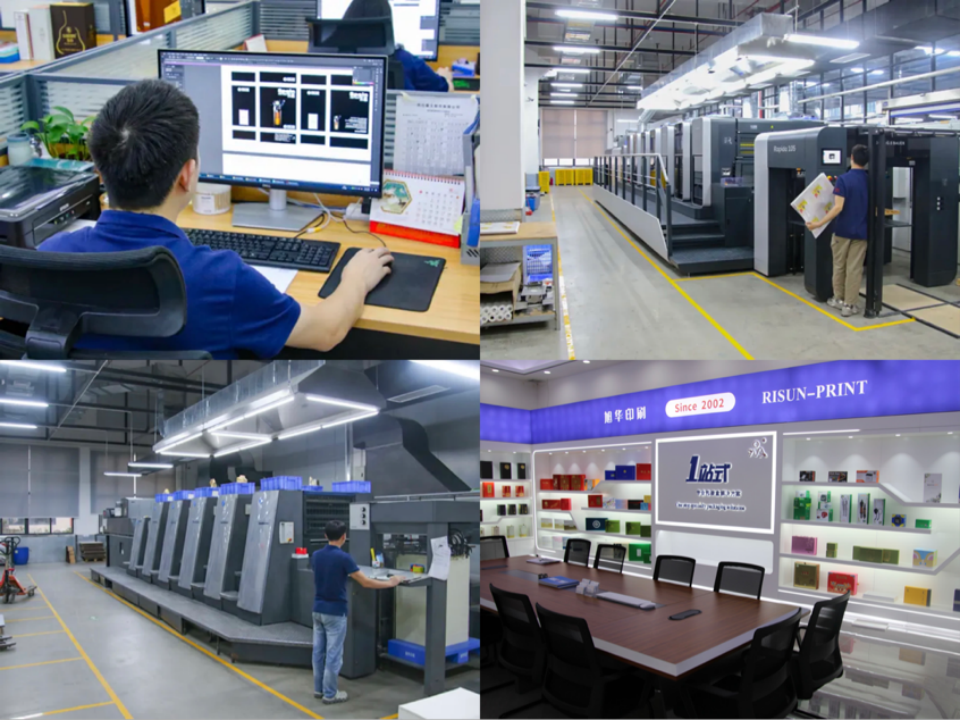
Die cutting and assembly are the mechanical steps that transform a flat printed sheet into a functional 3D wine box, defining its shape, folds, and protective features.
The Role of Die Cutting in Shaping Wine Boxes
After printing and lamination, the next step is die cutting. This process uses a custom steel-rule die to cut the printed paperboard or corrugated board into its final flat shape, known as a blank. It creates every essential structural element, from the box outline and flaps to locking tabs, display windows, and handles.
The die also forms precise crease and score lines, which dictate exactly where the box will fold during assembly. This stage effectively transforms a flat sheet into the blueprint for a three-dimensional design.
Key Die-Cut Features for Wine Box Functionality
Die cutting is responsible for the critical components that make a wine box work. Internal inserts and partitions are die cut to immobilize bottles, provide cushioning, and prevent glass-on-glass contact during shipping.
For Bag-in-Box (BIB) packaging, the die cutter creates perforated panels that allow clean access to the tap without weakening the box. Aesthetic features like custom windows to reveal the label or unique handles to improve the customer experience are also formed here.
Finally, precisely cut locking tabs and tuck-in tongues ensure the box closes securely and maintains its intended shape.
From Flat Blank to Finished Box: The Assembly Process
Assembly is where the die-cut blank becomes a finished box. For complex, low-volume gift boxes, this is often a manual process involving pre-folding creases, gluing side seams, and placing inserts by hand.
High-volume production relies on automated machinery like case erectors, which demand die cuts with very tight tolerances to prevent jams. In both methods, adhesives are the primary way to create strong, permanent bonds on side seams and auto-bottom structures, ensuring the box holds together under the weight of the wine.
Ensuring Precision: Quality Control for Die Cutting and Assembly
Quality control is vital for both die cutting and assembly. Die-cut blanks are inspected for dimensional accuracy, with tolerances for folding cartons often as tight as ±0.5 mm to guarantee a perfect fit. Workmanship checks verify that cuts are clean, waste material is fully removed, and score lines allow for crisp folds without cracking the board.
Once assembled, boxes are checked for squareness, proper flap closure, and secure glue joints with no excess adhesive. The final structure must pass performance tests for stacking strength and transport durability to prove it can protect the wine all the way to the customer.
Quality Inspection Before Delivery
Pre-delivery checks verify wine stability, packaging integrity, and logistics readiness. This protects the product and brand from the winery to the customer, preventing spoilage and shipping damage.
| Product Quality Checks (Wine) | Packaging Integrity Inspection | Spoilage Indicators and Rejection Criteria | Warehouse and Pre-Dispatch Checks |
|---|---|---|---|
|
|
|
|
Frequently Asked Questions
How are wine boxes made?
Wine boxes are created through a process of design, material selection (cardboard, corrugated board, or wood), printing, finishing, and assembly. The exact method depends on the type, whether it’s a folding carton for retail, a corrugated shipper for transport, or a luxury wooden box for gifting.
What materials are used in wine box production?
Common materials include corrugated cardboard for shipping and retail boxes, and rigid paperboard for premium gift boxes. Wooden boxes often use pine or oak. For bag-in-box formats, the packaging combines a corrugated outer box with a multi-layer plastic inner bladder and a plastic tap.
Can manufacturers create custom wine box structures?
Yes, manufacturers regularly create custom wine box structures. This can include unique shapes, bottle-specific inserts, multi-bottle configurations, and special closures like magnetic flaps. Customization is a standard part of the industry to meet branding and protection requirements.
What is the typical MOQ for wine boxes?
The Minimum Order Quantity (MOQ) varies by supplier and box type. For custom paper or rigid boxes, it’s often around 500 units. Custom wooden boxes may have a higher MOQ, typically starting at 1,000 units. Simpler stock items may be available in lower quantities.
How long does wine box production take?
The manufacturing of the box itself is relatively fast, often taking 1–5 days for a production run. The total timeline from grape harvest to a finished boxed wine, however, is much longer—typically several months to over a year—as it is dictated by the wine’s fermentation and aging process.
What printing processes are used for wine boxes?
The most common methods are offset printing for high-quality, large-volume orders; digital printing for short runs and customization; and flexography for high-speed production, especially on corrugated materials. The choice depends on the desired quality, quantity, and budget.
What quality checks are performed on wine boxes?
Quality checks are comprehensive, covering wine stability (oxygen levels), packaging integrity (leak tests for bags and taps), structural performance (bottle fit, drop tests), and visual appearance (print accuracy, finish quality). For bag-in-box wines, checks for spoilage indicators like bulging are also performed.
How should I evaluate a wine box manufacturer?
Evaluate manufacturers on their specialization in wine packaging, structural engineering capabilities, material and sustainability certifications (like FSC), and production capacity. Always request physical samples to verify bottle fit and inspect their quality control processes, lead times, and MOQs.
Final Thoughts
The wine box manufacturing process is complex, and any shortcut invites risk. While generic suppliers may offer lower upfront costs, they transfer the risk of shipping damage, compliance failure, and brand erosion directly to you. Adhering to the technical standards for materials, printing, and assembly is the only way to protect your product from the winery to the customer.
Choosing the right packaging partner requires evaluating design capabilities, production technology, quality control processes, and customization experience. Contact our team to discuss your wine box requirements and explore suitable packaging solutions.