Sustainable molded pulp packaging inserts offer brands an alternative to plastic and foam, but material substitution alone does not guarantee reliable product protection or lower environmental impact. For packaging buyers and product developers, the challenge is to balance cushioning performance, structural strength, manufacturing feasibility, and sustainability requirements without increasing shipping damage or packaging costs.
This guide explains how fiber selection, insert geometry, compression strength, and molding processes affect packaging performance. It also covers product-fit requirements, material specifications, and performance testing to help brands evaluate supplier capabilities, establish clear technical requirements, and develop custom molded pulp inserts that protect products while supporting measurable plastic reduction goals.
What Makes Molded Pulp Inserts a Sustainable Packaging Option?
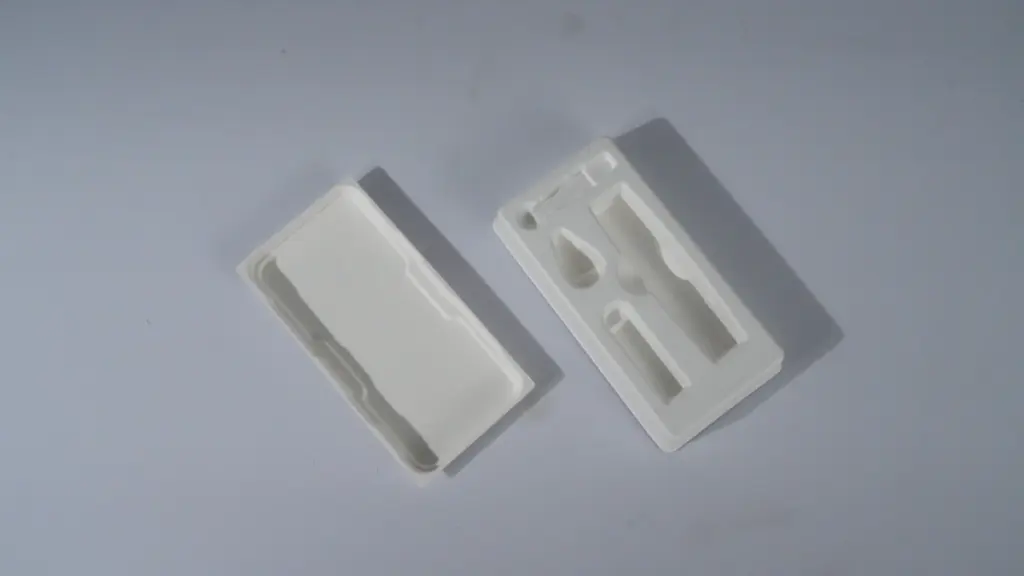
Molded pulp inserts support sustainable packaging through responsible fiber sourcing, reduced plastic use, and recyclable material options.
Renewable and Recycled Fiber Sources
Molded pulp inserts commonly use recycled paper, cardboard, and agricultural fibers such as sugarcane bagasse and wheat straw. These materials help recover existing resources, reduce demand for virgin raw materials, and make use of plant-based residues that might otherwise go to waste.
However, recycled or renewable content alone does not guarantee a low environmental impact. Fiber processing, transportation, and energy consumption also affect the overall footprint. Brands should review suppliers’ material specifications and recycled content claims rather than rely solely on general descriptions such as natural or plant-based.
Reducing Plastic Use and Packaging Waste
Molded pulp inserts can replace conventional plastic components, including expanded polystyrene (EPS) foam, PET trays, and PS inserts. Their molded structures provide product positioning and cushioning while reducing reliance on petroleum-based packaging materials.
The actual environmental benefits depend on the replacement design. Brands should consider several factors:
- Material Consumption: Compare the weight and volume of molded pulp with the original plastic or foam insert.
- Protection Performance: Ensure the replacement provides adequate cushioning and compression resistance to prevent shipping damage.
- Additional Packaging: Check whether extra protective materials are needed to maintain product safety.
- Transportation Impact: Evaluate how packaging weight and dimensions affect shipping efficiency.
A suitable replacement should reduce plastic use without increasing material consumption or product damage.
Recyclability and End-of-Life Considerations
Uncoated molded pulp inserts made from paper-based fibers can generally enter paper recycling streams, depending on local facilities. However, waterproof coatings, adhesives, and other additives may affect recyclability. Compostability also depends on the finished material and the conditions required for decomposition.
Brands should confirm the insert’s full material composition and request relevant environmental test results before making recycling or compostability claims. This is particularly important for products sold across markets with different waste collection and disposal systems.
For more details on material sourcing, production practices, and environmental certifications, explore Risun’s sustainable packaging solutions.
What Materials Can Be Used for Molded Pulp Inserts?
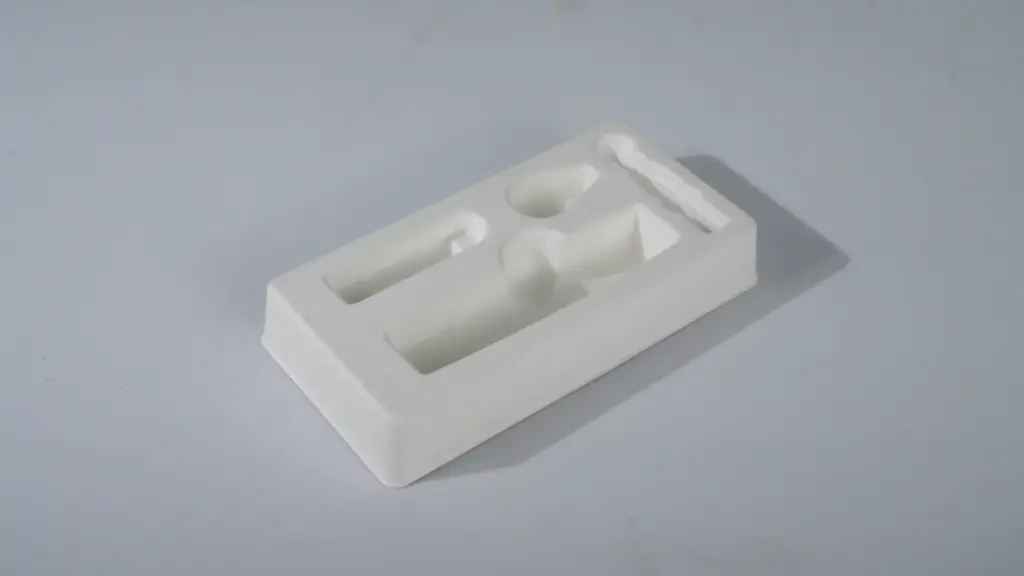
Molded pulp inserts use different fiber types to meet specific requirements for product protection, surface quality, production cost, and packaging appearance.
Recycled Paper and Cardboard Fibers
Recycled paper and cardboard are common raw materials for molded pulp inserts. Old corrugated containers (OCC), newspapers (ONP), and mixed paper provide recovered fibers for protective packaging. However, their fiber characteristics differ and influence the structure of the finished insert.
OCC contains relatively long fibers that help create a firm structure with good strength, making it suitable for inserts that support heavier products. Newspaper fibers are generally shorter and softer, which can produce a finer cushioning structure but may offer less structural strength. Mixed paper combines different fiber types, so its performance and surface appearance can vary depending on the material composition.
Virgin Wood Pulp and Agricultural Fibers
Virgin wood pulp provides fresh fibers with more consistent characteristics than many recycled paper sources. It can produce molded pulp inserts with a smoother surface, cleaner appearance, and more uniform color. These qualities make it suitable for premium packaging, electronics, cosmetics, and products that require a refined presentation.
Agricultural fibers offer another material option. Sugarcane bagasse, bamboo, and wheat straw can be processed into pulp for molded packaging. Their fiber length, flexibility, and strength vary by source and processing method. Manufacturers can use these materials to develop inserts with different structural and visual properties, although not every fiber type suits every product or molding process.
How Fiber Selection Affects Strength and Surface Finish
Fiber selection directly influences the mechanical properties and appearance of molded pulp inserts. Longer fibers generally provide better bonding and structural support, while shorter fibers can create a finer surface texture. However, the final performance also depends on fiber preparation, pulp concentration, molding methods, and product design.
Brands should consider the following factors when specifying materials:
- Structural Strength: Fiber characteristics and bonding affect the insert’s ability to support product weight and resist compression.
- Surface Quality: Fiber size and consistency influence texture, color uniformity, and the visibility of surface imperfections.
- Cushioning Performance: Fiber arrangement and molded structure affect how the insert absorbs impact and protects fragile products.
- Appearance Requirements: Natural fiber colors and surface finishes should match the intended packaging presentation.
The material specification should reflect both functional and visual requirements. A heavy product may need a stronger fiber structure, while premium retail packaging may place greater emphasis on surface consistency and finish.
Custom Molded Pulp Inserts for Your Packaging Needs
How Do Molded Pulp Inserts Protect Products During Shipping?
Product protection depends on how molded pulp inserts secure items, absorb external forces, and maintain structural stability throughout transportation.
Custom-Fit Cavities and Product Positioning
Molded pulp inserts use product-specific cavities to hold items in fixed positions inside the outer box. Manufacturers develop these cavities around product dimensions, shape, and weight, reducing unwanted movement during handling and transportation.
A well-fitted cavity supports the product at suitable contact points without placing excessive pressure on fragile areas. For example, bottle inserts can support the base and body while leaving space around the neck, while electronics packaging can use shaped compartments to separate components and prevent direct contact. This design also reduces the risk of products shifting, scratching, or colliding inside the package.
Shock Absorption and Compression Resistance
During transportation, packages may experience sudden impacts, repeated vibrations, and pressure from stacked cartons. Molded pulp inserts help manage these forces through their molded structure and controlled deformation.
- Shock Absorption: The fiber structure compresses under impact, helping absorb energy and reduce the force transferred to the product.
- Vibration Control: A secure fit limits product movement and reduces repeated contact between the item and the outer box.
- Compression Resistance: The insert’s thickness, shape, and support structure help it maintain its form under stacking pressure.
The level of protection depends on material properties, insert geometry, and product weight. Brands should evaluate the finished packaging through appropriate drop, vibration, and compression tests rather than rely on material descriptions alone.
Structural Reinforcement for Fragile Products
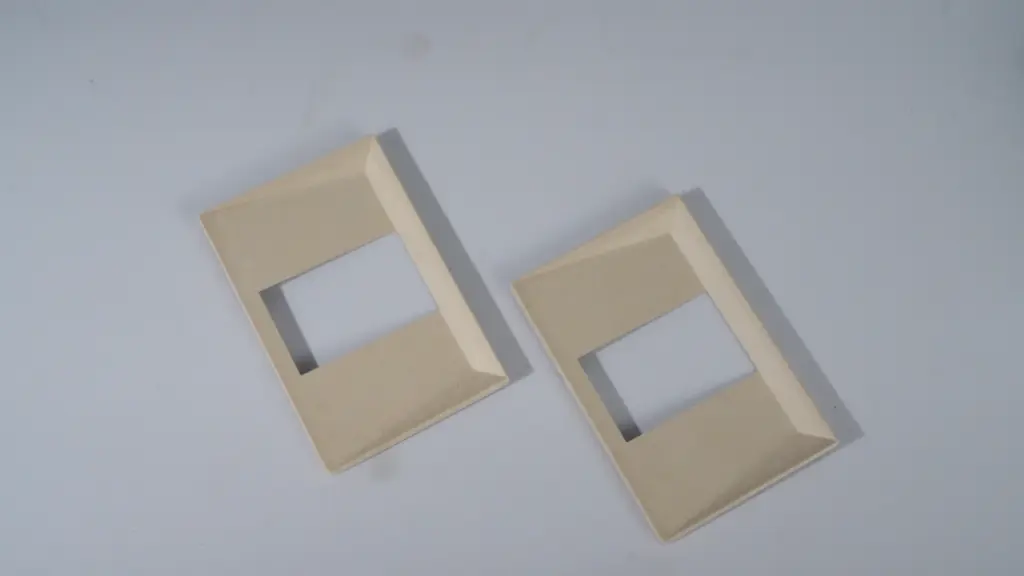
Fragile products often require additional support at specific points. Molded pulp inserts can incorporate reinforced corners, support ribs, raised platforms, and surrounding walls to distribute external forces across a wider area.
For glass bottles, reinforced base supports help reduce direct impact on the bottom, while shaped sidewalls limit movement during transport. Electronics and other delicate products may require separate compartments and carefully positioned support points to prevent pressure on sensitive components.
These structural features also help the insert maintain its shape during handling and stacking. Their placement should reflect the product’s weight distribution and vulnerable areas, ensuring that the packaging provides support without creating unnecessary pressure.
How Are Custom Molded Pulp Inserts Designed and Manufactured?
Custom molded pulp inserts require coordinated product measurements, mold design, and forming processes to achieve the required fit, appearance, and production consistency.
Product Dimensions and Cavity Engineering
Custom insert development starts with accurate product data. Manufacturers typically use 3D drawings, CAD files, or physical samples to determine the insert’s internal dimensions and cavity layout. Product weight, shape, and assembly requirements also influence the mold design.
The cavity must provide enough clearance for easy product placement while maintaining a secure fit inside the outer box. Designers also consider finger notches, removal openings, and compartment spacing to improve packing efficiency and the end-user experience. For multi-component products, each cavity needs to match the dimensions and position of its corresponding item.
Wall Thickness, Draft Angles, and Structural Features
Several design parameters affect mold release, dimensional accuracy, and the finished insert’s strength. Manufacturers adjust these details according to product weight, mold geometry, and production requirements.
- Wall Thickness: Commonly ranges from 1–4 mm, depending on the required support, product weight, and forming process.
- Draft Angles: Angles of approximately 5–8° can help the finished insert release from the mold more easily and reduce the risk of tearing.
- Corner Radii: Rounded corners, often starting at 3–5 mm, help avoid thin areas and improve material distribution during forming.
- Structural Features: Ribs, raised platforms, and reinforced edges can improve rigidity without adding material across the entire insert.
These dimensions serve as initial design references rather than fixed specifications. Manufacturers need to refine them through mold development and sample evaluation to ensure consistent forming and product fit.
Wet-Pressed vs. Dry-Pressed Molded Pulp
Wet-pressed and dry-pressed molding differ in surface finish, dimensional accuracy, and production requirements. Their characteristics influence the appearance, cost, and application of the finished inserts.
| Comparison Factor | Wet-Pressed Molded Pulp | Dry-Pressed Molded Pulp |
|---|---|---|
| Surface Finish | Smoother surface with finer details and a more refined appearance. | Rougher, more textured surface with a natural fiber appearance. |
| Dimensional Accuracy | Generally supports finer details and tighter dimensional control. | Generally offers less detail and dimensional precision. |
| Material Structure | Typically denser with a more compact surface. | Typically has a more porous, textured structure. |
| Common Applications | Premium retail packaging, cosmetics, electronics, and presentation inserts. | Protective packaging, industrial components, and general shipping inserts. |
| Production Considerations | Additional pressing and drying steps; often involves higher processing costs. | Often involves a simpler forming process and can be more economical for certain applications. |
Wet-pressed molding is suitable for packaging that requires a smoother finish, finer details, and a more refined presentation. Dry-pressed molding offers a practical option for protective inserts where structural support and production cost take priority. Brands should compare physical samples and confirm dimensional requirements before approving the manufacturing process.
Integrating Inserts With Custom Paper Boxes
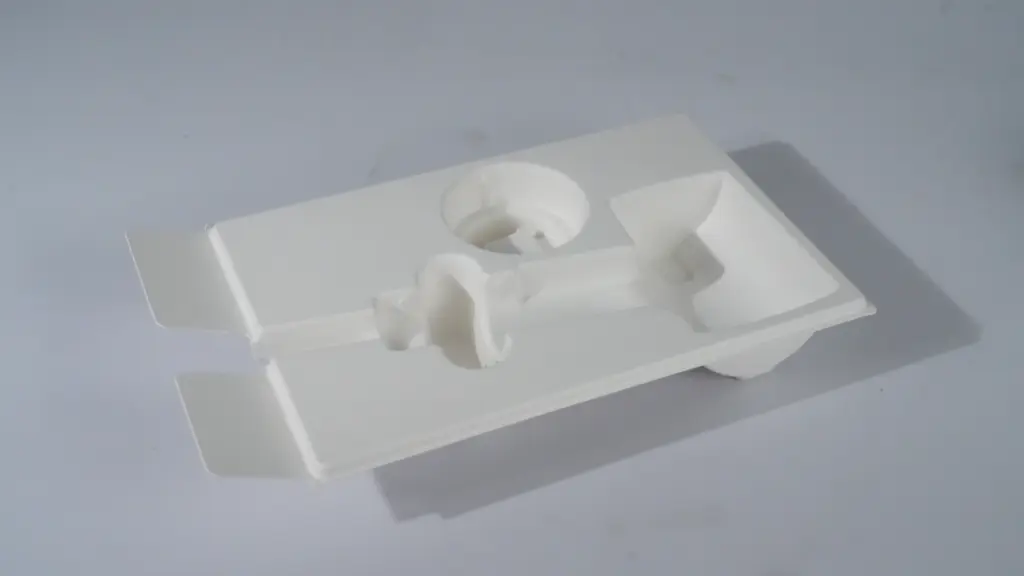
Molded pulp inserts must match the internal dimensions and structure of custom paper boxes. Proper sizing helps prevent unwanted movement, excessive gaps, and pressure during transportation. Manufacturers should also consider how the insert fits into the box and how easily products can be loaded and removed.
The insert’s color, surface finish, and structure can be coordinated with the outer box to create consistent product presentation. Brands should evaluate the complete packaging assembly through physical samples before mass production to confirm fit and usability.
Brands developing complete packaging solutions can explore Risun’s custom paper packaging services for coordinated molded pulp inserts and outer box designs.
What Should Brands Consider When Switching to Molded Pulp Inserts?
A transition to molded pulp inserts involves more than replacing plastic or foam materials. Brands need to assess product requirements, packaging compatibility, production costs, and supplier capabilities.
Product Protection and Packaging Compatibility
The new insert must protect the product as effectively as the existing packaging. Check its fit with the product and outer box, as well as its compatibility with current packing, storage, and shipping processes. Any changes to carton dimensions or assembly methods should also be considered.
Material Specifications and Sustainability Targets
Define material requirements based on product weight, protection needs, appearance, and environmental goals. Specify recycled or virgin fiber content, surface finish, and any coating requirements. Brands should also confirm whether the selected material supports their recycling or composting targets.
Tooling Costs, Production Requirements, and Lead Times
Custom molds involve upfront tooling costs, which vary with insert complexity and production requirements. Brands should consider mold development, sample approval, minimum order quantities, production capacity, and lead times when estimating total project costs.
Supplier Capabilities and Quality Control
Evaluate whether the supplier can support custom mold design, material selection, sample development, and stable mass production. Ask about dimensional inspections, material consistency checks, production capacity, and quality documentation. These factors help determine whether the supplier can meet both initial specifications and ongoing order requirements.
Final Thoughts
Molded pulp inserts offer brands a practical way to reduce plastic packaging while maintaining product protection and presentation. However, material selection, insert design, molding processes, and compatibility with outer packaging all affect the final result. Brands should define their product and sustainability requirements before development and evaluate samples to confirm fit and performance.
Risun Packaging provides custom molded pulp inserts and paper packaging solutions for different product and industry requirements. Contact our team to discuss your packaging specifications and develop an insert that fits your products and packaging goals.
Frequently Asked Questions
What are sustainable molded pulp inserts?
Sustainable molded pulp inserts are custom-shaped interior packaging components engineered to hold and protect products inside a box. Made from recycled paper or renewable plant fibers like sugarcane and bamboo, they serve as a biodegradable and recyclable alternative to plastic foams and trays.
Are molded pulp inserts environmentally friendly?
Yes, they are an environmentally friendly option. Molded pulp is made from renewable or recycled materials, is typically biodegradable and compostable, and can be recycled with paper waste. Compared to petroleum-based plastics, it has a lower carbon footprint and avoids creating microplastic pollution.
What is molded pulp made from?
Molded pulp is primarily made from a slurry of water and fibrous material. The most common source is recycled paper, cardboard, and newsprint. It is also produced from renewable plant-based fibers like sugarcane (bagasse), bamboo, and wheat straw.
Can molded pulp replace plastic packaging inserts?
Yes, molded pulp can replace plastic inserts in many applications, especially for protective packaging. It often provides comparable or better cushioning against shock and vibration than plastic foams like EPS (Styrofoam). It is less suitable for applications requiring transparency or prolonged water resistance.
Can molded pulp packaging be customized?
Yes, molded pulp inserts are highly customizable. The shape and cavities can be tailored to your product’s exact dimensions. You can also customize the material, color, and texture, and add branding elements like embossed logos to create a unique unboxing experience.
How do molded pulp inserts protect products?
Molded pulp inserts protect products by absorbing shock from drops, securing the product in custom-fit cavities to prevent damage from vibration, and distributing pressure from stacking away from the product. Their engineered structure acts as a protective cradle throughout shipping and handling.