Packaging inserts play an important role in product packaging. They do more than simply hold products in place. The right insert helps protect items during storage and transportation while improving product presentation and the overall unboxing experience.
Today, several materials are commonly used for packaging inserts, including flocked blister trays, standard plastic blister trays, EPE foam, EVA foam, and molded pulp. Each material offers different characteristics in terms of cushioning, appearance, customization, and environmental considerations.
So, what makes these materials different, and which one is the right choice for your product? This guide compares five common packaging insert materials to help brands make a more informed decision.
1. Flocked Blister Inserts: A Premium Look and Soft Surface
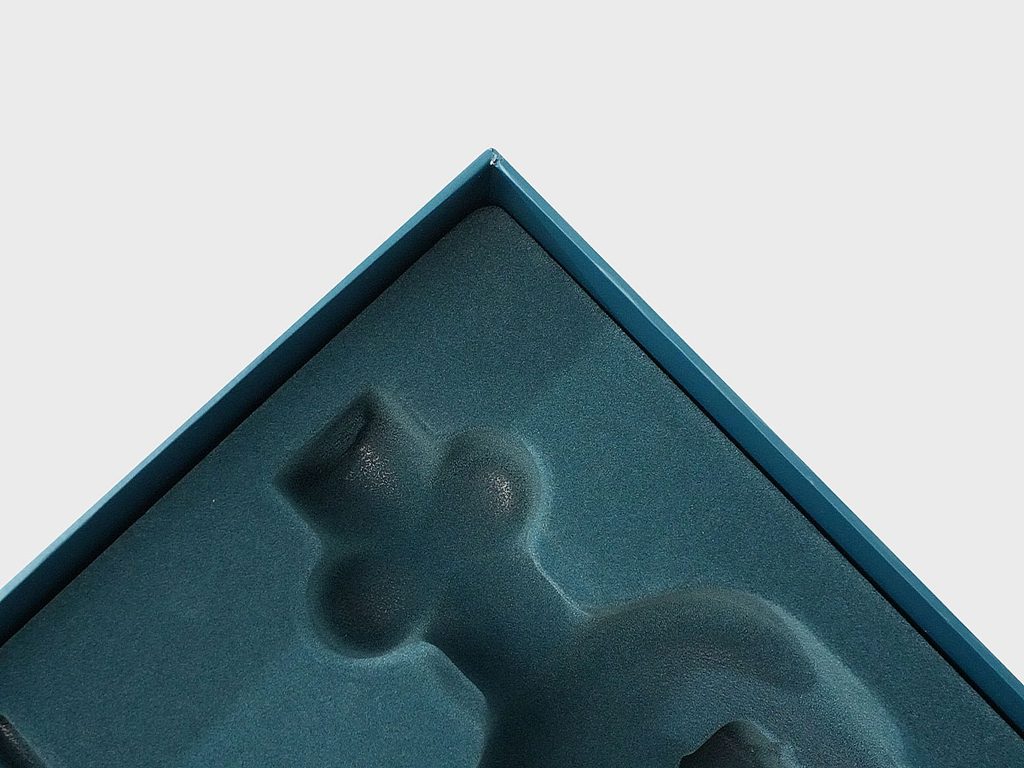
Flocked blister inserts are generally made from molded plastic sheets with a soft flocked coating applied to the surface. This additional layer creates a smooth, velvet-like texture and gives the insert a more refined appearance.
Compared with standard blister trays, flocked inserts offer a softer surface that can help reduce direct contact between the product and the harder plastic base. They are often used in packaging where product presentation is especially important.
Key Features:
- Soft, velvet-like surface for a more premium appearance.
- Custom-shaped compartments designed to fit specific products.
- Helps reduce surface friction between products and the insert.
- Commonly used for jewelry, watches, perfumes, wine, and luxury gift packaging.
Considerations:
Flocked blister inserts usually combine a plastic base with a separate flocking layer. This multi-material construction may make recycling more complicated because different materials can require separation before processing.
For brands focusing on recyclable packaging, the material composition and local recycling options should be considered.
2. Blister Inserts: Lightweight and Flexible in Design
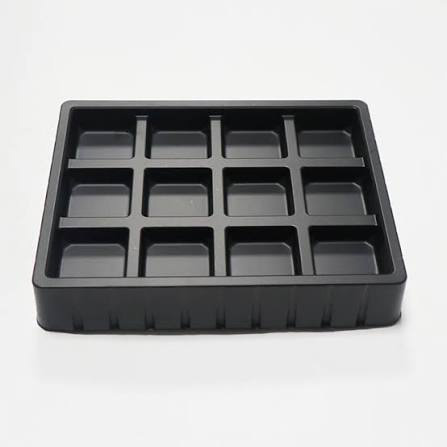
Standard blister inserts are commonly made from plastic materials such as PET, PVC, or PS. Through a heating and molding process, plastic sheets are shaped into compartments that match the dimensions and contours of different products.
Their lightweight structure and flexible molding capabilities make them a common choice for various packaging applications.
Key Features:
- Customizable compartments for different product shapes and sizes.
- Lightweight construction that adds little weight to the overall package.
- Transparent options allow products to be displayed directly.
- Suitable for cosmetics, electronic accessories, toys, and everyday consumer products.
Considerations:
The recyclability of blister inserts depends on the specific plastic material, product structure, and available recycling infrastructure. Some single-material plastic trays may be recyclable, while mixed-material or composite structures can be more difficult to process.
Plastic inserts also generally need to be separated from paperboard packaging during waste sorting.
3. EPE Foam Inserts: Cushioning and Shock Protection
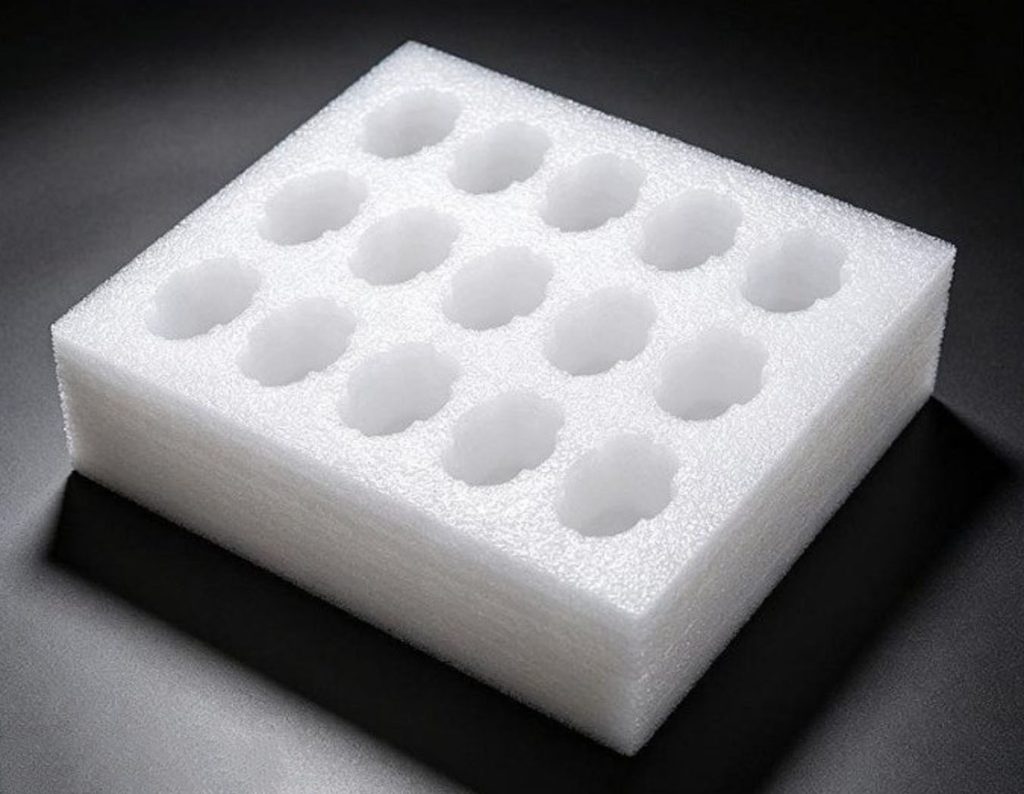
EPE, also known as expanded polyethylene or pearl cotton, is a lightweight foam material widely used for protective packaging. Its soft and flexible structure helps absorb external impacts and reduce the risk of product damage during transportation.
EPE foam inserts are usually manufactured through cutting and assembling processes to create compartments that accommodate different products.
Key Features:
- Good cushioning and shock-absorbing properties.
- Lightweight material that helps reduce overall packaging weight.
- Can be cut and assembled into different shapes.
- Commonly used for electronics, small appliances, glass products, and industrial components.
Considerations:
EPE is a type of expanded plastic material, so its recycling generally depends on suitable plastic collection and processing facilities.
Its low density and relatively large volume may also create additional challenges during collection, storage, and transportation.
For brands looking to move toward paper-based packaging materials, EPE may not fully meet their material transition goals.
4. EVA Foam Inserts: Flexible Structure and a Precise Fit
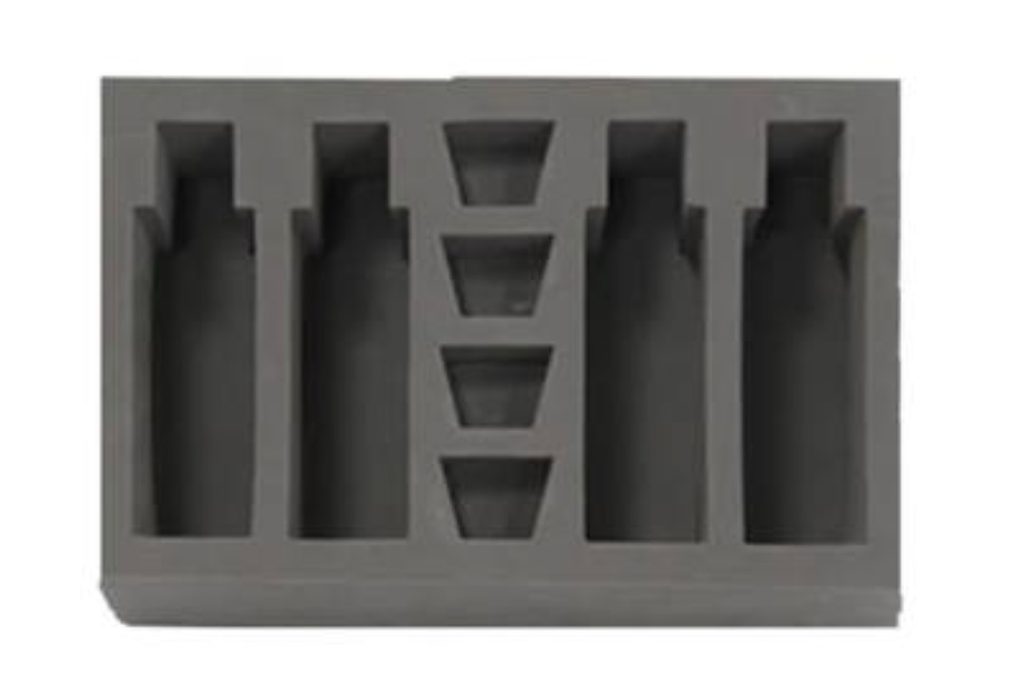
EVA is a flexible polymer foam material known for its elasticity and cushioning properties. It can be cut, molded, or engraved into custom compartments that closely match product shapes.
Its combination of flexibility and structural stability makes EVA a popular option for packaging products that require a secure fit and reliable support.
Key Features:
- Good flexibility and elasticity.
- Custom-cut compartments for different product contours.
- Provides cushioning and support for packaged items.
- Commonly used for electronics, precision instruments, jewelry, wine, and premium gift packaging.
Considerations:
EVA is a synthetic polymer foam, and its recycling depends on specialized processing methods and suitable collection channels. Different formulations, coatings, and composite structures can also affect its recyclability.
Brands seeking alternatives to conventional foam packaging may consider paper-based options such as molded pulp inserts.
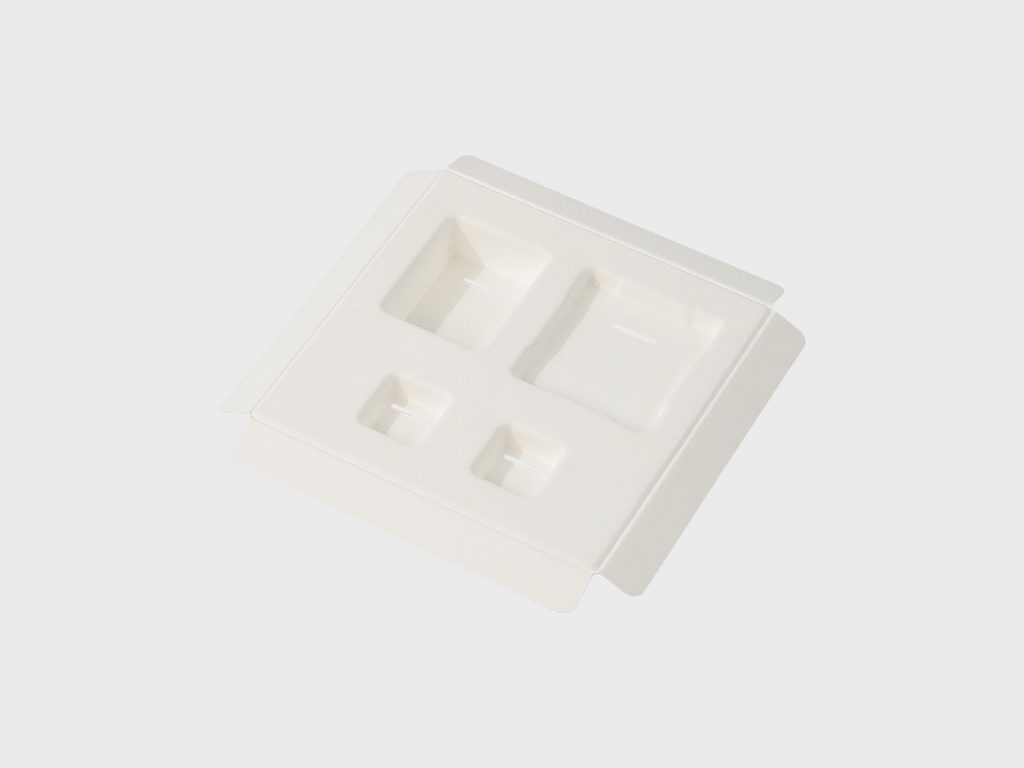
5. Molded Pulp Inserts: A Paper-Based Solution for Sustainable Packaging
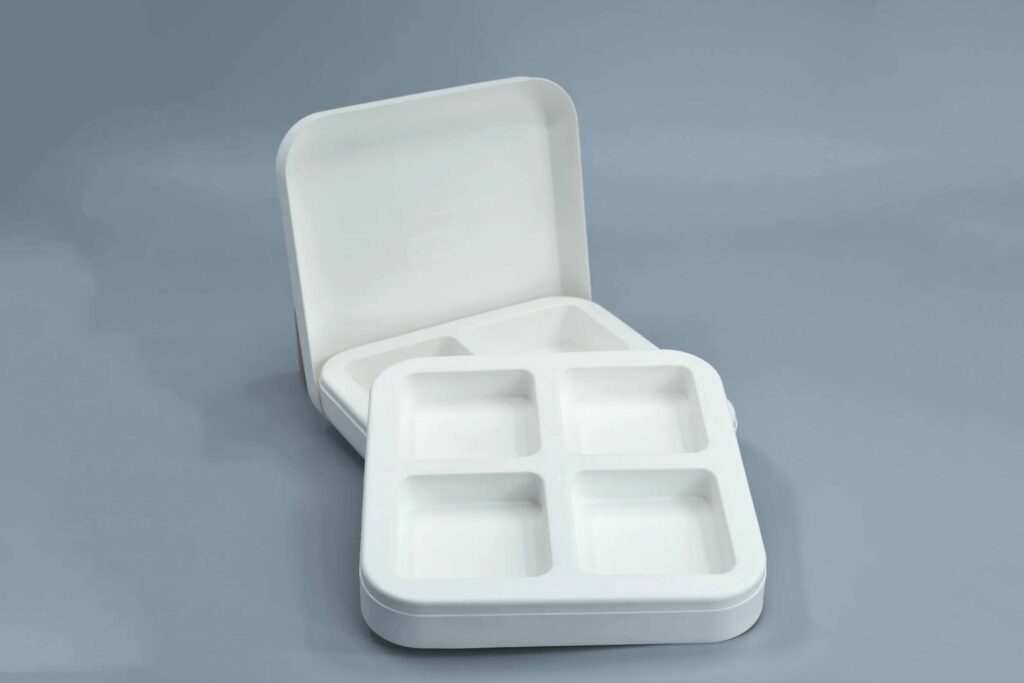
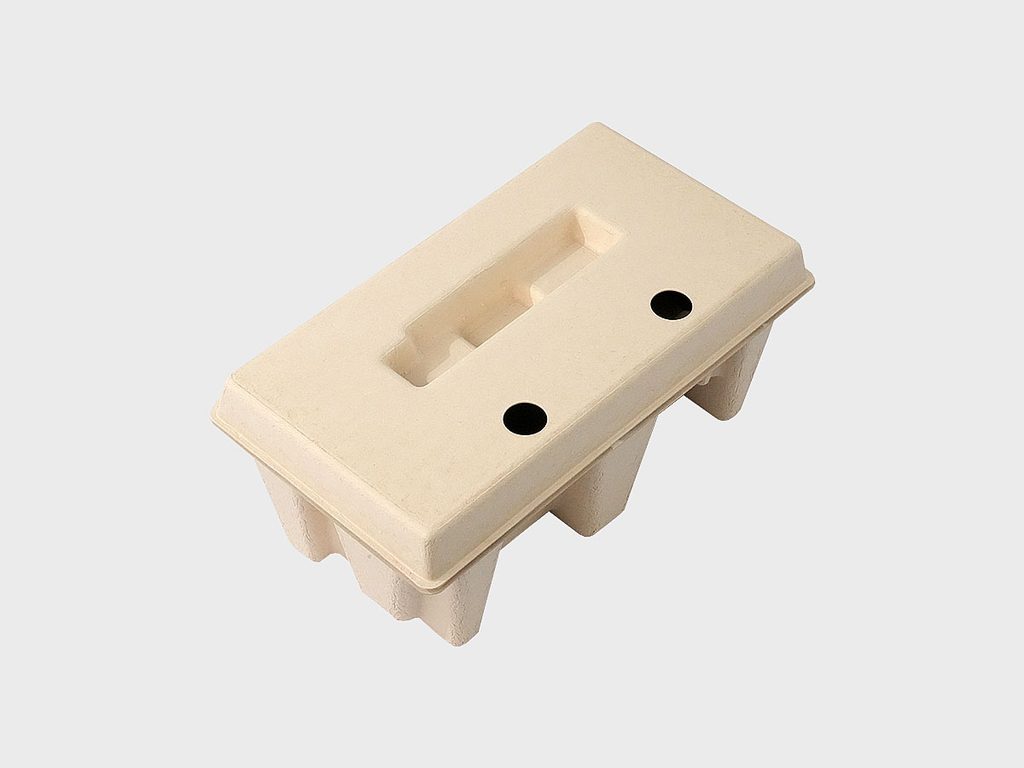
Molded pulp inserts, also known as molded fiber inserts, are generally made from recycled paper pulp, paper fibers, or other suitable plant-based fibers. Through a molding process, the material is formed into custom shapes that fit different products.
Unlike conventional plastic and foam inserts, molded pulp is primarily fiber-based. It can provide structural support and cushioning while offering the potential to be recycled through appropriate paper fiber recycling systems.
As brands place greater emphasis on sustainable packaging, molded pulp inserts are becoming an increasingly relevant option for electronics, cosmetics, personal care products, gifts, and everyday consumer goods.
Key Features:
- Paper-Based Materials: Primarily made from paper pulp or plant fibers, providing an alternative to conventional plastic inserts.
- Recyclability: Can be compatible with paper fiber recycling systems when material composition and local recycling requirements are met.
- Custom Molded Design: Custom molds can be developed according to product dimensions, shapes, and placement requirements.
- Product Protection: Properly designed structures help hold products in place and provide support and cushioning.
- Versatile Applications: Suitable for electronics, skincare products, cosmetics, gifts, household goods, and various consumer products.
Considerations:
The performance of molded pulp inserts depends on fiber materials, structural design, manufacturing processes, and the products being packaged.
For particularly heavy or fragile products, the insert structure should be carefully designed and tested to ensure sufficient protection.
Molded pulp also has a different surface appearance from plastic and foam materials, making it particularly suitable for brands that value paper-based materials, a clean presentation, and sustainable packaging concepts.
6. Comparing Five Common Packaging Insert Materials
Each material has its own strengths, and no single option is suitable for every packaging requirement. The following comparison highlights their main differences.
| Insert Material | Main Advantages | Common Applications | Environmental Considerations |
| Flocked Blister | Soft texture and premium appearance | Jewelry, wine, perfume, gifts | Multi-material structure may complicate recycling |
| Standard Blister | Lightweight and flexible molding | Cosmetics, electronic accessories, toys | Depends on plastic type and recycling facilities |
| EPE Foam | Cushioning and shock adsorption | Electronics, small appliances, glass products | Requires suitable plastic recycling channels |
| EVA Foam | Elasticity and precise product fit | Precision products, electronics, premium gifts | Requires appropriate recycling facilities |
| Molded Pulp | Paper-based material and custom structure | Electronics, skincare, gifts, household products | Potential for paper fiber recycling |
As the comparison shows, flocked blister inserts focus more on product presentation, while standard blister trays offer lightweight and flexible molding options. EPE and EVA foam are often selected for cushioning and product protection.
Molded pulp inserts stand out for their fiber-based composition, custom structural design, and potential role in sustainable packaging.
7. Why Are Molded Pulp Inserts Worth Considering?
As demand for sustainable packaging grows, more brands are reconsidering their reliance on traditional plastic and foam inserts.
Molded pulp offers another approach by combining custom product support with paper-based materials.
Reducing Conventional Plastic Use
For brands looking to reduce plastic packaging, molded pulp can replace certain plastic or foam insert applications. This provides an opportunity to move toward more paper-based packaging designs.
Customized to Different Product Requirements
Molded pulp inserts can be designed around product dimensions, weight, and shape. Custom molds help create compartments that keep products properly positioned inside the packaging.
Suitable for Various Product Categories
From consumer electronics to skincare products, gifts, and household goods, molded pulp inserts can be developed for different product categories and packaging structures.
Supporting Sustainable Packaging Goals
Paper fibers offer the potential for material recovery and reuse. When the material composition and local recycling infrastructure are suitable, molded pulp inserts can enter appropriate paper recycling systems.
Choosing the right packaging insert requires more than comparing material costs. Product protection, appearance, structural requirements, and environmental considerations all play an important role.
Flocked blister, standard blister, EPE foam, and EVA foam each offer specific advantages for different packaging applications. Molded pulp inserts provide an additional option for brands looking to reduce conventional plastic use and explore paper-based packaging solutions.
For businesses seeking more sustainable packaging alternatives, molded pulp inserts are worth considering as part of their packaging design strategy.
Risun Print specializes in customized packaging solutions, offering paper-based packaging and insert customization according to different product dimensions, shapes, and packaging requirements. The goal is to help brands find suitable packaging structures while exploring more sustainable material choices.