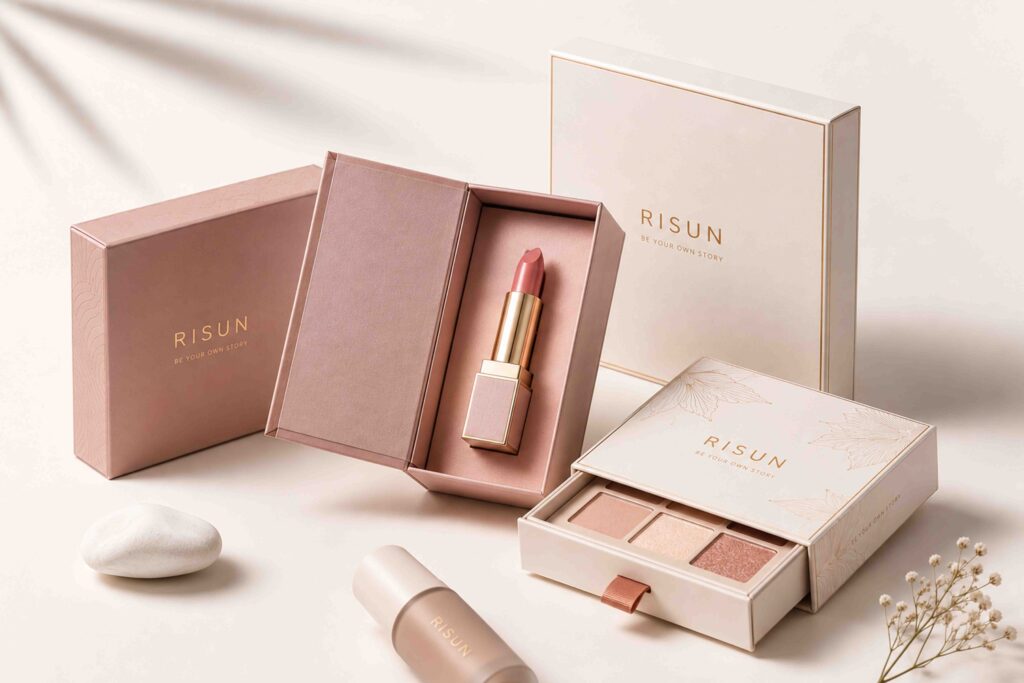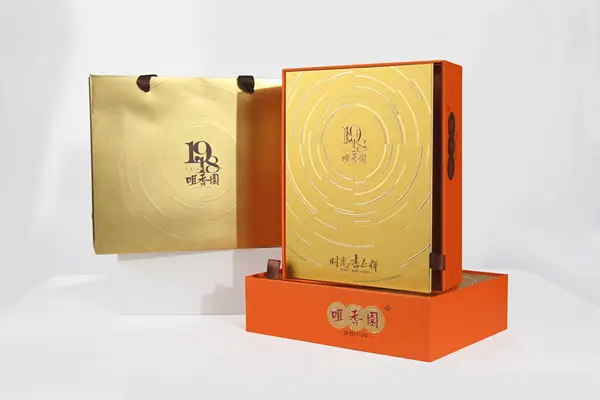
Choosing the right food boxes involves more than selecting a suitable container. Material selection, structural design, printing quality, and finishing options all influence packaging performance, product protection, and brand presentation.
This guide explores common food box types, materials, and printing solutions to help brands create packaging that meets both functional requirements and market expectations.
What Are Food Boxes?
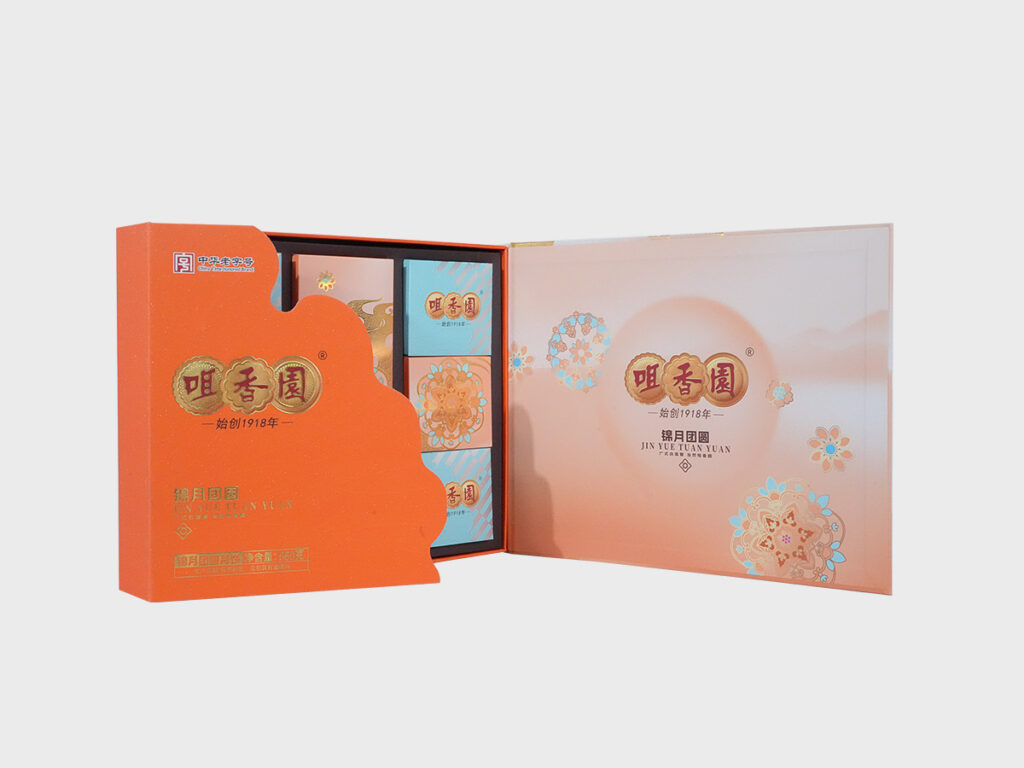
Food boxes are specialized containers designed to protect, preserve, and transport food safely. They also function as crucial branding and informational tools for food products.
Core Definition and Primary Functions
At its core, a food box is a container built to contain, protect, preserve, and move food products from point A to point B without incident. The main job is to get the food to the consumer in optimal condition. This means keeping its structure, hygiene, and sensory qualities—like taste and temperature—intact. Key functions range from organized storage and protection against physical damage to acting as a barrier against contaminants. Beyond pure function, these boxes are a primary surface for presentation, branding, and communicating essential information like ingredients and nutritional facts.
Types of Food Boxes by Material
The material selection for a food box depends on product requirements, packaging structure, printing needs, and intended application. Different materials serve different needs across the food industry.
- Cardboard Boxes: These are commonly used for bakery products, takeaway meals, snacks, and retail food packaging due to their versatility, printability, and cost efficiency. You’ll often see them with convenient handles or transparent windows for product visibility.
Custom Paper Food Boxes: Paperboard packaging is widely used for bakery products, snacks, gift foods, and retail food products because it provides excellent printability, structural flexibility, and branding opportunities. With suitable coatings or liners, paper boxes can also improve grease and moisture resistance.
Printed Retail Food Boxes: Many food brands use customized paper boxes for retail packaging, gift sets, and promotional products. These boxes can combine structural protection with high-quality printing and finishing effects to improve shelf appeal.
Specialty Paper Packaging: This category includes premium paperboard structures, kraft materials, coated papers, and specialty finishes designed for unique food presentations, gift packaging, and branded product launches.
Common Uses and Applications
Food boxes are integral to various segments of the food supply chain, from production to final consumption.
- Food Delivery and Take-Away: In this application, the box’s primary job is protecting a prepared meal as it travels from the restaurant kitchen to the customer’s doorstep.
- Box Lunch Services: These services use boxes to supply single-serving, pre-packaged meals for corporate events, schools, and meetings, where convenience and portion control are key.
- Food Production and Logistics: Within industrial kitchens and along the supply chain, sturdy boxes are used to move ingredients and semi-finished goods efficiently and hygienically.
- Retail and Catering: This includes packaging food for direct sale, like pastries in a bakery, or for serving large numbers of people at events and functions where presentation matters.
Types of Food Boxes for Different Products
Matching the box type to the product is critical. The structure—from lightweight cartons to sturdy corrugated—must align with the food’s need for protection, transport, and presentation.
| Box Type | Material | Primary Use | Product Examples |
|---|---|---|---|
| Folding Cartons for Retail and Dry Goods | Lightweight, printable paperboard like solid bleached board (SBS) or kraft paperboard. | Secondary packaging for branded products displayed on retail shelves. | Cereals, snack multipacks, baking mixes, and the outer box for frozen meals. |
| Corrugated Boxes for Shipping and Bulk Items | Corrugated fiberboard with single, double, or triple walls for stacking strength. | Transport, e-commerce shipping, and consolidating bulk wholesale items. | Cases of beverages, subscription meal kits, and large family-sized takeaway orders. |
| Takeaway Containers for Prepared Meals | Coated paperboard for grease resistance, molded fiber (bagasse), or other biodegradable materials. | Quick-service restaurant (QSR) takeout, food truck meals, and delivery. | Burger clamshells, fried chicken boxes, french fry scoops, and single-serving salads. |
| Bakery and Window Boxes for Delicate Goods | Paperboard, often with a transparent PET or PLA window to display the contents. | Protecting and showcasing visually appealing baked goods without damaging them. | Whole cakes, pastries, donuts, cupcakes (often with inserts), and macarons. |
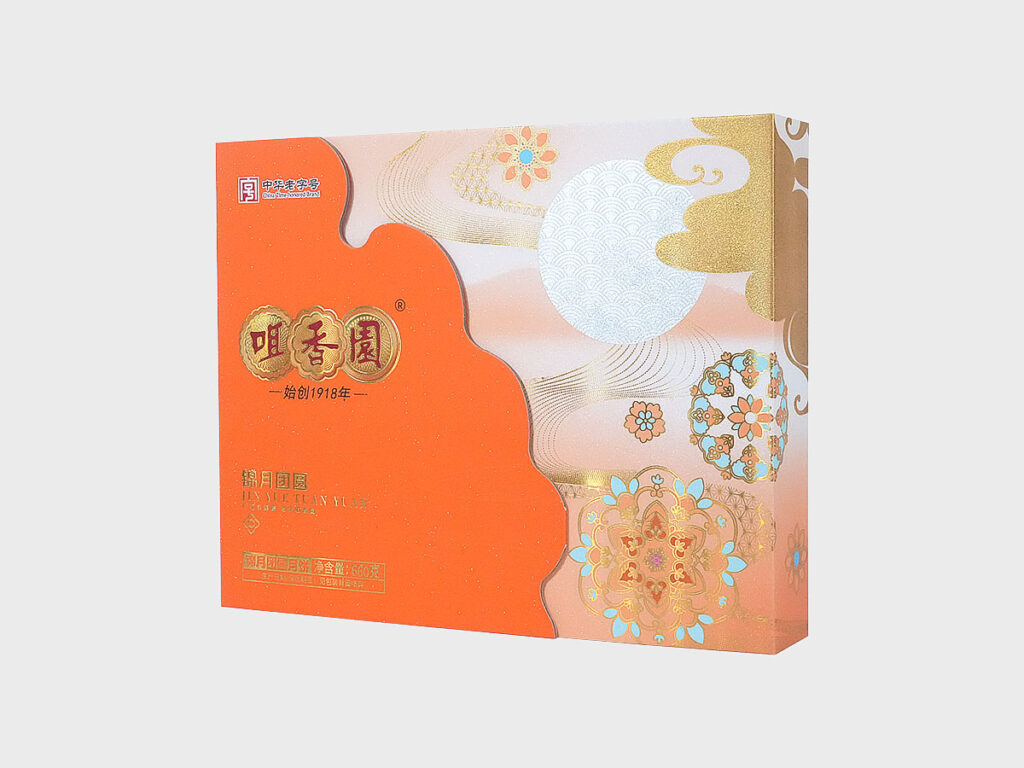
| Rigid and Sleeve Boxes for Premium Foods | Thick, non-collapsible chipboard wrapped in specialty paper for a premium feel. | High-end gifting and luxury food products where presentation is a primary concern. | Gourmet chocolates, premium gift hampers, and high-end confectionery assortments. |
Premium, Sustainable Packaging for Food Brands
Food Box Materials and Safety Considerations
Selecting food box materials is about more than just structure; it’s a strict exercise in managing chemical migration and complying with global food safety regulations to prevent contamination.
Common Materials Used for Food Boxes
The selection of materials for food boxes is driven by both performance and safety. Paper and paperboard are mainstays, often requiring virgin fibers for any surface that directly contacts food. To handle grease and moisture from products like fried foods or sauced meals, these paper-based materials are frequently treated with PE (polyethylene) or dispersion coatings.
Plastics, including polymers like polyethylene (PE), polypropylene (PP), and PET, are used for coatings, inner liners, or as the primary container. These materials are governed by strict chemical migration limits. For transport and some direct contact applications like pizza boxes, corrugated fiberboard is used. This requires specific linerboard grades and effective barrier coatings to prevent contamination. Newer, natural materials like bagasse, molded fiber, and bamboo are also common, but they must be completely free from non-food-safe chemical treatments to be compliant.
Key Safety Hazards and Chemical Migration
The primary safety concern for any food box material is chemical migration. This is the transfer of substances from the packaging into the food. Key culprits include monomers from plastics, mineral oils (MOSH/MOAH) from printing inks and recycled paper, and various heavy metals. To manage this risk, regulators and industry standards focus on specific limits and controls.
- Overall Migration Limits (OML): Many food-contact regulations define limits for the total amount of substances that may migrate from packaging into food. For example, EU food-contact material regulations commonly refer to an overall migration limit of 10 mg/dm² under specified testing conditions.
- Specific Migration Limits (SML): For substances of higher concern, such as bisphenol A (BPA) or certain plastic additives, much stricter individual limits are enforced to minimize health risks.
- Functional Barriers: To prevent migration from outer layers (like printed cardboard), manufacturers use functional barriers. These are typically inner coatings or separate films that block the transfer of harmful substances to the food itself.
Navigating Global Regulatory Frameworks
While specific rules vary by country, the core principle is universal: any material intended to contact food must not endanger human health or negatively alter the food’s composition, taste, or smell. Businesses must navigate these frameworks to ensure compliance in their target markets.
- European Union: The main framework is Regulation (EC) No 1935/2004. For plastics used in coatings, liners, or containers, the highly detailed Regulation (EU) No 10/2011 specifies approved substances and migration limits.
- United States: The Food and Drug Administration (FDA) regulates these materials as indirect food additives under 21 CFR Parts 175–179, setting rules for everything from paperboard components to adhesives and coatings.
- India: The Food Safety and Standards Authority of India (FSSAI) and Bureau of Indian Standards (BIS) define migration limits. These bodies often mandate the use of virgin grade materials for direct food contact to avoid contaminants from recycled sources.
Good Manufacturing Practices (GMP) and Verification
Ensuring consistent safety requires more than just choosing the right material; it demands rigorous production controls. Good Manufacturing Practices (GMP), such as those outlined in the EU’s Regulation (EC) No 2023/2006, mandate documented processes to guarantee quality and safety at every step. This involves using certified food-grade raw materials, implementing strict controls to prevent cross-contamination, and maintaining full traceability throughout the supply chain.
As a food business, you are responsible for verification. This means requesting and reviewing key supplier documentation, including Certificates of Compliance, migration test reports, and evidence of food safety certifications like ISO 22000 or BRC. Critically, you must also confirm that the specific box material has been validated for your food type (e.g., fatty, acidic, alcoholic) and intended use conditions, such as hot-holding, freezing, or microwaving. A box safe for a dry sandwich may not be safe for a hot, oily curry.
Printing Options for Food Boxes
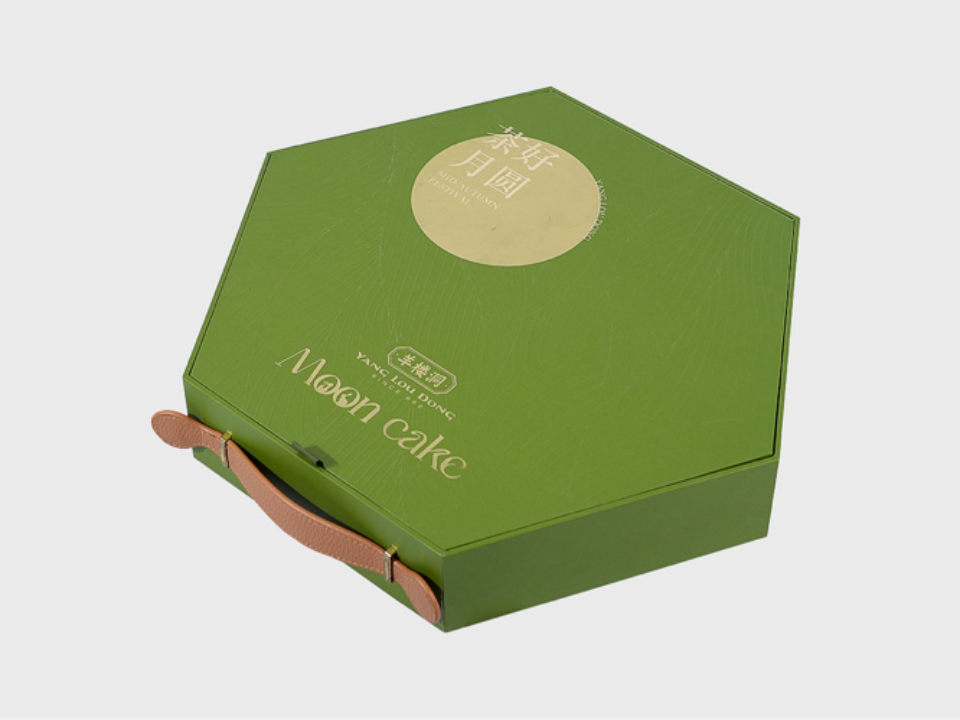
Choosing the right printing for food boxes means balancing order volume and design complexity with the box material, all while ensuring inks and coatings are food-safe.
Core Printing Methods
The printing method you select directly impacts your cost, quality, and production speed. Each one is a tool for a specific job, and the right choice depends on your project’s scale and branding goals.
- Flexographic Printing: This is the workhorse for large-volume orders with simple, solid-color branding. It’s highly cost-effective at scale, making it the go-to for standard shipping cartons, takeout containers, and pizza boxes.
- Offset Printing: When you need sharp, photo-quality graphics, offset is the answer. It produces high-resolution images and smooth color gradients, ideal for premium retail food packaging where shelf appeal is critical.
- Digital Printing: For short runs, prototypes, or seasonal promotions, digital printing offers unmatched flexibility and speed. With no plate setup costs, it’s perfect for testing new designs or getting custom boxes with a fast turnaround.
How Box Material Affects Print Quality
The material of your box isn’t just structural; its surface texture dictates what kind of print results you can expect. A smooth surface will always produce sharper graphics than a rough, porous one.
- Cardstock and Paperboard: These materials have smooth, consistent surfaces that are perfect for the fine detail produced by offset and digital printing. This makes them the top choice for retail boxes that need to look sharp up close.
- Corrugated Cardboard: The slightly uneven surface of corrugated, especially on standard kraft liners, is best suited for the bolder application of flexo printing. For higher quality, printing on a white outer liner provides a better canvas for color.
- Kraft and Recycled Board: The natural, fibrous look of these materials pairs well with simple, one- or two-color designs. It’s a popular choice for brands wanting to convey an eco-friendly or rustic aesthetic, where perfect image fidelity isn’t the primary goal.
Finishes and Protective Coatings
Finishes are not just about looks; they add a tactile dimension to your packaging and protect the print from scuffs and moisture. They can transform a standard box into a premium experience.
- Matte and Gloss Finishes: These are the most common protective coatings. A gloss finish makes colors pop, while a matte finish provides a subtle, modern look.
- Soft-Touch Lamination: This finish adds a velvety, luxurious texture that encourages customers to handle the product. It immediately signals a high-end item.
- Spot UV: Applying a high-gloss UV coating to specific elements—like a logo or pattern—creates a striking visual contrast against a matte background.
- Embossing and Foil Stamping: For ultimate luxury, embossing creates a raised texture, while foil stamping adds metallic accents. Both are used to give premium food boxes a distinctive, high-value feel.
Food-Safe Inks and Compliance
When printing on food packaging, safety is non-negotiable. Any component that could potentially come into contact with the food, even indirectly, must meet strict regulatory standards to prevent chemical migration.
- Food packaging printing demands the use of non-toxic, food-grade inks. Common options include water-based or soy-based inks, which are formulated to be safe for food applications.
- Every printed surface that has a chance of direct or indirect food contact must comply with safety regulations like those from the FDA. This includes the inside of a pizza box lid or the paper wrapping a sandwich.
- For greasy or oily foods like fried chicken or pastries, a grease-resistant coating is often applied to the paperboard to prevent oil from soaking through and staining the box.
Choosing a Method Based on Quantity and Design
The final decision comes down to a simple trade-off between your budget, brand standards, and order size. Matching the right process to your project saves money and ensures the final product meets expectations.
- Flexographic printing is the most economical choice for large runs (tens of thousands of units or more) with simple logos and solid colors.
- Offset printing is justified for high-volume orders that require premium, detailed graphics. The initial plate setup costs are spread out, making it cost-effective for large quantities of retail-quality boxes.
Digital printing is often suitable for low-volume projects, custom batches, and products requiring faster production preparation because it does not require traditional plate-making processes.
- Always specify if you need precise Pantone (PMS) color matching. This ensures your brand colors remain consistent across all packaging, which is crucial for brand recognition.
Sustainable Food Packaging Solutions
Sustainable food packaging solutions focus on reducing environmental impact by using renewable, recycled, or reusable materials while still meeting critical food safety and regulatory standards.
Key Material Categories for Food Boxes
Choosing the right material is the foundation of a sustainable packaging strategy. The focus is shifting away from complex, single-use formats toward circular-ready options that prioritize resource efficiency and responsible end-of-life management.
- Fiber-based solutions: These options use renewable materials like paperboard, often certified by the Forest Stewardship Council (FSC) to ensure responsible sourcing. Molded fiber products are also gaining traction, with designs that can be recycled or industrially composted, providing alternatives to conventional plastics.
- Recycled-content plastics: Incorporating recycled plastics like r-PET (recycled PET) and r-PP (recycled polypropylene) is critical for meeting regulatory targets and reducing the industry’s reliance on virgin fossil fuels. This approach is common for trays used for meat or ready-meals.
- Bio-based and compostable plastics: Polymers such as PLA (from corn) or PHA (from bacterial fermentation) are used for specific applications like salad containers or compostable linings. Their environmental benefit depends entirely on access to industrial composting facilities for proper disposal, as they can contaminate traditional plastic recycling streams.
- Reusable packaging systems: These systems use durable materials like polypropylene (PP), copolyesters, or stainless steel to create containers that withstand dozens or hundreds of use cycles. They operate within closed-loop or deposit-return models, common in corporate cafeterias or local takeaway services.
Design Strategies for Environmental Impact Reduction
Effective sustainable packaging goes beyond material choice. Smart design decisions can dramatically improve recyclability, reduce waste, and ensure compliance without compromising the primary function of protecting the food.
- Applying Design for Recycling (DfR) principles: This involves creating packaging that is easy to recycle. Key tactics include using mono-materials, limiting the printed surface area to 60% or less, and choosing washable labels that detach cleanly during the recycling process.
- Balancing food protection with packaging impact: The goal is to prevent food waste, which often has a larger environmental footprint than the packaging itself. For high-impact foods like meat, robust packaging is justified. For low-impact items like fresh produce, the focus should be on minimizing packaging or using returnable crates.
- Adopting a lifecycle approach: A true assessment of sustainability requires evaluating the entire lifecycle of the packaging. This includes emissions from raw material sourcing, manufacturing energy, transportation weight, and end-of-life processing, whether it’s recycling, composting, or reuse.
- Ensuring chemical safety: Sustainable design must also be safe. This means eliminating harmful substances like PFAS (per- and polyfluoroalkyl substances) from grease-resistant coatings and ensuring all materials fully comply with food-contact regulations to prevent chemical migration.
Navigating Critical Regulations and Certifications
The regulatory landscape for packaging is tightening globally. Compliance is no longer optional, and third-party certifications are essential for validating sustainability claims and gaining market access.
- Complying with key regulations: The EU’s Packaging and Packaging Waste Regulation (PPWR) is a major driver, setting mandatory targets for all packaging to be recyclable by 2030 and mandating recycled content levels. Similar regulations are emerging worldwide, pushing the industry toward circularity.
- Adhering to food safety manufacturing standards: Certifications like FSSC 22000 (which integrates ISO 22000) are critical for packaging manufacturers. They ensure hygienic design, material traceability, and robust safety management systems throughout the supply chain.
- Securing environmental certifications: To back up claims, companies should seek recognized certifications. These include FSC for responsibly sourced paper, BPI for compostability in North America, or GreenScreen for vetted, safer chemicals in reusable items.
- Meeting specific procurement requirements: Many large buyers now mandate sustainability criteria in their contracts. This can include requirements for returnable systems for produce delivery or minimum recycled content, such as a mandate for ≥30% r-PET in meat trays.
Implementation Pathways and Business Models
Transitioning to sustainable packaging involves more than just swapping materials; it requires a structured approach and often a shift in business models to support circularity.
- Following a structured transition process: A successful shift starts with auditing current packaging to identify problems. From there, companies pilot new formats on a small scale to test performance and gather feedback before scaling the solutions that prove effective and viable.
- Developing reuse-oriented business models: Circularity can open up new revenue streams. Examples include deposit-return schemes for takeaway containers in urban areas or subscription services that provide and manage reusable packaging for corporate cafeterias.
- Utilizing circular supply contracts: Procurement has immense power to drive change. By embedding specific sustainability criteria into supply contracts—such as recycled content minimums or participation in a returnable system—buyers can push the entire supply chain toward more sustainable practices.
- Integrating digital tracking: Technology is a key enabler for reuse and recycling systems. QR codes or RFID tags on packaging can be used to monitor reuse cycles, track recovery rates, and manage inventory, providing valuable data to optimize the system’s efficiency and impact.
Choosing a Food Boxes Manufacturer
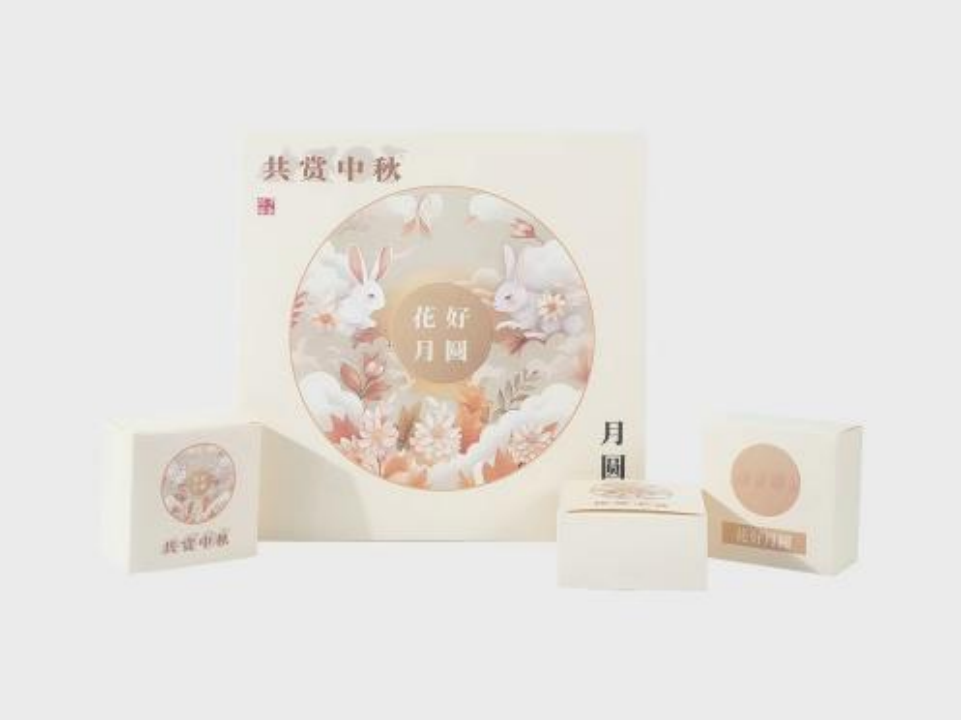
Vetting a food box supplier hinges on verifying food safety compliance, material performance, quality systems, and supply chain reliability to protect your product and your brand.
Selecting a food boxes manufacturer isn’t just a procurement task; it’s a critical food safety decision. Your packaging supplier is an extension of your quality control system. A failure in their process can lead to contamination, product loss, and brand damage. The evaluation must be structured and unforgiving, covering everything from regulatory paperwork to the physical integrity of their facility.
Verify Food Safety and Regulatory Compliance
Before you even look at a box sample, your first questions must be about food safety and regulatory paperwork. This isn’t optional; it’s the foundation of a safe supply chain. A supplier that cannot provide relevant compliance documents or quality records should be carefully evaluated before moving forward with cooperation.
- Confirm the use of certified food-grade materials for any surface that may contact food. No exceptions.
- Require written confirmation of compliance with key food contact material regulations, such as EU Regulation 1935/2004/EC. Don’t just take their word for it.
- Verify that the manufacturer operates under a documented Good Manufacturing Practice (GMP) program specifically for food packaging.
- Request current third-party certifications. Look for standards like SQF for Food Packaging or the IFS Food Packaging Guideline.
Evaluate Material Performance and Suitability
Once safety is confirmed, the focus shifts to whether the box can actually do its job. The material must match your product’s specific needs, from weight and stacking to environmental conditions. A box that is “food-safe” but collapses in a cold chain is useless.
- Assess the box’s strength. Check the board grade and wall construction (single, double, or triple-wall) to ensure it handles your product’s weight and stacking height.
- Ensure the box design is suitable for your product’s specific conditions, such as moisture resistance for fresh produce or durability in cold chain environments.
- Check for application-specific features like proper venting, handle design, or grease-resistant coatings for bakery items.
- For bulk systems using gaylord boxes, confirm the availability of compatible, FDA-compliant food-grade liners. The liner is the primary food-contact barrier.
Review Quality Assurance and Traceability Systems
If a problem occurs, you need to be able to trace it back to its source quickly. A supplier without a robust QA and traceability system introduces unacceptable risk into your operation. You need to see evidence of their internal controls.
- Ensure the manufacturer has a robust lot traceability system that links raw materials to the finished boxes and liners they ship to you.
- Request a Certificate of Compliance (CoC) or Certificate of Analysis (CoA) with each shipment as a standard procedure.
- Ask for documentation of their internal quality control checks, such as dimensional accuracy, compression strength, and visual defect inspections.
- Verify they retain control samples from each production batch. This is critical for aiding any future quality investigations.
Inspect Facility Hygiene and Contamination Controls
A food box manufacturing facility should look more like a food processing plant than a standard cardboard factory. Pay close attention to their housekeeping and contamination prevention protocols. If possible, visit the facility.
- Inquire about the facility’s design for preventing cross-contamination, including controlled access to production areas.
- Review their procedures for storing packaging materials to keep them clean, dry, off the floor, and protected from pests.
- Ask for evidence of a documented sanitation schedule for equipment and storage areas.
- Confirm a comprehensive pest management program is in place for all production and warehouse zones.
Assess Supply Chain Reliability and Logistics
A great box is worthless if it doesn’t arrive on time. Your production line can’t wait. The supplier must prove they can integrate with your operational tempo and keep you supplied, especially during peak demand.
- Evaluate the manufacturer’s ability to support scheduled deliveries and recurring purchase programs that align with your production cycles.
- Ask about their capacity to maintain buffer stock of your standard boxes to guarantee availability during peak seasons.
- Check if they offer logistical support, such as guidance on efficient stacking, handling, and staging of boxes at your facility.
- Discuss their systems for tracking inventory and managing reorder points to ensure you maintain a consistent supply.
Frequently Asked Questions
What are food boxes made of?
Food boxes in the food industry are made from a limited set of food-contact materials engineered for safety and performance. They are typically combinations of paper or fiber, plastics, metals like aluminum, and foams, often with inner linings or coatings for added resistance to grease and moisture.
Are paper food boxes safe to use?
Paper food boxes are safe when they are manufactured as food-grade packaging. This means they must comply with specific migration and contamination limits, use non-toxic coatings, inks, and adhesives, and be used under the conditions (time, temperature, food type) for which they were designed.
Can food boxes be customized?
Yes, food boxes can be extensively customized in structure, materials, printing, and performance. All custom elements must remain food-safe and compliant with regulations such as FDA 21 CFR and relevant international standards to ensure they are suitable for contact with food.
Are custom food boxes recyclable?
Custom food boxes can be recyclable, but their recyclability depends on the materials, coatings, inks, and overall design being compatible with local recycling systems. Additionally, food contamination must be minimal for the boxes to be accepted by recycling facilities.
How are food boxes printed?
Food boxes are printed using specialized packaging printing techniques like offset, flexographic, and digital printing. These methods transfer inks, coatings, and sometimes foils onto paperboard, corrugated cardboard, or plastic substrates while maintaining food safety and structural integrity.
What size food box do I need?
The right food box size depends on the food type, portion volume, and packaging style. Common takeout sizes range from 6 × 4 × 2 inches for small portions to 10 × 8 × 3 inches for family-sized meals. Capacities often fall between 12–16 oz for small meals and 24–32 oz for standard entrées.
How much do custom food boxes cost?
Custom food boxes typically cost between $0.15 to $3.50 per unit. For mass-production runs of 5,000 to 10,000 pieces, a common price range is $0.18 to $0.85 per unit, depending on the box type, material, printing, and quantity.
What is food grade packaging?
Food grade packaging refers to materials, structures, and finishes that are demonstrably safe for direct contact with food. It must not adversely affect the food’s safety, composition, or sensory qualities like taste and smell.
How do I choose a food packaging supplier?
Choosing a food packaging supplier requires a structured evaluation of their food safety compliance, functional performance, cost and logistics, and capacity for a long-term partnership. It’s essential to verify certifications, test samples, and assess their ability to meet your specific branding and operational needs.
Final Thoughts
While generic food boxes offer lower upfront costs, the regulatory compliance and material performance standards detailed here are the only way to safeguard your brand. They are your primary defense against product contamination, supply chain disruptions, and the liability that comes with non-compliant packaging.
Don’t guess on safety and performance—verify it. We recommend requesting a sample to evaluate our material and print quality firsthand. Contact our team to provide your product specifications for a custom quote or to discuss your OEM requirements.