Choosing the right packaging is an important decision for any business. Packaging not only protects products but also influences how customers perceive a brand. Among the many packaging options available, folding cartons and rigid boxes are two common choices for different products and industries.
Although both types can be customized in terms of size, printing, colors, and finishing, they differ in structure, materials, durability, storage, and overall appearance.
For businesses looking for custom packaging boxes, understanding these differences can help them choose a packaging style that meets their product requirements, brand positioning, and budget.So, what is the difference between folding cartons and rigid boxes?
1. What Are Folding Cartons?
Folding cartons are lightweight paperboard boxes designed to be folded into shape. They are usually produced from materials such as white cardstock and other printable paperboards.
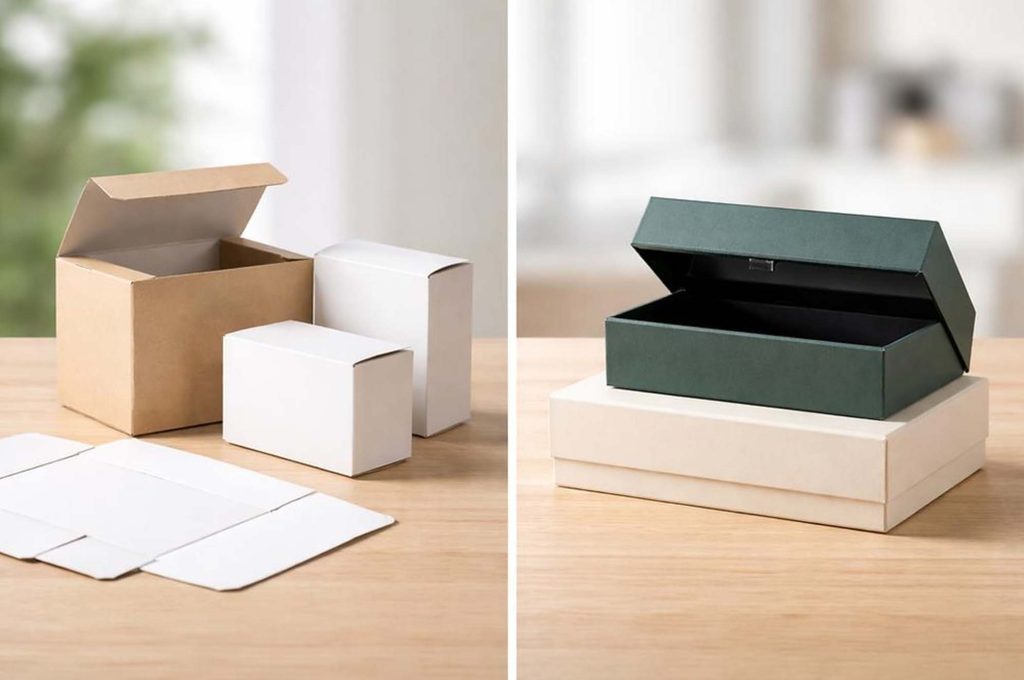
Unlike rigid boxes, folding cartons are typically supplied flat before assembly. Their foldable structure makes them easier to store and transport, especially when businesses need to handle large quantities of packaging.
Key Features of Folding Cartons
Lightweight and Space-Saving Structure
Folding cartons can be delivered and stored flat, which helps reduce storage space and shipping volume before assembly. This makes them a practical choice for businesses that require large quantities of packaging.
Flexible Printing and Finishing Options
Folding cartons support a wide range of printing and surface finishing options. Businesses can customize their packaging with brand logos, product information, illustrations, and different visual designs.
Common finishing options include:
- Matte or gloss lamination
- Foil stamping
- Embossing and debossing
- Spot UV
- Special printing effects
Suitable for Mass Production
Folding cartons are commonly used for products that require standardized packaging in relatively large quantities. Their lightweight structure and foldable design make them suitable for efficient production, storage, and distribution.
Common Applications of Folding Cartons
Folding cartons are widely used in various industries, including:
- Cosmetics and skincare products
- Health supplement packaging
- Electronics and digital accessories
- Personal care products
- Small consumer goods
- Retail product packaging
For brands that need practical and visually appealing custom folding cartons, this packaging type offers flexibility in design while helping manage storage and transportation requirements.
2. What Are Rigid Boxes?
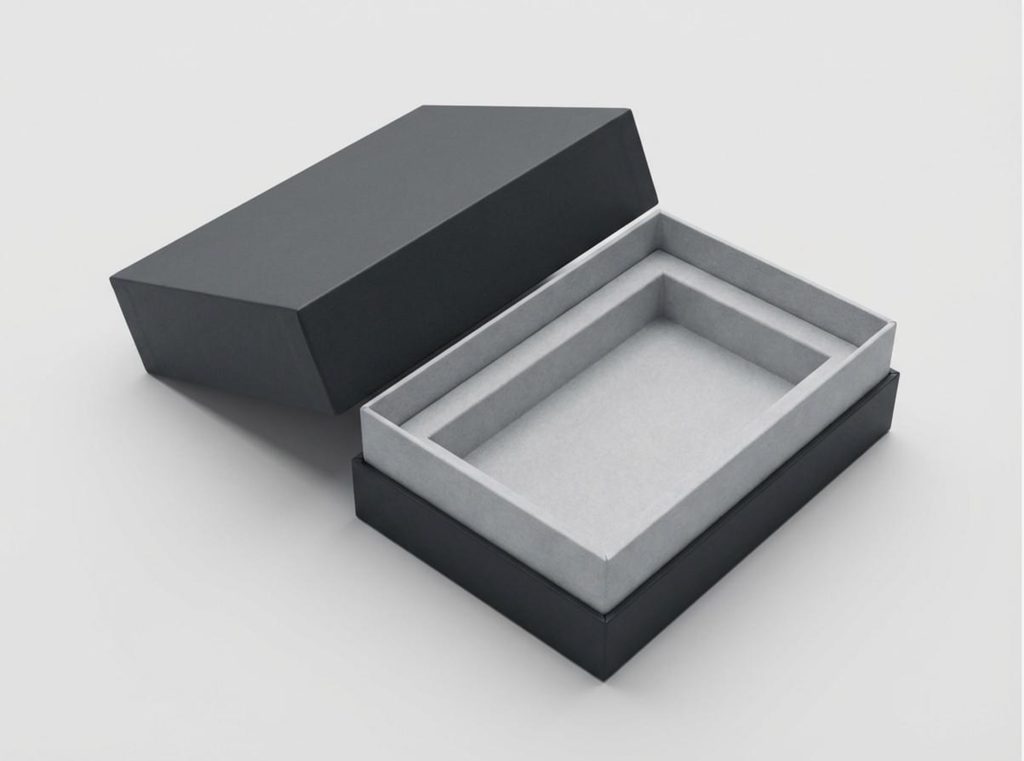
Rigid boxes, also known as setup boxes, are packaging boxes made with thick paperboard, commonly wrapped with printed paper or other decorative materials.
Unlike folding cartons, rigid boxes are generally preassembled and maintain their shape without needing to be folded into place. Their sturdy construction and premium appearance make them a popular choice for luxury products, gift sets, and high-end retail packaging.
Key Features of Rigid Boxes
Strong and Sturdy Construction
Rigid boxes use thick paperboard to create a solid structure. Depending on the materials, dimensions, and internal design, they can provide additional support and protection for products during handling and storage.
Premium Appearance
Rigid boxes offer a substantial feel and a more structured presentation. Their surfaces can be customized with different materials, colors, printed graphics, and finishing techniques to create a distinctive brand appearance.
Various Structural Designs
Rigid boxes are available in different structures to suit different product types and presentation requirements.
Common styles include:
- Book-shaped boxes
- Lid and base boxes
- Drawer boxes
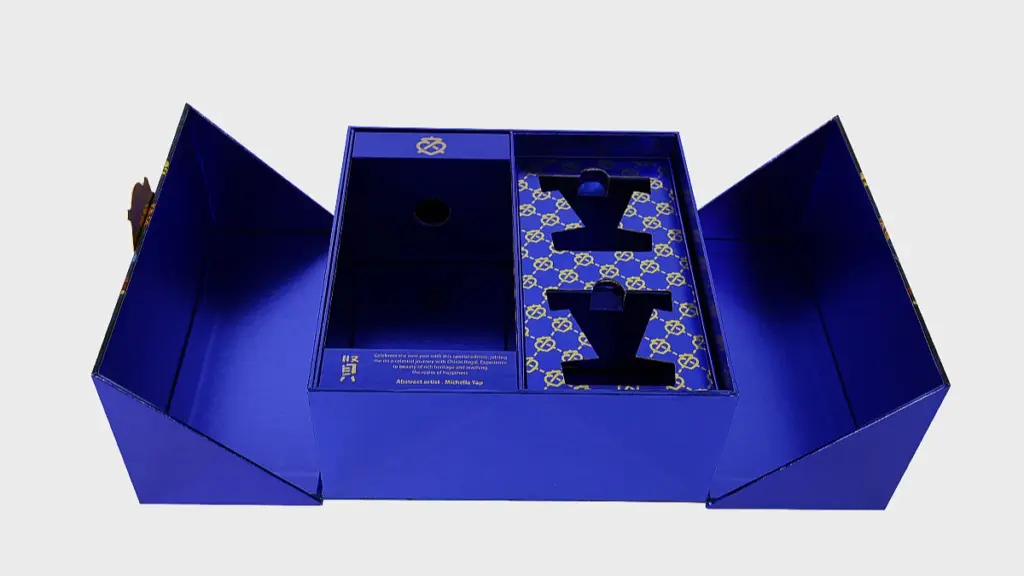
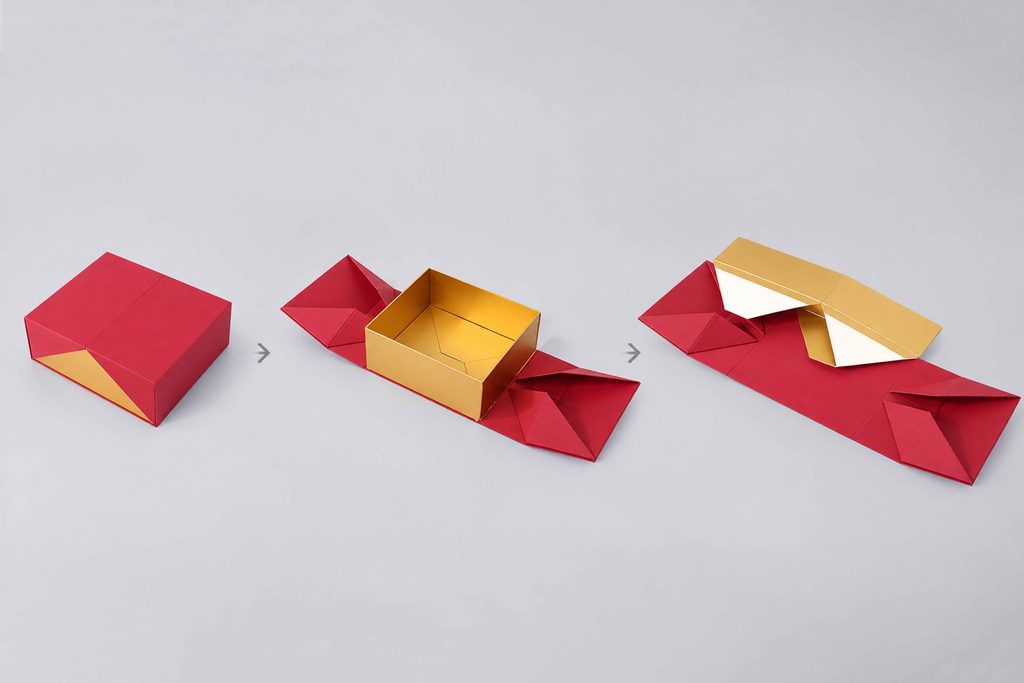
- Double door boxes
- Hinged lid boxes
These structures can be combined with custom inserts to hold products securely and create an organized interior layout.
Common Applications of Rigid Boxes
Rigid boxes are commonly used for products that require a more premium packaging presentation, such as:
- Wine and whiskey gift sets
- Perfume and cosmetics gift boxes
- Jewelry and luxury accessories
- Health supplement gift sets
- Premium electronic products
- Corporate and promotional gifts
For brands developing custom gift boxes, rigid box packaging offers more structural options and greater flexibility in creating a distinctive unboxing experience.
3. Folding Cartons vs. Rigid Boxes: What Are the Main Differences?
Although folding cartons and rigid boxes can both be customized, their structural characteristics make them suitable for different packaging needs.
Understanding the following differences can help businesses select the right packaging type.
3.1 Structure and Materials
The most obvious difference is their construction.
Folding cartons are made from printable paperboard and feature creased panels that can be folded into a box shape. They are generally thinner and lighter than rigid boxes.
Rigid boxes are made from thicker paperboard, often greyboard, and are usually covered with printed or decorative paper. This construction gives them a more solid and durable feel.
3.2 Protection and Durability
Both packaging types can provide product protection, but their performance depends on the materials, structure, and internal design.
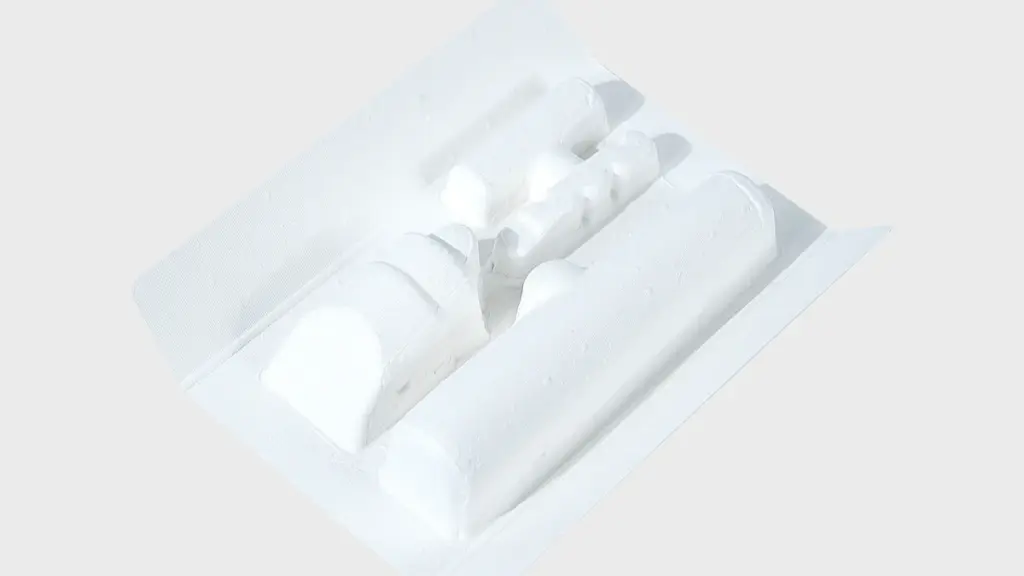
Folding cartons are suitable for many lightweight and regularly shaped products. For products that need additional internal support, inserts can be added to improve product positioning and stability.
Rigid boxes have a thicker and more substantial structure, making them suitable for products that require a sturdier outer package.
For fragile or valuable products, the choice of internal inserts is also important. A properly designed insert can help reduce product movement and improve the overall packaging protection.
3.3 Storage and Transportation
Folding cartons are typically supplied flat, making them easier to store before assembly. Their flat-packed structure can help reduce warehouse space requirements and transportation volume.
Rigid boxes are generally delivered in their assembled form. Although this makes them ready for use, they usually require more storage space and may involve higher transportation costs due to their larger shipping volume.
Therefore, businesses should consider their storage conditions, order quantities, and logistics arrangements when selecting a packaging type.
3.4 Appearance and Brand Presentation
Folding cartons offer a clean and versatile appearance. With customized printing and finishing, they can effectively display brand information and product details.
Rigid boxes are often associated with premium packaging because of their thicker construction and more substantial appearance. They are particularly suitable for gift packaging and products where presentation is an important part of the customer experience.
However, both packaging types can achieve attractive visual results through suitable graphic design, material selection, and surface finishing.
3.5 Cost and Production Considerations
Folding cartons are generally more economical for many standard retail packaging applications because they use lighter materials and can be supplied flat.
Rigid boxes typically involve thicker materials, more structural components, and additional wrapping or forming processes. As a result, they often have a higher unit cost.
However, the actual price depends on several factors, including box dimensions, materials, printing, finishing, order quantity, and structural complexity.
When comparing custom packaging boxes, businesses should evaluate the overall packaging requirements rather than choosing based on material cost alone.
4. Which Packaging Type Is Better for Different Products?
There is no single packaging type that works best for every product. The right choice depends on the product’s characteristics, packaging purpose, and brand positioning.
4.1 Cosmetics and Skincare Products
Both folding cartons and rigid boxes are suitable for cosmetics and skincare products.
Folding cartons are commonly used for individual skincare products, such as facial creams, serums, lotions, and personal care items. They provide space for product information and brand graphics.
Rigid boxes are more suitable for skincare gift sets, promotional collections, and premium cosmetic packaging that requires a more distinctive presentation.
Recommendation: Choose folding cartons for individual retail products and rigid boxes for premium gift sets or multi-product collections.
4.2 Wine and Whiskey Packaging
Wine and whiskey products often require packaging that can accommodate bottle dimensions and provide suitable internal support.
Rigid boxes are commonly used for premium wine and whiskey gift packaging. They can be designed with custom bottle inserts to hold the products in position.
Folding cartons may also be suitable for certain lightweight or secondary packaging applications, depending on the bottle size, weight, and protection requirements.
Recommendation: Rigid boxes are often a suitable choice for premium wine and whiskey gift sets.
4.3 Electronics and Digital Products
Electronic products come in different sizes and shapes, so packaging needs to be designed according to their specific dimensions and protection requirements.
Folding cartons are suitable for many electronic accessories, such as cables, chargers, and small digital products. They are lightweight and practical for retail display.
Rigid boxes can be considered for premium electronic devices, promotional sets, and products that require a more substantial packaging presentation.
Recommendation: Choose according to product weight, protection requirements, retail positioning, and budget.
4.4 Health Supplements and Gift Sets
For individual supplement bottles and regular retail products, folding cartons provide a practical packaging option with sufficient space for branding and product information.
For premium supplement collections, promotional packages, or multiple-product gift sets, rigid boxes can offer a more organized and distinctive presentation.
Recommendation: Folding cartons are suitable for individual products, while rigid boxes are a good option for premium gift sets.
5. How to Choose the Right Custom Packaging Solution?
After understanding the differences between folding cartons and rigid boxes, businesses should consider several factors before making a final decision.
5.1 Understand Your Product Requirements
Start by identifying the product’s dimensions, weight, shape, and protection requirements.
A lightweight product may work well with a folding carton, while a heavier or more valuable product may require the additional structural support of a rigid box.
5.2 Define Your Brand Positioning
Consider how the packaging should represent your brand.
If your goal is practical retail packaging with clear product information, folding cartons may be a suitable choice.
If your product belongs to a premium market or is intended as a gift, rigid boxes may better match the desired presentation.
5.3 Consider Your Budget and Order Quantity
Material selection and box structure can have a significant impact on packaging costs.
Businesses should consider the unit price, order quantity, storage requirements, and transportation costs together.
The most suitable packaging option is one that meets the product’s requirements without introducing unnecessary costs.
5.4 Evaluate Customization and Finishing Options
Both folding cartons and rigid boxes support various customization options, including printing, foil stamping, embossing, and different surface finishes.
The final choice should consider which materials and finishing techniques best complement the product and brand identity.
6. Custom Packaging Solutions from Risun Print
Choosing between folding cartons and rigid boxes is an important step in developing suitable product packaging. Each type offers different advantages in terms of structure, appearance, storage, and cost.
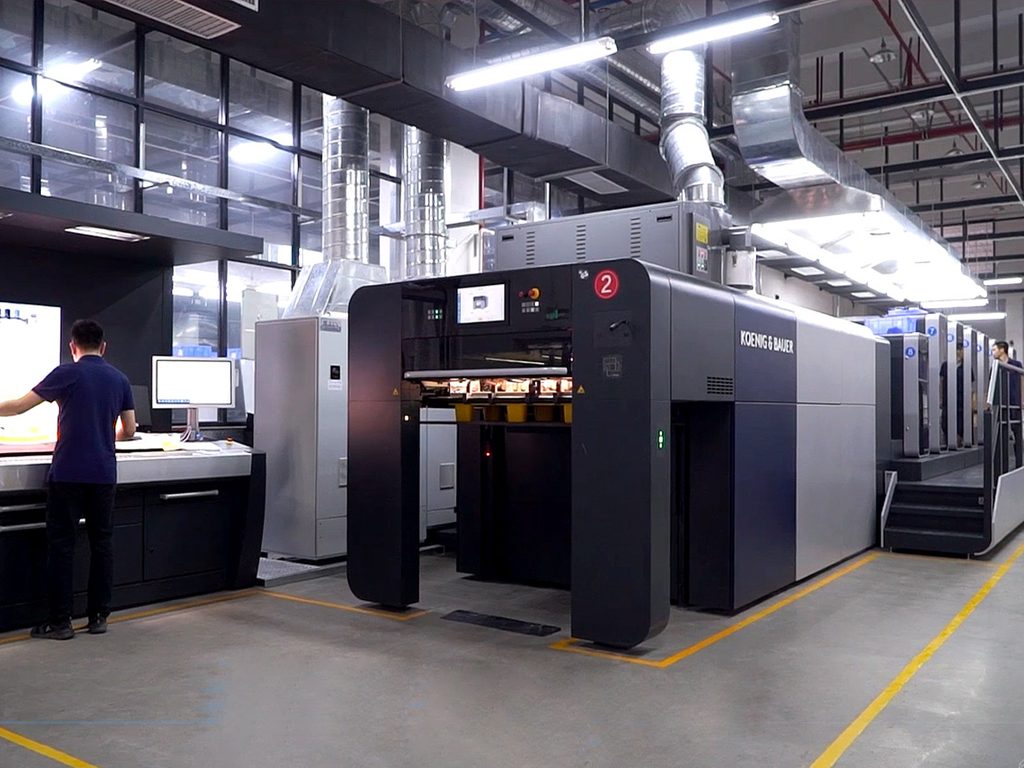
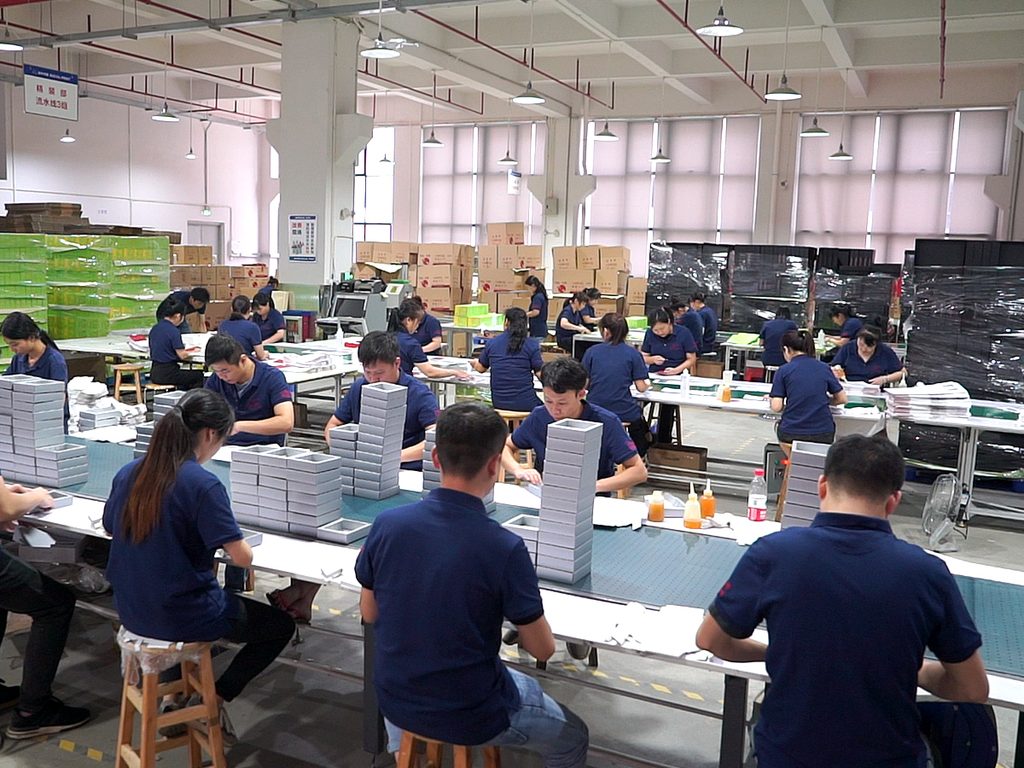
As a custom packaging manufacturer, Risun Print provides customized packaging solutions for different industries, including wine, cosmetics, health supplements, electronics, and gift products.
From structural development and graphic design to printing and post-press production, Risun Print supports customers throughout the packaging customization process.
Whether businesses need folding cartons for everyday retail products or rigid boxes for premium gift packaging, the box structure, dimensions, materials, printing, and finishing details can be customized according to specific requirements.
By understanding the product’s needs and brand positioning, businesses can choose packaging that balances functionality, appearance, and production costs.