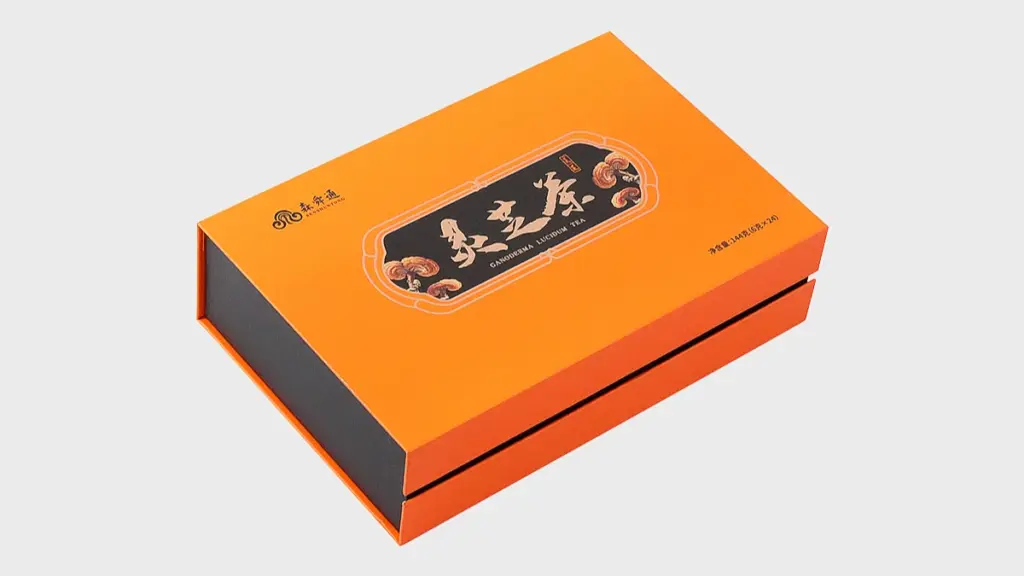
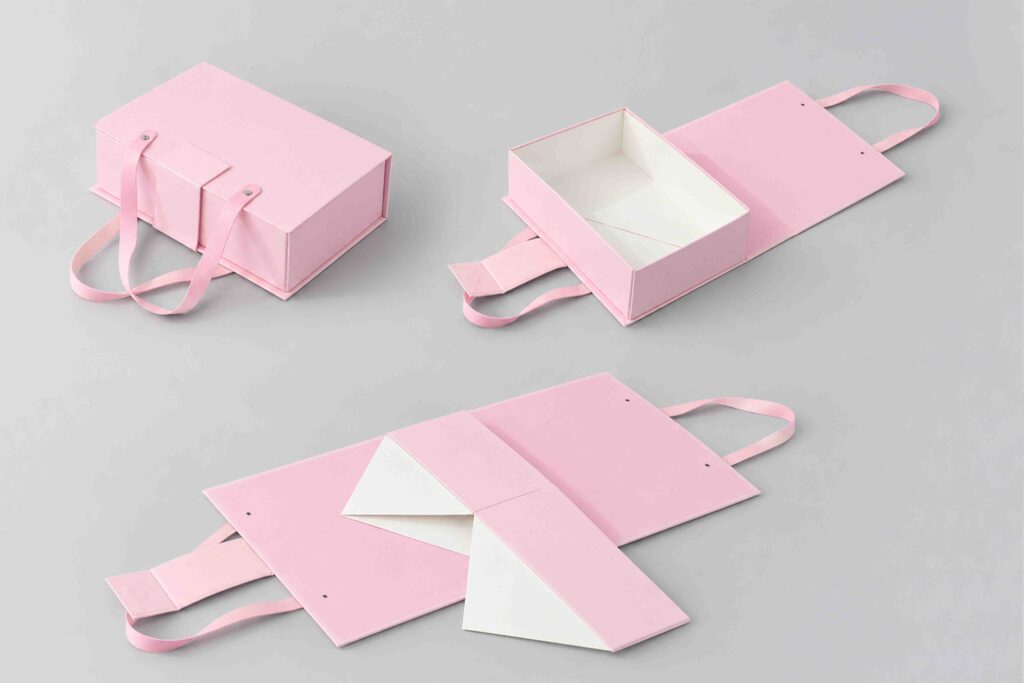
Geformter Zellstoff, Schaum, and plastic inserts each trade something away. Foam cushions best but fails the recycling test, plastic trays organize precisely but carry a disposal burden, and molded pulp balances protection with curbside recyclability. The insert material you specify drives damage rates, return costs, and the first impression at unboxing.
This comparison gives packaging buyers a defensible basis for that decision. You get side-by-side readings on protection, Aussehen, tooling cost, und Nachhaltigkeit, plus scenario recommendations for electronics, Geschenke, and beauty products. It also shows how to match the insert with the outer box so the pack works as one system.
Why Does Insert Material Selection Matter?
Insert material selection dictates how a product is protected during shipping and presented at unboxing, directly impacting damage rates and the customer’s first impression of quality.
Product Protection Requirements
The primary job of an insert is to get the product to its destination in one piece. This isn’t just about cushioning; it’s about total control within the box. A material’s protective function comes down to four key jobs:
- It must control movement and cushion against impacts, reducing damage from shock, Vibration, and crushing forces common in transit.
- The insert needs to support the product’s specific weight and geometry, matching its fragility level. A heavy item needs more structural support than a light one.
- It separates multiple components and accessories, preventing them from colliding, scratching, or damaging each other during shipment.
- A secure fit holds the product in the correct position, a non-negotiable factor for effective transit protection. Looseness is a primary cause of damage.
Packaging Presentation Requirements
Beyond protection, the insert is the first thing a customer sees after the lid comes off. It sets the stage for the product itself and has a major influence on perceived value.
- The material shapes the initial unboxing experience, making the product appear organized and intentionally presented.
- Your choice of material, Farbe, and finish reinforces brand positioning, signaling whether your product is premium, eco-conscious, or purely functional.
- A well-designed insert organizes all contents neatly, keeping the main product and its accessories perfectly aligned for a clean internal layout.
- Inserts can be designed with precise cutouts that showcase the product, a critical feature for retail displays and gift-oriented packaging.
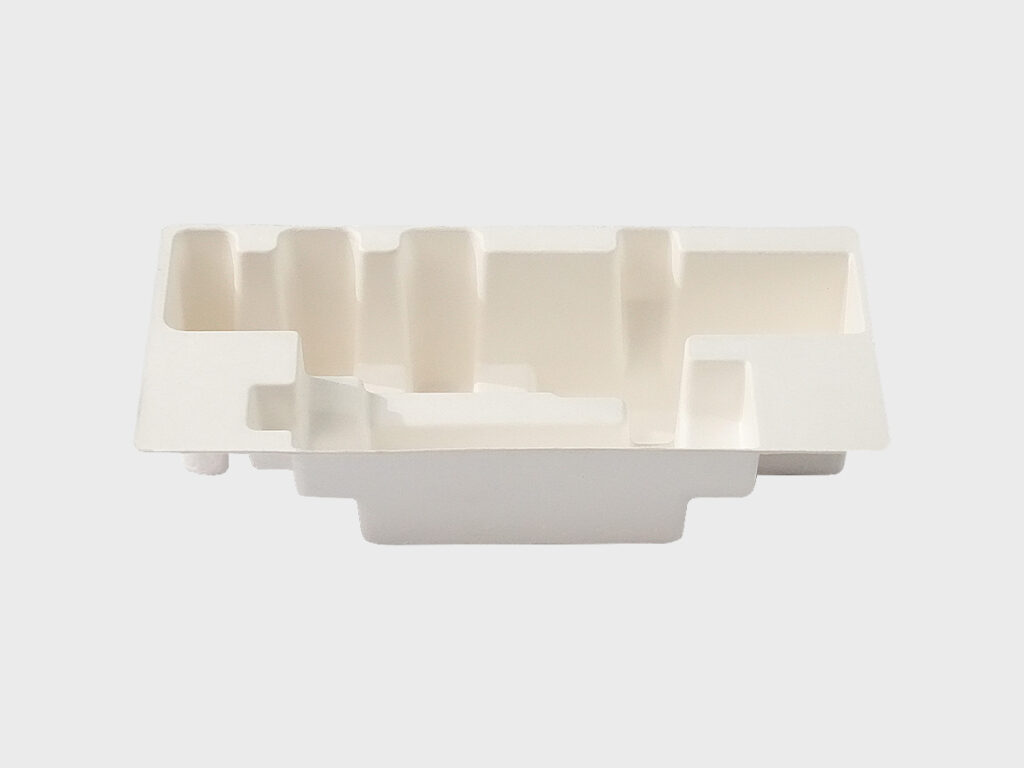
What Are the Characteristics of Molded Pulp, Schaum, and Plastic Inserts?
Molded pulp offers sustainable protection, foam delivers superior cushioning, and plastic provides rigid organization. The best choice depends on balancing performance, kosten, and end-of-life disposal.
Molded Pulp for Paper-Based Packaging
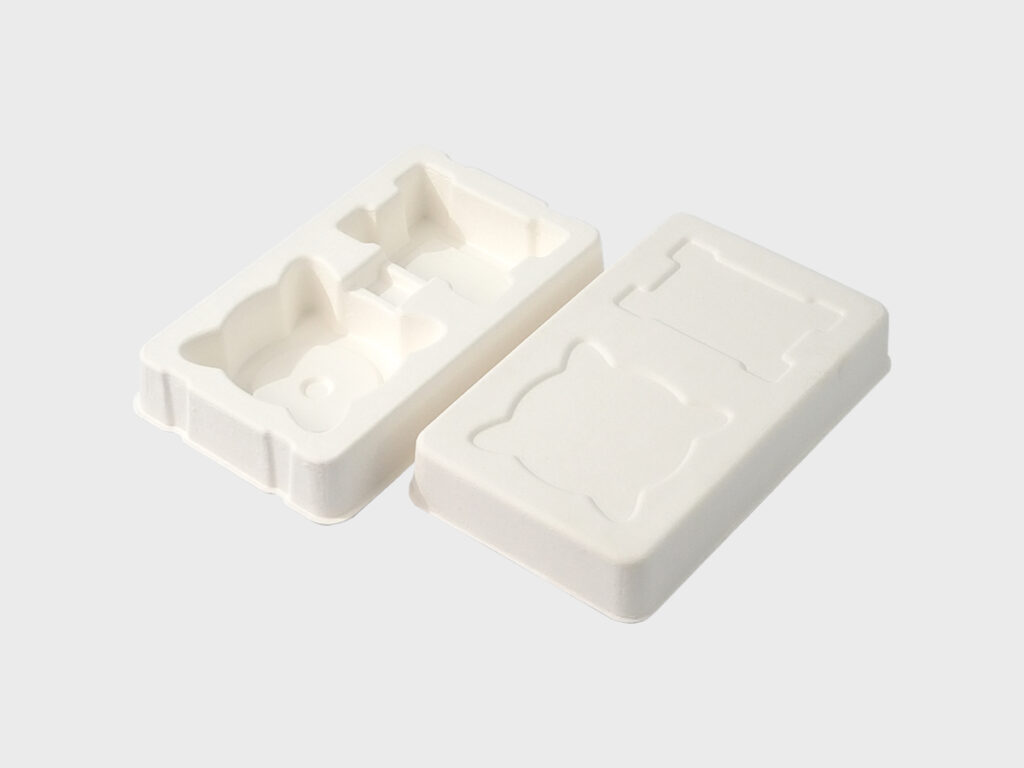
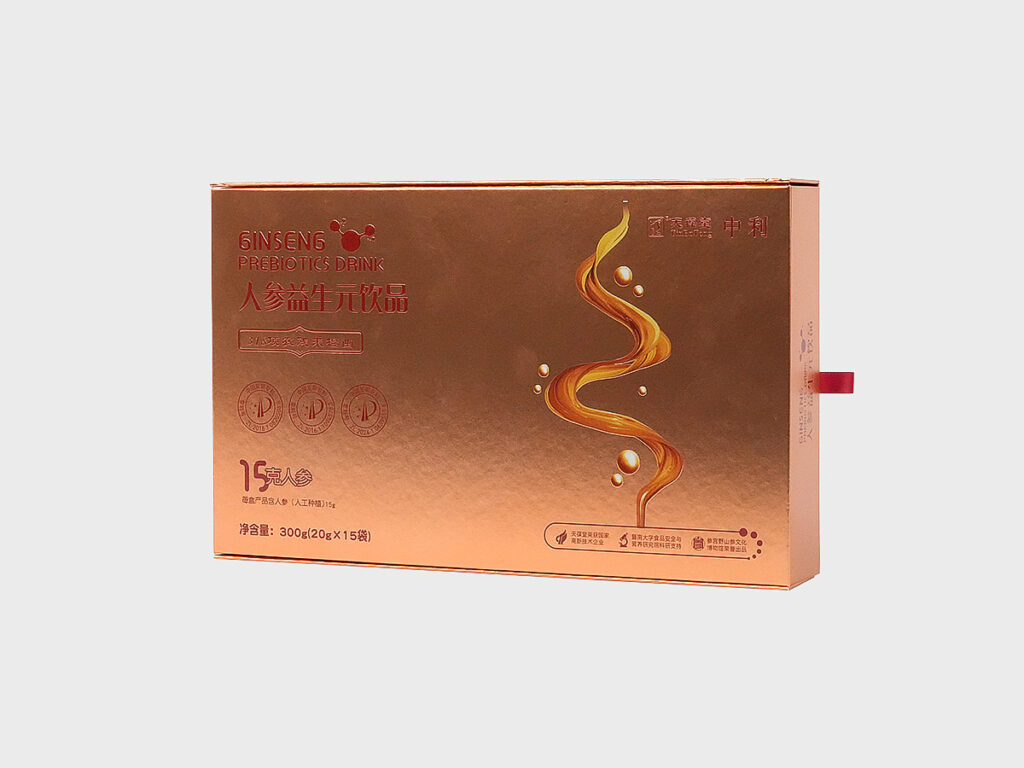
Molded pulp inserts are a go-to for brands focused on sustainability without sacrificing protection. Their characteristics make them a strong competitor to traditional plastic-based solutions.
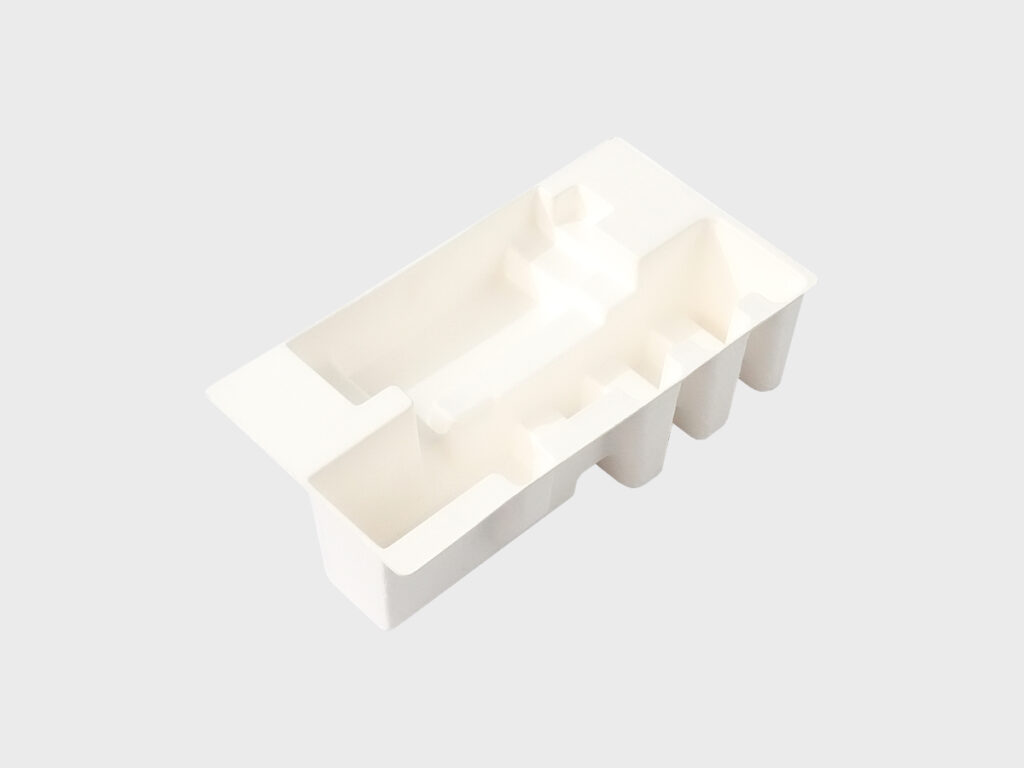
- Made from recycled paper or natural fibers like bagasse, molded pulp is curbside recyclable and compostable, integrating seamlessly into paper-based packaging systems.
- The manufacturing process forms the fiber slurry into custom 3D shapes. This structure provides excellent shock absorption and compressive strength to protect products during transit.
- Common applications include e-commerce shipments, trays for consumer electronics, and carriers for bottles and jars where both cushioning and a secure fit are necessary.
- It is available in several grades, from rough, thick-wall pulp for industrial parts to smooth-surfaced thermoformed pulp used in premium retail packaging for a refined presentation.
Foam and Plastic for Internal Product Support
Foam and plastic inserts have long been the standard for certain applications, but their environmental footprint presents significant challenges, especially for single-use consumer packaging.
- Foam inserts, such as EPS and EPE, provide superior cushioning and are ideal for highly sensitive or fragile items. Their limited recyclability and pressure from regulations, Jedoch, are major drawbacks.
- Thermoformed plastic inserts offer rigid organization, a clean appearance, and high durability for reuse. This makes them well-suited for medical device trays or B2B logistics where cleanliness and multi-trip use are valued.
- Both materials create a disposal problem for the end consumer. They must be separated from the outer paper or corrugated box before the box can be recycled, complicating the waste stream.
- Due to corporate sustainability goals and consumer preferences, both foam and single-use plastic inserts are frequently being replaced by molded pulp alternatives to create a more cohesive and recyclable package.
Secure Packaging for Health Brands
How Do the Three Insert Materials Compare?
Foam provides superior shock absorption, molded pulp combines protective cushioning with sustainability, and plastic offers rigid, reusable organization. The best option depends on product protection, Aussehen, Anpassung, and production volume.
| Feature | Plastic Inserts | Foam Inserts | Molded Pulp Inserts |
|---|---|---|---|
| Schutz | Rigid support and secure product positioning. | Excellent shock absorption for fragile and high-value items. | Form-fitting cushioning against impact and vibration. |
| Aussehen | Sauber, precise, and technical. | Professional or premium, with customizable finishes. | Natürlich, textured, and eco-friendly appearance. |
| Anpassung | Thermoformed to fit specific product shapes. | Precision-cut cavities with adjustable density. | Custom-molded to match product dimensions and shapes. |
| Nachhaltigkeit | Recyclability depends on plastic type and local facilities. | Generally petroleum-based with limited recycling options. | Made from recycled paper or natural fibers; recyclable options available. |
| Kosten | Moderate tooling and production costs. | Higher cost for specialized protective applications. | Higher initial mold costs, with better unit economics at high volumes. |
| Best Applications | Reusable trays and medical components. | Elektronik, Glaswaren, and fragile products. | Gift boxes, Kosmetika, Elektronik, and premium retail packaging. |
Which Insert Material Fits Different Products?
Insert material choice is a direct trade-off. Electronics demand maximum protection from shock-absorbing foams, while gift and beauty products prioritize visual presentation with printable paperboards and luxury finishes.
Electronics and Fragile Products
For electronics and fragile goods, the insert’s primary goal is maximum protection. It must prevent damage from drops, Vibration, and compression during shipping. This non-negotiable requirement dictates the material and design choices, focusing on performance over pure aesthetics.
- Best Materials: High-density foams like EVA, EPE, and PU are the standard for superior shock absorption. Molded pulp offers a sustainable, high-cushioning alternative, while corrugated cardboard provides essential structural support.
- Design Focus: The design centers on creating precise, die-cut cavities. These features immobilize the product completely, preventing movement that could lead to surface damage like scratches or static buildup.
- Common Practice: Primary inserts are frequently used with secondary cushioning. Adding elements like EPE foam corners, air pillows, or honeycomb paper provides an extra layer of security for parcel shipping.
Gift, Schönheit, and Specialty Products
When packaging gifts, beauty items, or other specialty products, the insert’s role shifts. Hier, the focus is on aesthetics, Markenkommunikation, and creating a memorable unboxing experience. Protection is still necessary, but it is balanced with visual and tactile appeal.
- Best Materials: Printable paperboard and rigid board are ideal for direct branding. For a luxury touch, foam inserts with velvet or flocked finishes are used. Molded pulp also serves this market, providing a distinct eco-luxe aesthetic.
- Design Focus: The design emphasizes color, Textur, and the ability to print directly on the insert. Every element is chosen to align with the brand’s identity and enhance the product’s presentation.
- Common Practice: The challenge is to balance high visual and tactile appeal with adequate protection. The insert must secure items like glass bottles or cosmetic compacts while contributing to a premium feel.
How to Choose the Right Insert Material
Choosing an insert requires matching its material to the product’s needs and the outer box’s structure. It’s a balance of protection, Präsentation, Nachhaltigkeit, und Kosten.
Matching Material With Product Characteristics
The product itself dictates the starting point. An insert that works for a glass bottle will fail for a sensitive electronic device. Before looking at materials, you need to have a clear profile of your product’s physical demands.
- Assess product weight and fragility. Heavier or more fragile items demand high-cushioning materials like foam or molded pulp to absorb shock. Lighter, more robust products can get by with simpler paperboard or corrugated dividers that focus on separation.
- Consider surface sensitivity. If your product has a high-gloss finish, a screen, or polished metal, you need a non-abrasive insert. Materials like soft EVA foam or fabric-covered inserts prevent scratches and scuffs during transit.
- Evaluate product geometry to control movement. Irregular shapes and complex contours are best secured in custom-molded pulp or precision-cut foam cavities. Simpler items in multiples, like bottles or jars, work well with corrugated dividers to prevent them from colliding.
- Align the material with brand and sustainability goals. The insert is a key part of the unboxing experience. Molded pulp reinforces an eco-friendly message, while a velvet-wrapped foam insert signals luxury and a premium price point.
Matching Insert With the Outer Paper Box
An insert doesn’t work in isolation. It must be compatible with the outer box to create a functional packaging system. A great insert in the wrong box is just as ineffective as a bad insert.
- Pair the insert with the box type. Lightweight paperboard inserts are a natural fit for folding cartons. For corrugated shippers that face rough transit, use robust foam or molded pulp. High-end rigid boxes should be paired with premium foam or fabric-covered trays.
- Ensure dimensional compatibility. The insert must fit snugly inside the box without bowing the walls or leaving gaps. You have to account for the manufacturing tolerances of both the insert and the box to guarantee a consistent fit from one unit to the next.
- Align materials to simplify consumer disposal. Pairing a paper-based insert (like corrugated, Pappe, or molded pulp) with a paper box creates an “all-paper” system. This makes it easier for the end customer to recycle the entire package in a single bin.
- Balance the cost structure. The total cost of the insert and the outer box needs to make sense for the product’s price. This can range from a cost-effective corrugated box with a simple corrugated insert to a high-end rigid box with a fabric-lined foam insert.
Letzte Gedanken
Foam still earns its place where extreme fragility is non-negotiable. Plastic holds value in multi-trip and medical trays. Molded pulp makes the strongest case for brands that need protection, Präsentation, and a recyclable pack in one system. Weigh cushioning performance, tooling economics, and end-of-life handling together rather than unit price alone, because the real cost surfaces in damage rates and returns.
Risun engineers molded pulp, Schaum, and paperboard inserts alongside the outer gift box, then validates them with your physical product. Share your specifications with our team and request prototype samples to confirm performance before full production.
Häufig gestellte Fragen
Is molded pulp better than foam for packaging inserts?
Molded pulp is generally better than foam when your priorities are sustainability, brand image, and aligning with new regulations. It works well for most products that are not extremely fragile. Foam is still the better choice for maximum shock absorption, such as for ultra-fragile electronics, optics, or items that need a very precise, tight-fitting cushion.
Can molded pulp inserts replace foam inserts?
Ja, molded pulp can replace foam inserts in many situations, especially for consumer goods, e-commerce, and gift packaging where sustainability is a priority. It is not a complete substitute for foam when packaging extremely fragile, high-value, or moisture-sensitive products that require the highest level of shock protection.
Are molded pulp inserts protective enough?
Ja, molded pulp inserts provide moderate to high protection for most light-to-medium weight products when they are engineered correctly. The formed fibrous material absorbs shock and holds products firmly in place, making it a reliable protective solution for electronics, Kosmetika, glass bottles, and other consumer goods.
Which packaging insert is the most sustainable?
Fiber-based materials are the most sustainable packaging inserts. Geformter Zellstoff, which is often made from 100% recycled paper, is a top choice because it is recyclable, kompostierbar, and biodegradable. Paperboard and corrugated inserts are also highly sustainable options, especially for lighter products.
Which insert is best for packaging electronics?
The best insert for electronics depends on the product’s fragility and your brand’s goals. Custom-cut foam (like EVA or PE) offers the maximum level of shock protection and is ideal for very fragile, high-value devices. Molded pulp is an excellent sustainable alternative that provides high levels of cushioning and is fully recyclable, making it a popular choice for many consumer electronics.
How do I choose the right packaging insert?
Start by evaluating your product’s fragility, Gewicht, and shape. Nächste, consider your brand’s priorities, such as sustainability, Unboxing-Erlebnis, und Budget. Match these needs to a material: foam for maximum protection, molded pulp for sustainable cushioning, and plastic for rigid organization. Always test your final packaging choice to ensure it protects your product during shipping.