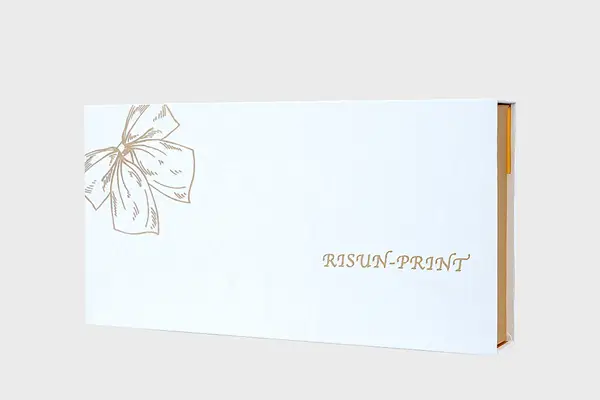
La selezione del materiale per scatole di cibo è una decisione critica che ha un impatto diretto sull’integrità del prodotto, reputazione del marchio, e conformità normativa. La scelta di un materiale incompatibile porta a un imballaggio non riuscito, con conseguenti reclami da parte dei clienti, potenziali rischi per la salute, e costosa perdita di prodotto.
Questa guida definisce i parametri di riferimento del cartone, ondulato, e fibre compostabili rispetto agli standard del settore. Valutiamo le proprietà barriera di ciascun materiale, integrità strutturale, e tolleranza al calore per fornire un quadro chiaro per la scelta di imballaggi che garantiscano la sicurezza alimentare e proteggano i margini.
Perché la scelta dei materiali è importante per le scatole per alimenti
La scelta del materiale per le scatole degli alimenti è una decisione strategica. Ha un impatto diretto sulla sicurezza alimentare, integrità del prodotto, reputazione del marchio, e conformità normativa.
Mantiene l'integrità e la presentazione del prodotto
Il materiale giusto fornisce la resistenza e la rigidità necessarie per proteggere i prodotti alimentari durante la conservazione, trasporto, e gestione della vendita al dettaglio. Una scatola ben progettata aiuta a prevenire problemi come la deformazione, danno superficiale, o durata ridotta, garantire che i prodotti arrivino in buone condizioni lungo tutta la catena di fornitura.
Anche il packaging gioca un ruolo importante nella presentazione del prodotto. La qualità della superficie del materiale, stampabile, e la compatibilità delle finiture influiscono direttamente sul modo in cui i marchi comunicano il loro valore sugli scaffali o durante le esperienze di unboxing. Una scatola ben stampata e strutturalmente stabile aiuta a creare un aspetto professionale e rafforza la fiducia del cliente.
Per i marchi alimentari, selezionare i materiali adatti significa bilanciare la protezione, appeal visivo, e requisiti di produzione. La giusta combinazione di cartone, rivestimenti, e il design strutturale consente al packaging di funzionare in modo affidabile supportando al tempo stesso l’immagine complessiva del marchio.
Modella la percezione del marchio e l'esperienza del cliente
Una scatola di cibo è un pezzo tangibile del tuo marchio che i clienti tengono tra le mani. Funziona come un cartellone pubblicitario fisico, comunicare l’impegno del tuo marchio per la qualità, igiene, e valori complessivi prima ancora che il cliente veda il cibo.
La sensazione, Aspetto, e la progettazione strutturale della scatola influenzano fortemente il modo in cui i clienti ne percepiscono il valore. Un robusto, la scatola pulita con una chiusura soddisfacente è premium e igienica. Un fragile, la scatola unta suggerisce che i contenuti potrebbero anche essere di bassa qualità o non sicuri.
Affronta la sostenibilità e la conformità normativa
Il materiale scelto determina la storia di fine vita dell’imballaggio. Determina se la scatola è destinata alla discarica o se può essere facilmente riciclata o compostata. Questa decisione influenza direttamente l’impronta ambientale della tua azienda.
La scelta di materiali di imballaggio ecologici come le opzioni riciclabili o compostabili trova riscontro in una base crescente di consumatori attenti all’ambiente. Questo allineamento di valori può aumentare significativamente la fedeltà alla marca e fungere da potente elemento di differenziazione in un mercato affollato.
Materiali comuni utilizzati per le scatole degli alimenti
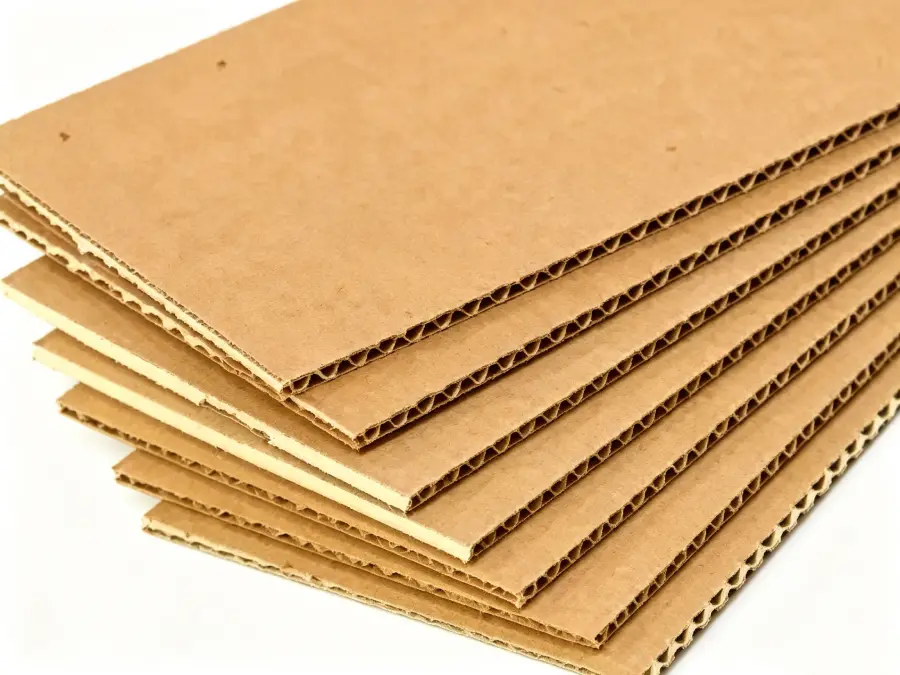
Il materiale di una scatola per alimenti gioca un ruolo importante nel determinare la resistenza dell'imballaggio, aspetto visivo, qualità di stampa, e prestazioni di sostenibilità. Diversi materiali a base cartacea e soluzioni strutturali vengono selezionati in base ai requisiti del prodotto, posizionamento del marchio, e applicazione di imballaggio.
Cartone e cartoncino
Il cartone è uno dei materiali più utilizzati per scatole per imballaggio alimentare personalizzate, soprattutto per i marchi che richiedono una forte presentazione visiva e una struttura affidabile. La sua superficie liscia fornisce una base eccellente per la stampa di alta qualità, rendendolo adatto per l'imballaggio al dettaglio, scatole per alimenti in stile regalo, e confezionamento dei prodotti di marca.
- Tipi di materiali: Le opzioni comuni includono il solfato sbiancato solido (SBS) per imballaggi premium con una superficie bianca pulita, Lavagna bianca patinata per effetti di stampa vivaci, e cartone kraft per i marchi che cercano un aspetto naturale e sostenibile.
- Applicazioni comuni: Il cartone è comunemente usato per i cartoni pieghevoli, scatole da forno, confezione di snack, scatole di dolciumi, e altre soluzioni personalizzate di imballaggio per alimenti e bevande.
- Proprietà barriera: Il cartone standard ha una resistenza limitata all'umidità e al grasso. Per migliorare la durabilità, i produttori di imballaggi possono applicare rivestimenti o laminazioni in base ai requisiti del prodotto, come il rivestimento opaco, rivestimento lucido, o finiture con barriera protettiva.
- Valore del marchio: La superficie liscia del cartone supporta una grafica dettagliata, stampa ad alta risoluzione, e varie tecniche di finitura come la stampa a caldo, goffratura, e rivestimento UV per migliorare l'attrattiva sullo scaffale.
Pannello di fibra ondulato
Il cartone ondulato è ampiamente utilizzato quando l'imballaggio richiede ulteriore resistenza e protezione durante il trasporto e lo stoccaggio. La sua struttura a strati offre eccellenti prestazioni di ammortizzazione pur mantenendo un design leggero.
- Costruzione: Il cartone ondulato è costituito da uno strato di carta scanalata posto tra uno o due fogli di rivestimento. Questa struttura migliora la resistenza alla compressione e aiuta a proteggere i prodotti confezionati durante la movimentazione e la distribuzione.
- Usi primari: È comunemente usato per la spedizione di cartoni, imballaggio esterno, imballaggi per alimenti sfusi, e soluzioni di imballaggio protettivo che richiedono un supporto strutturale più forte.
- Vantaggio logistico: L'eccellente resistenza all'impilamento delle scatole di cartone ondulato le rende adatte allo stoccaggio in magazzino, trasporto su pallet, e spedizioni a lunga distanza.
- Opzioni di personalizzazione: Sebbene l'imballaggio in cartone ondulato si concentri sulla protezione, può anche supportare la stampa personalizzata, elementi di marchio, e progetti strutturali per migliorare la presentazione del prodotto.
Materiali e inserti sostenibili a base di carta
Poiché i marchi prestano maggiore attenzione al packaging sostenibile, i materiali a base di carta e le soluzioni in fibra modellata stanno diventando alternative popolari per ridurre l’utilizzo di plastica mantenendo la protezione del prodotto.
- Inserti in fibra modellata: Realizzato con materiali in fibra rinnovabile come la pasta di carta riciclata, gli inserti in fibra stampata possono essere personalizzati per adattarsi a diversi prodotti e fornire protezione ammortizzante. Sono comunemente utilizzati come supporti interni per imballaggi di alimenti e bevande, scatole regalo, e altre applicazioni di imballaggio premium.
- Opzioni di carta ecologica: Cartone Kraft, materiali cartacei riciclati, e altre soluzioni di carta sostenibili consentono ai marchi di creare imballaggi dall’aspetto più naturale, sostenendo al contempo gli obiettivi ambientali.
- Considerazioni sulle prestazioni: I materiali sostenibili dovrebbero essere selezionati in base ai requisiti del prodotto, struttura dell'imballaggio, e il livello di protezione atteso. La combinazione di materiali adatti con un design adeguato aiuta a raggiungere un equilibrio tra sostenibilità, durabilità, e aspetto.
- Applicazioni: Queste soluzioni sono ampiamente utilizzate nel confezionamento di alimenti e bevande, confezioni regalo e vino, confezioni di cosmetici, e altri settori che richiedono sia protezione che un'esperienza di unboxing migliorata.
Imballaggi alimentari di alta qualità che proteggono & Presenta.
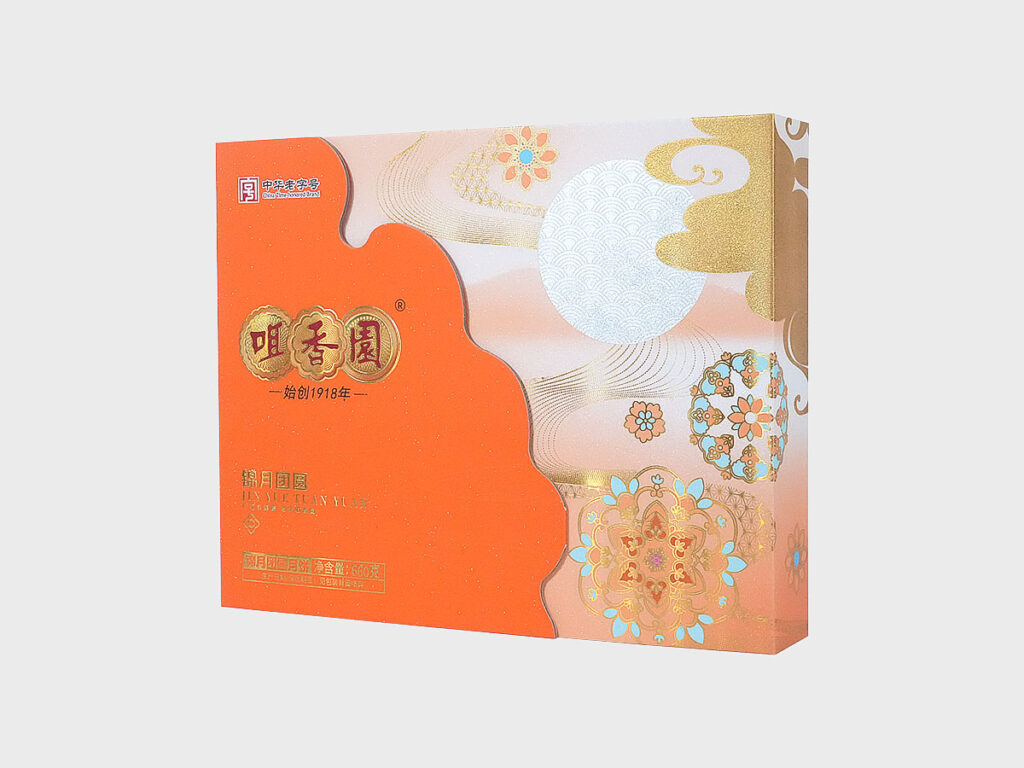
Standard di qualità e considerazioni sulla conformità
La qualità della scatola del cibo non dipende solo dall'aspetto finale. Richiede un controllo materiale coerente, processi produttivi precisi, controlli di qualità affidabili, e capacità produttive stabili per garantire che l’imballaggio soddisfi le aspettative del marchio.
Controllo dei materiali e coerenza della produzione
La qualità affidabile degli imballaggi inizia con una gestione efficace dei materiali e processi di produzione standardizzati. Un produttore di imballaggi professionale dovrebbe mantenere specifiche coerenti dalle materie prime ai prodotti finiti.
- Le materie prime devono essere ispezionate e gestite secondo specifiche approvate per garantire una qualità stabile tra diversi lotti di produzione.
- Procedure di produzione coerenti aiutano a ridurre al minimo le variazioni nella stampa, struttura, e prestazioni di finitura.
- Chiari standard di qualità consentono ai produttori di mantenere lo stesso aspetto e le stesse prestazioni dell'imballaggio per ordini ripetuti.
- Una corretta gestione dei materiali aiuta a ridurre i rischi di produzione e migliora l’affidabilità complessiva dell’imballaggio.
Precisione di stampa e controllo qualità
Per imballaggi alimentari di marca, la qualità di stampa influisce direttamente sulla presentazione del prodotto e sulla percezione del cliente. Il rigoroso controllo della produzione aiuta a garantire che l'imballaggio mantenga un aspetto professionale.
- Precisione del colore, chiarezza dell'immagine, e i dettagli del design dovrebbero essere attentamente monitorati durante tutto il processo di stampa.
- Le apparecchiature automatizzate e le procedure di ispezione aiutano a identificare problemi come errori di stampa, deviazioni di taglio, o difetti di finitura.
- L'approvazione del campione prima della produzione di massa consente ai marchi di confermare l'aspetto e le specifiche finali dell'imballaggio.
- I controlli di qualità durante ogni fase di produzione aiutano a fornire risultati coerenti per ordini di grandi volumi.
Progettazione strutturale e capacità di produzione
Oltre l'apparenza visiva, le scatole per alimenti necessitano di strutture affidabili che supportino la protezione del prodotto e una movimentazione efficiente. I produttori di imballaggi professionali combinano l'esperienza di progettazione con le capacità di produzione per creare soluzioni pratiche.
- Le strutture delle scatole dovrebbero essere sviluppate in base alle dimensioni del prodotto, peso, e requisiti di imballaggio.
- La prototipazione aiuta a verificare il design, funzionalità, e l'aspetto prima della produzione su vasta scala.
- Soluzioni personalizzate come gli inserti, disegni di finestre, e strutture speciali possono migliorare la presentazione e la protezione del prodotto.
- Le capacità di produzione integrate contribuiscono a garantire un coordinamento più fluido dallo sviluppo del progetto alla produzione finale.
Gestione della qualità e affidabilità della fornitura
Una fornitura stabile di imballaggi richiede sistemi di gestione della qualità efficaci e team di produzione esperti. Lavorare con un partner di imballaggio affidabile aiuta i marchi a mantenere una qualità costante e un’efficienza produttiva.
- I sistemi di gestione della qualità supportano flussi di lavoro standardizzati e il miglioramento continuo.
- I registri di produzione e le specifiche degli ordini aiutano a garantire la coerenza per i futuri progetti ripetuti.
- I produttori esperti possono fornire supporto durante tutta la progettazione, campionamento, stampa, e produzione di massa.
- Forti capacità di produzione aiutano i marchi a gestire ordini più grandi mantenendo la qualità e l’affidabilità delle consegne.
Opzioni di materiali sostenibili
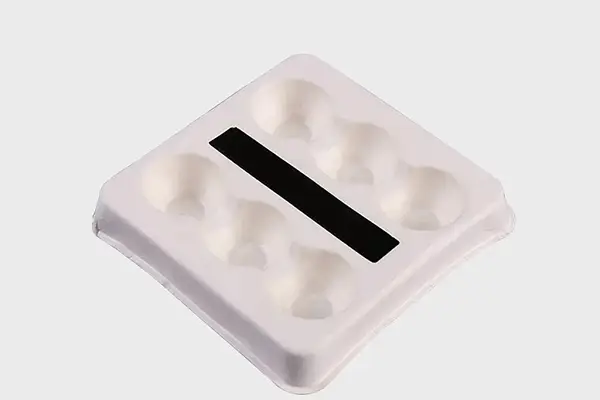
Le scatole per alimenti sostenibili si basano su fibre vegetali compostabili, carta riciclabile, bioplastiche, o materiali riutilizzabili come il vetro, ciascuno selezionato per specifici requisiti di prestazione e smaltimento.
Fibra vegetale e polpa modellata
Questa categoria comprende materiali realizzati con sottoprodotti agricoli come la bagassa di canna da zucchero, paglia di grano, e fibre di bambù. Queste risorse rinnovabili sono modellate in modo rigido, contenitori resistenti al calore come le conchiglie, ciotole, e scatole per pasti. La loro struttura li rende adatti a tenere caldo, Bagnato, e cibi grassi, e sono spesso adatti al microonde. Progettato pensando alla fine del ciclo di vita, questi prodotti sono tipicamente commercialmente compostabili, scomposizione in materia organica negli impianti industriali.
Carta, Kraft, e Cartone
Proveniente da pasta di legno rinnovabile, carta e cartone sono elementi fondamentali negli imballaggi alimentari e sono spesso disponibili con un elevato contenuto riciclato. Questi materiali sono ampiamente utilizzati per le scatole da forno, scatole per pizza, e contenitori da asporto pieghevoli. Se mantenuto pulito e privo di rivestimenti in plastica, possono essere riciclati nella maggior parte dei flussi di carta. Per migliorare le prestazioni senza compromettere il loro profilo ambientale, molte scatole di carta ora utilizzano rivestimenti in dispersione resistenti al grasso, che aiutano a gestire gli oli mantenendo la riciclabilità o la compostabilità.
Bioplastiche come PLA e amido di mais
Le bioplastiche derivano da fonti vegetali come l’amido di mais o la canna da zucchero, offrendo una sensazione simile alla plastica con un'origine rinnovabile. Sono spesso utilizzati per applicazioni trasparenti come scatole per insalata, coppe da dessert, e coperchi dove la visibilità del prodotto è importante. La bioplastica più comune, PLA (Acido Polilattico), richiede che gli impianti di compostaggio industriale si biodegradino in modo efficace e ha una tolleranza al calore inferiore rispetto alla plastica convenzionale, rendendolo migliore per cibi freddi o ambientali.
Pellicole a base di cellulosa e design per finestre
Le pellicole trasparenti in cellulosa possono essere utilizzate come alternativa eco-consapevole per le finestre in plastica nelle scatole per imballaggio alimentare personalizzate. Queste finestre trasparenti consentono ai clienti di visualizzare il prodotto all'interno mantenendo l'attrattiva visiva generale e gli obiettivi di sostenibilità della confezione.
Per i marchi che desiderano creare imballaggi più responsabili dal punto di vista ambientale, i materiali a base di cellulosa possono essere combinati con strutture di cartone e design di scatole personalizzate per migliorare la presentazione del prodotto. La soluzione di imballaggio finale dovrebbe bilanciare l'aspetto, durabilità, requisiti di stampa, e gli obiettivi di sostenibilità del marchio.
Confronto tra diversi materiali per le scatole degli alimenti
Il giusto materiale per la scatola degli alimenti previene le perdite, protegge durante il parto, e mette in mostra il tuo prodotto. La scelta tra carta, plastica, o la fibra dipende interamente dal cibo e dal suo viaggio.
| Famiglia di materiali | Punti di forza chiave | Principali limitazioni | Ideale per |
|---|---|---|---|
| Cartone & Ondulato | Eccellente qualità di stampa, superficie liscia, aspetto premium, e compatibilità con varie tecniche di finitura. | Richiede rivestimenti o laminazioni aggiuntivi quando è necessaria una maggiore resistenza all'umidità o al grasso. | Imballaggi alimentari al dettaglio, scatole da forno, confezionamento di dolciumi, e scatole per alimenti di marca premium. |
| Cartone Kraft | Aspetto naturale, immagine riciclabile, struttura leggera, e adatto a marchi che enfatizzano la sostenibilità. | La superficie marrone può limitare la brillantezza del colore rispetto ai pannelli rivestiti di bianco. | Imballaggio per alimenti biologici, scatole per snack, confezionamento di prodotti da forno, e linee di prodotti ecologici. |
| Pannello di fibra ondulato | Forte prestazione strutturale, eccellente resistenza all'impilamento, e protezione affidabile durante il trasporto. | Meno adatto per presentazioni di vendita al dettaglio di fascia alta senza stampa e trattamenti superficiali aggiuntivi. | Cartoni per la spedizione, imballaggio esterno, imballaggi per alimenti sfusi, e prodotti che richiedono una protezione aggiuntiva. |
Cartone e cartone ondulato
I materiali a base di carta sono tra le scelte più utilizzate per l'imballaggio alimentare personalizzato perché offrono un equilibrio tra appeal visivo, prestazione strutturale, e flessibilità produttiva. Per imballaggi di alta qualità per la vendita al dettaglio, come ad esempio i prodotti da forno, dessert, e scatole di specialità alimentari, Solfato sbiancato solido (SBS) il cartone viene spesso scelto per la sua superficie liscia e le eccellenti prestazioni di stampa.
Per i brand che cercano un aspetto naturale, Il cartone kraft offre un aspetto rustico e rispettoso dell'ambiente pur mantenendo una buona resistenza dell'imballaggio. Quando è necessaria una protezione aggiuntiva durante lo stoccaggio e il trasporto, il cartone ondulato offre un supporto strutturale più forte grazie alla sua costruzione a strati.
La considerazione principale per gli imballaggi a base di carta è la scelta della giusta struttura del materiale e del trattamento superficiale. Rivestimenti, laminazioni, e le tecniche di finitura possono migliorare la durabilità migliorando al tempo stesso l'aspetto generale della confezione.
Cartone Kraft e opzioni sostenibili
Il cartone Kraft è diventato una scelta popolare per i marchi che desiderano creare imballaggi dall'aspetto naturale e sostenibile. La sua consistenza e il suo colore unici aiutano a comunicare un'immagine di marchio rispettosa dell'ambiente pur mantenendo una resistenza sufficiente per varie applicazioni di imballaggio alimentare.
Oltre ai materiali kraft, il cartone riciclato e altre opzioni sostenibili basate sulla carta offrono più scelte ai marchi che sviluppano soluzioni di imballaggio responsabili dal punto di vista ambientale. Tuttavia, la selezione del materiale dovrebbe considerare fattori come i requisiti di stampa, esigenze strutturali, e l'esperienza del cliente desiderata.
Per le aziende che cercano di bilanciare la sostenibilità con una presentazione premium, La combinazione di materiali cartacei idonei con una progettazione strutturale ottimizzata e tecniche di stampa può creare imballaggi funzionali e visivamente accattivanti.
Materiali a base di carta patinata e speciale
I trattamenti superficiali e i materiali cartacei speciali consentono alle scatole per alimenti di ottenere una maggiore durata e un impatto visivo più forte. A seconda delle esigenze di imballaggio, i produttori possono applicare rivestimenti, laminazioni, o altri processi di finitura per migliorare la protezione e l'aspetto della superficie.
Le opzioni comuni includono la laminazione opaca, rivestimento lucido, Rivestimento UV, goffratura, Stamping in lamina, e finiture UV spot. Queste tecniche non solo migliorano l’aspetto del packaging, ma aiutano anche i marchi a creare una presenza più forte sugli scaffali dei negozi.
Per imballaggi alimentari personalizzati, la giusta combinazione di materiali, metodo di stampa, e il processo di finitura aiuta a raggiungere l'equilibrio desiderato tra la protezione, estetica, ed efficienza produttiva.
Come scegliere il materiale giusto
Selezionare il materiale giusto per la scatola degli alimenti non significa scegliere l'opzione più costosa, ma di trovare il miglior equilibrio tra i requisiti di imballaggio, posizionamento del marchio, e obiettivi di produzione. Considera i seguenti fattori:
- Definire lo scopo dell'imballaggio. Determina se la priorità è la presentazione al dettaglio, protezione del trasporto, sostenibilità, o una combinazione di questi fattori.
- Abbina il materiale ai requisiti del prodotto. Il cartone leggero può funzionare bene per le scatole per alimenti al dettaglio, mentre le strutture ondulate sono più adatte per i prodotti che richiedono una protezione più forte.
- Considera le esigenze di stampa e finitura. I marchi premium possono trarre vantaggio da materiali che supportano la stampa di alta qualità, Stamping in lamina, goffratura, o altre finiture decorative.
- Valutare gli obiettivi di sostenibilità. Scegli materiali e metodi di produzione in linea con gli obiettivi ambientali del tuo marchio mantenendo le prestazioni dell'imballaggio.
Scegliere il giusto partner per l'imballaggio
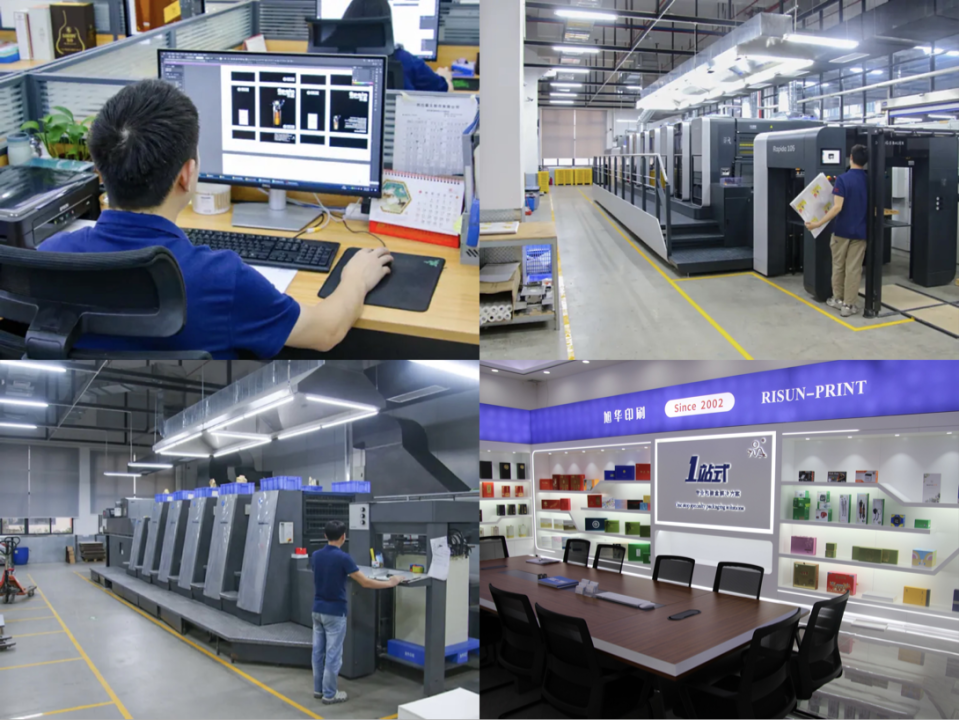
Selezionando un produttore di scatole per alimenti è una decisione fondamentale per la sicurezza alimentare, non solo un compito di procurement. La loro conformità e i loro sistemi di qualità incidono direttamente sull’integrità del tuo prodotto.
Conformità normativa e certificazioni di sicurezza alimentare
Il tuo partner per l'imballaggio è un'estensione del tuo sistema di sicurezza alimentare. La loro conformità è la tua conformità. Prima di firmare qualsiasi contratto, è necessario vedere prove concrete che soddisfino tutti gli standard non negoziabili.
- Qualità & Certificazioni di conformità: Confermare che il fornitore possieda le certificazioni di gestione della qualità pertinenti come ISO 9001, applica rigorosamente gli standard del sito GMP, e fornisce rapporti completi sui test di conformità dei materiali (come i test di migrazione SGS o FDA) per garantire la sicurezza e le prestazioni dell'imballaggio.
- Buone pratiche di produzione (GMP): Richiedere la documentazione che dimostri l'adesione alle GMP, come delineato in quadri normativi come il regolamento (CE) 2023/2006. Questo riguarda l'igiene, controllo dei parassiti, e controlli di processo.
- Sistemi di tracciabilità: Garantire che il partner disponga di un solido sistema di tracciabilità a livello di lotto per tutte le materie prime, dal cartone fino all'adesivo. Ne avrai bisogno se mai dovesse verificarsi un richiamo.
Competenza tecnica e capacità materiali
Un buon partner comprende la scienza dietro la scatola. Dovrebbero funzionare come consulenti tecnici, non solo un acquirente di ordini. Controlla la loro capacità di abbinare i materiali al tuo prodotto specifico per prevenire guasti costosi come perdite o contaminazione.
- Conoscenza dei materiali e dei rivestimenti: Valutare la loro esperienza nei cartoni per uso alimentare e, cosa ancora più importante, rivestimenti barriera funzionali. Devono sapere quali rivestimenti bloccano il grasso dei cibi fritti o impediscono all'umidità di indebolire la scatola.
- Sicurezza dei componenti: Conferma che utilizzano inchiostri a bassa migrazione e adesivi adatti agli alimenti. L'inchiostro sbagliato può trasferirsi al cibo, soprattutto con prodotti grassi o piccanti. Questo è un dettaglio fondamentale.
- Capacità di progettazione strutturale: Valuta la loro capacità di progettare una scatola che regga. Ciò include sopravvivere ai rigori della catena di approvvigionamento, dalle linee di riempimento automatizzate all'impilamento in un veicolo di consegna.
- Esperienza specifica per categoria: Controlla se hanno esperienza con la tua categoria alimentare. Le esigenze dei pasti surgelati sono molto diverse da quelle dei prodotti da forno freschi o degli snack a scaffale. Un partner che conosce già il tuo tipo di prodotto è una risorsa importante.
Gestione della Qualità e Controlli di Processo
La coerenza è tutto nel confezionamento degli alimenti. Un singolo lotto di scatole difettoso può portare alla perdita del prodotto, reclami dei clienti, o anche un richiamo. Un partner qualificato avrà documentato, processi verificabili per garantire che ogni scatola soddisfi le specifiche.
- Procedure interne di QA: Rivedere il loro programma di garanzia della qualità. Come controllano le materie prime in entrata? Quali controlli in-process eseguono? Come testano i prodotti finiti prima della spedizione?
- Piano HACCP: Chiedi di vedere la loro analisi dei rischi e i punti critici di controllo (HACCP) piano. Questo ti mostrerà come identificano e mitigano rischi come la migrazione di sostanze chimiche o la contaminazione da corpi estranei durante la produzione.
- Processo di controllo delle modifiche: Comprendere il loro processo formale per eventuali modifiche ai materiali o alla produzione. Se passano a un nuovo fornitore di adesivo o carta, devi sapere a riguardo e cosa hanno fatto per convalidare la modifica.
- Ambiente controllato: Confermare che il loro impianto di produzione sia controllato per prevenire la contaminazione incrociata. Gli imballaggi a contatto con gli alimenti dovrebbero essere prodotti in modo separato, aree pulite, lontano da materiali non alimentari.
Adattamento operativo e integrazione della catena di fornitura
Anche un fornitore tecnicamente competente può essere la scelta sbagliata se le sue operazioni non sono in linea con le tue. Il passaggio finale consiste nel valutare se possono integrarsi perfettamente nella catena di fornitura e supportare le esigenze aziendali man mano che si cresce.
- Capacità e tempi di consegna: Valutare la loro capacità produttiva. Possono gestire il tuo volume attuale e ampliarlo per la crescita futura? I loro tempi di consegna sono compatibili con la pianificazione della produzione e la strategia di inventario?
- Etichettatura e supporto dati: Verifica che possano gestire le tue esigenze di stampa per dati variabili come i codici a barre, codici batch, pannelli nutrizionali, e avvertenze sugli allergeni. Ciò è essenziale per la conformità e la tracciabilità.
- Flessibilità e Agilità: Discutere il loro processo di gestione delle modifiche alla progettazione o dell'introduzione di nuovi prodotti. Quanto velocemente possono realizzare prototipi e primi cicli di produzione? Un partner lento può ostacolare la tua velocità di immissione sul mercato.
- Allineamento logistico: Comprendere i loro processi di consegna e logistica. Consegnano su pallet adatti al tuo sistema di stoccaggio? Possono soddisfare i tuoi programmi di ricezione? Una mancata corrispondenza in questo caso può creare colli di bottiglia nelle tue operazioni.
Domande frequenti
Quali materiali vengono utilizzati per le scatole per alimenti?
Le scatole per alimenti sono comunemente realizzate con materiali a base di carta selezionati per prestazioni strutturali, qualità di stampa, e presentazione del marchio. Le opzioni più diffuse includono il cartone SBS per imballaggi di alta qualità, cartone kraft per un aspetto naturale, cartoncino bianco patinato per una stampa vivace, e cartone ondulato per una maggiore protezione durante il trasporto. Il materiale giusto dipende dai requisiti del prodotto, struttura dell'imballaggio, esigenze di stampa, e l'esperienza di marca desiderata.
Le scatole di carta per alimenti sono sicure??
SÌ, le scatole per alimenti in carta sono sicure per l'uso previsto se realizzate con materiali per uso alimentare conformi ai limiti normativi sulla migrazione chimica. La loro sicurezza dipende dall'utilizzo per il tipo di alimento corretto (per esempio., secco contro. grasso) e le condizioni di temperatura per le quali sono stati progettati.
Cos'è l'imballaggio per alimenti?
Gli imballaggi per uso alimentare si riferiscono a materiali e contenitori sicuri per il contatto diretto con gli alimenti. Non devono trasferire sostanze nocive all'alimento o influenzarne negativamente la composizione, gusto, o odore, in conformità con le normative come quelle della FDA o dell'UE.
Le scatole di carta patinata sono riciclabili?
A volte, ma non sempre. La riciclabilità delle scatole per alimenti in carta patinata dipende dalla capacità dell'impianto di riciclaggio locale di trattare il rivestimento specifico (come PE o PLA) e separarlo dalla fibra di carta. Le scatole molto sporche di cibo generalmente non sono riciclabili.
Qual è il miglior imballaggio per i prodotti alimentari?
Non esiste un unico imballaggio “migliore” per tutti i prodotti alimentari. La scelta ottimale dipende dal cibo specifico, che richiedono un equilibrio di sicurezza, requisiti di durata di conservazione, protezione fisica durante il trasporto, esigenze di branding, costo, e sostenibilità.
In che modo le scatole per alimenti proteggono i prodotti?
Le scatole per alimenti proteggono i prodotti attraverso una combinazione di protezione fisica da impatto e compressione, protezione barriera contro umidità e contaminanti, controllo della temperatura per prodotti refrigerati o congelati, e caratteristiche di sicurezza come sigilli anti-manomissione.
Quali certificazioni sono necessarie per le scatole alimentari?
Le certificazioni chiave includono la conformità alle normative sulla sicurezza del contatto alimentare (come gli standard FDA o UE), certificazioni per il sistema di gestione della sicurezza alimentare dello stabilimento di produzione (come BRCGS o FSSC 22000), e spesso certificazioni di sostenibilità come FSC per i materiali a base cartacea.
È possibile personalizzare le scatole per alimenti?
SÌ, le scatole per alimenti sono altamente personalizzabili in termini di dimensioni, forma, materiale, stampa, e caratteristiche funzionali come finestre o maniglie. Tuttavia, tutti i materiali personalizzati, inchiostri, e i rivestimenti devono comunque essere conformi alle normative sulla sicurezza del contatto alimentare per il mercato di riferimento.
Cosa influenza il costo dell’imballaggio alimentare?
I fattori principali che influiscono sul costo dell’imballaggio alimentare sono la scelta dei materiali, volume di produzione (dimensione dell'ordine), complessità progettuale, metodi di stampa e finiture, e logistica. Prezzi delle materie prime, come per pasta di carta e resine plastiche, svolgono anche un ruolo significativo.
Come dovrei selezionare i materiali per l'imballaggio degli alimenti??
La selezione dei materiali richiede il bilanciamento di diversi criteri chiave: sicurezza a contatto con gli alimenti e conformità normativa, compatibilità con il tipo di alimento (per esempio., umidità, contenuto di grassi), durata di conservazione richiesta, resistenza meccanica per il trasporto, e obiettivi di sostenibilità come la riciclabilità.
Considerazioni finali
La scelta dei materiali per l’imballaggio degli alimenti richiede un bilanciamento della protezione del prodotto, presentazione visiva, requisiti di conformità, ed efficienza produttiva. Lavorare con un produttore di imballaggi esperto può aiutare i marchi a selezionare i materiali adatti, ottimizzare la progettazione strutturale, e creare soluzioni di imballaggio che supportino il successo del prodotto a lungo termine.
Consigliamo una revisione delle specifiche per abbinare il tuo prodotto alimentare a quello corretto, materiale certificato dal nostro portafoglio. Contatta il nostro team tecnico per discutere della tua applicazione e richiedere campioni mirati da testare.