심벌 마크

Risunprint

심벌 마크

Risunprint

>

블로그

>

Food Box Materials Guide: How to Choose Safe and Sustainable Packaging

Food Box Materials Guide: How to Choose Safe and Sustainable Packaging

목차

Premium Customized Chocolate Boxes

The material selection for 음식 상자 is a critical decision that directly impacts product integrity, brand reputation, and regulatory compliance. Choosing an incompatible material leads to failed packaging, resulting in customer complaints, potential health hazards, and costly product loss.

This guide benchmarks paperboard, corrugated, and compostable fibers against industry standards. We evaluate each material’s barrier properties, 구조적 완전성, and heat tolerance to provide a clear framework for choosing packaging that ensures food safety and protects your margins.

Why Material Selection Matters for Food Boxes

Choosing a material for food boxes is a strategic decision. It directly impacts food safety, product integrity, brand reputation, and regulatory compliance.

Maintains Product Integrity and Presentation

The right material provides the strength and rigidity needed to protect food products during storage, transportation, and retail handling. A well-designed box helps prevent issues such as deformation, surface damage, or reduced durability, ensuring products arrive in good condition throughout the supply chain.

Packaging also plays an important role in product presentation. The material’s surface quality, 인쇄 가능, and finishing compatibility directly affect how brands communicate their value on shelves or during unboxing experiences. A well-printed and structurally stable box helps create a professional appearance and strengthens customer confidence.

For food brands, selecting suitable materials means balancing protection, 시각적 매력, 및 생산 요구 사항. The right combination of paperboard, 코팅, and structural design allows packaging to perform reliably while supporting the brand’s overall image.

Shapes Brand Perception and Customer Experience

A food box is a tangible piece of your brand that customers hold in their hands. It acts as a physical billboard, communicating your brand’s commitment to quality, 위생, and overall values before the customer even sees the food.

The feel, look, and structural design of the box heavily influence how customers perceive its value. A sturdy, clean box with a satisfying closure feels premium and hygienic. A flimsy, greasy box suggests the contents might also be low-quality or unsafe.

Addresses Sustainability and Regulatory Compliance

The material you choose determines the packaging’s end-of-life story. It dictates whether the box is destined for a landfill or if it can be easily recycled or composted. This decision directly shapes your company’s environmental footprint.

Choosing eco-friendly packaging materials like recyclable or compostable options resonates with a growing base of environmentally conscious consumers. This alignment of values can significantly enhance brand loyalty and serve as a powerful differentiator in a crowded market.

식품 상자에 사용되는 일반적인 재료

box meterials

The material of a food box plays an important role in determining packaging strength, visual appearance, 인쇄 품질, and sustainability performance. Different paper-based materials and structural solutions are selected based on the product requirements, brand positioning, and packaging application.

Paperboard and Cardstock

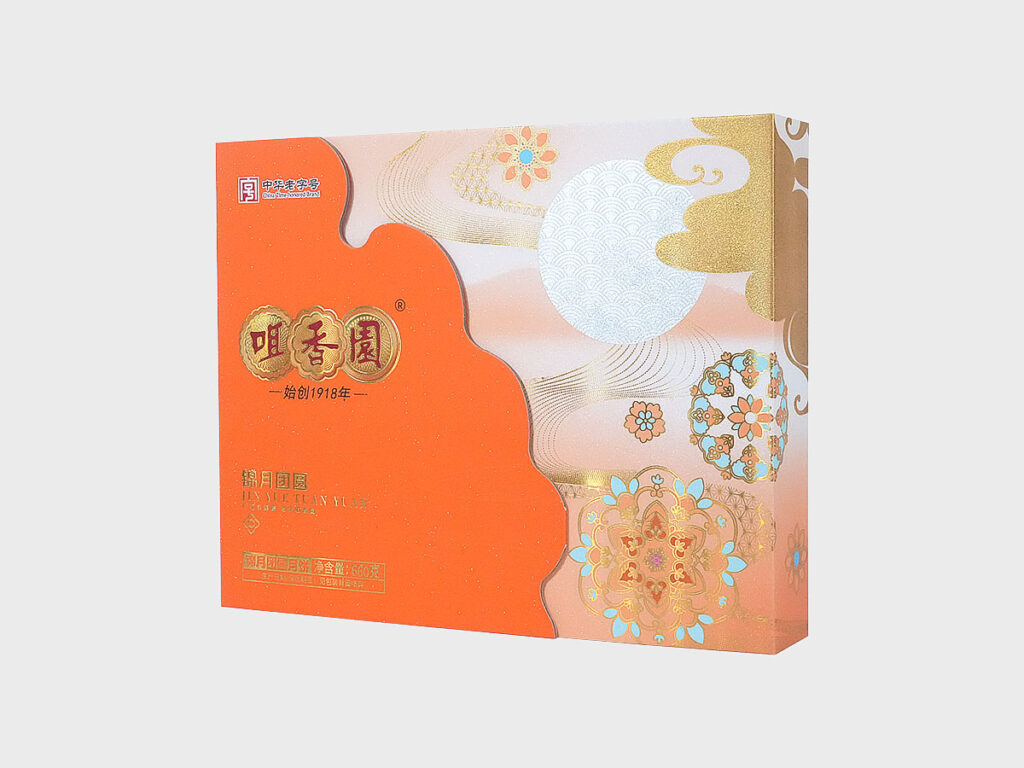
Paperboard is one of the most widely used materials for custom food packaging boxes, especially for brands that require strong visual presentation and reliable structure. Its smooth surface provides an excellent base for high-quality printing, making it suitable for retail packaging, gift-style food boxes, and branded product packaging.

  • Material Types: Common options include Solid Bleached Sulfate (SBS) for premium packaging with a clean white surface, coated white board for vibrant printing effects, and kraft paperboard for brands seeking a natural and sustainable appearance.
  • Common Applications: Paperboard is commonly used for folding cartons, 빵집 상자, snack packaging, confectionery boxes, and other customized food and beverage packaging solutions.
  • Barrier Properties: Standard paperboard has limited resistance to moisture and grease. To improve durability, packaging manufacturers may apply coatings or laminations based on the product requirements, such as matte coating, gloss coating, or protective barrier finishes.
  • Branding Value: The smooth surface of paperboard supports detailed graphics, high-resolution printing, and various finishing techniques such as foil stamping, 엠보싱, and UV coating to enhance shelf appeal.

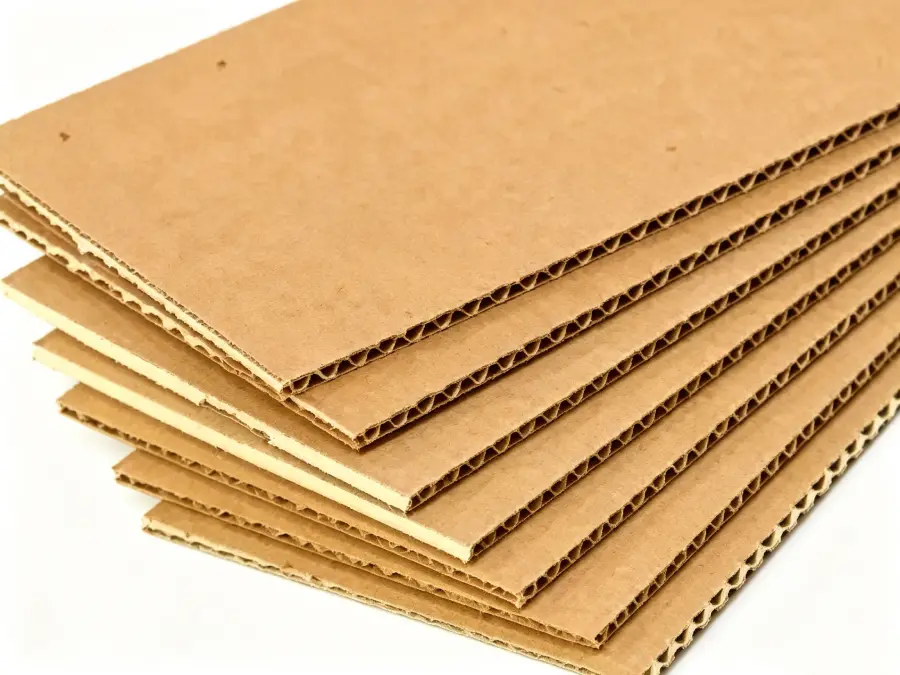
Corrugated Fiberboard

Corrugated fiberboard is widely used when packaging requires additional strength and protection during transportation and storage. Its layered structure provides excellent cushioning performance while maintaining a lightweight design.

  • Construction: Corrugated board consists of a fluted paper layer placed between one or two linerboards. This structure improves compression strength and helps protect packaged products during handling and distribution.
  • Primary Uses: It is commonly used for shipping cartons, outer packaging, bulk food packaging, and protective packaging solutions that require stronger structural support.
  • Logistical Advantage: The excellent stacking strength of corrugated boxes makes them suitable for warehouse storage, pallet transportation, and long-distance shipping.
  • 사용자 정의 옵션: Although corrugated packaging focuses on protection, it can also support custom printing, branding elements, and structural designs to improve product presentation.

Sustainable Paper-Based Materials and Inserts

As brands pay more attention to sustainable packaging, paper-based materials and molded fiber solutions are becoming popular alternatives for reducing plastic usage while maintaining product protection.

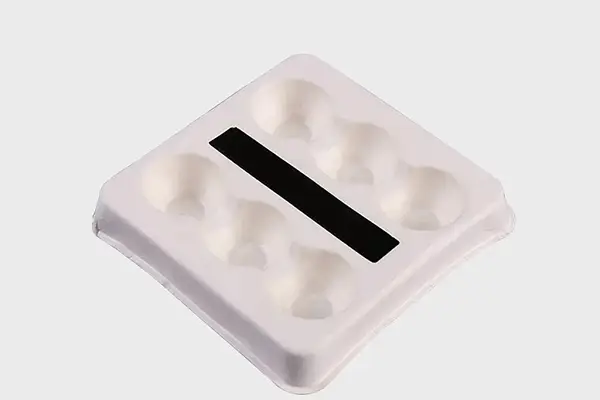
  • Molded Fiber Inserts: Made from renewable fiber materials such as recycled paper pulp, molded fiber inserts can be customized to fit different products and provide cushioning protection. They are commonly used as internal supports for food and beverage packaging, 선물 상자, and other premium packaging applications.
  • Eco-Friendly Paper Options: Kraft paperboard, recycled paper materials, and other sustainable paper solutions allow brands to create packaging with a more natural appearance while supporting environmental goals.
  • Performance Considerations: Sustainable materials should be selected based on the product requirements, 포장 구조, and expected protection level. Combining suitable materials with proper design helps achieve a balance between sustainability, 내구성, and appearance.
  • Applications: These solutions are widely used in food and beverage packaging, wine and gift packaging, cosmetics packaging, and other industries that require both protection and an enhanced unboxing experience.

Premium Food Packaging That Protects & Presents.

Our durable, FSC-certified packaging is engineered to protect your food products during transit and on the shelf. Leverage our factory-direct scale to get premium, custom-printed boxes that reduce costs and elevate your brand.

Explore Packaging Solutions →

CTA 이미지

Quality Standards and Compliance Considerations

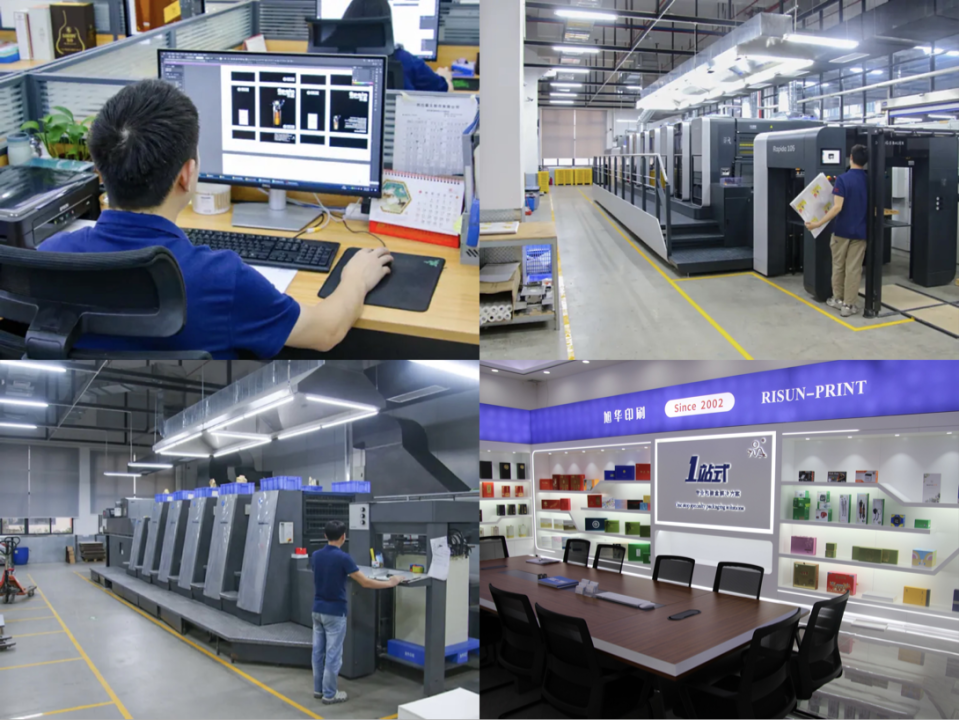
Food box quality depends on more than the final appearance. It requires consistent material control, precise manufacturing processes, reliable quality inspections, and stable production capabilities to ensure packaging meets brand expectations.

Material Control and Production Consistency

Reliable packaging quality starts with effective material management and standardized production processes. A professional packaging manufacturer should maintain consistent specifications from raw materials to finished products.

  • Raw materials should be inspected and managed according to approved specifications to ensure stable quality across different production batches.
  • Consistent production procedures help minimize variations in printing, 구조, and finishing performance.
  • Clear quality standards allow manufacturers to maintain the same packaging appearance and performance for repeat orders.
  • Proper material management helps reduce production risks and improves overall packaging reliability.

Printing Accuracy and Quality Inspection

For branded food packaging, printing quality directly affects product presentation and customer perception. Strict production control helps ensure packaging maintains a professional appearance.

  • Color accuracy, image clarity, and design details should be carefully monitored throughout the printing process.
  • Automated equipment and inspection procedures help identify issues such as printing errors, cutting deviations, or finishing defects.
  • Sample approval before mass production allows brands to confirm the final packaging appearance and specifications.
  • Quality checks during each production stage help deliver consistent results for large-volume orders.

Structural Design and Manufacturing Capability

Beyond visual appearance, food boxes need reliable structures that support product protection and efficient handling. Professional packaging manufacturers combine design expertise with production capabilities to create practical solutions.

  • Box structures should be developed based on product dimensions, 무게, and packaging requirements.
  • Prototyping helps verify the design, 기능성, and appearance before full-scale production.
  • Customized solutions such as inserts, window designs, and special structures can improve product presentation and protection.
  • Integrated manufacturing capabilities help ensure smoother coordination from design development to final production.

Quality Management and Supply Reliability

Stable packaging supply requires effective quality management systems and experienced manufacturing teams. Working with a reliable packaging partner helps brands maintain consistent quality and production efficiency.

  • Quality management systems support standardized workflows and continuous improvement.
  • Production records and order specifications help ensure consistency for future repeat projects.
  • Experienced manufacturers can provide support throughout design, sampling, 인쇄, 그리고 대량생산.
  • Strong production capabilities help brands manage larger orders while maintaining quality and delivery reliability.

Sustainable Material Options

친환경 초콜릿 펄프 트레이 포장

Sustainable food boxes rely on compostable plant fibers, recyclable paper, bioplastics, or reusable materials like glass, each selected for specific performance and disposal requirements.

Plant-Fiber and Molded Pulp

This category includes materials made from agricultural byproducts like sugarcane bagasse, wheat straw, and bamboo fibers. These renewable resources are molded into rigid, heat-resistant containers such as clamshells, bowls, and meal boxes. Their structure makes them well-suited for holding hot, wet, and oily foods, and they are often microwave-safe. Designed with the end-of-life in mind, these products are typically commercially compostable, breaking down into organic matter in industrial facilities.

Paper, Kraft, and Cardboard

Sourced from renewable wood pulp, paper and cardboard are staples in food packaging and are often available with high recycled content. These materials are widely used for bakery boxes, 피자 상자, and fold-top takeout containers. If kept clean and free of plastic coatings, they can be recycled in most paper streams. To improve performance without compromising their environmental profile, many paper boxes now use grease-resistant dispersion coatings, which help manage oils while maintaining recyclability or compostability.

Bioplastics like PLA and Cornstarch

Bioplastics are derived from plant sources such as corn starch or sugarcane, offering a plastic-like feel with a renewable origin. They are frequently used for clear applications like salad boxes, dessert cups, and lids where product visibility is important. The most common bioplastic, PLA (Polylactic Acid), requires industrial composting facilities to biodegrade effectively and has a lower heat tolerance than conventional plastics, making it best for cold or ambient foods.

Cellulose-Based Films and Window Designs

Transparent cellulose films can be used as an eco-conscious alternative for plastic windows in custom food packaging boxes. These clear windows allow customers to view the product inside while maintaining the overall visual appeal and sustainability goals of the packaging.

For brands looking to create more environmentally responsible packaging, cellulose-based materials can be combined with paperboard structures and custom box designs to enhance product presentation. The final packaging solution should balance appearance, 내구성, printing requirements, and the brand’s sustainability objectives.

Comparing Different Food Box Materials

The right food box material prevents leaks, protects during delivery, and showcases your product. The choice between paper, 플라스틱, or fiber depends entirely on the food and its journey.

Material Family주요강점Major Limitations최고의 대상
판지 & CorrugatedExcellent print quality, smooth surface, premium appearance, and compatibility with various finishing techniques.Requires additional coatings or laminations when higher moisture or grease resistance is needed.Retail food packaging, 빵집 상자, confectionery packaging, and premium branded food boxes.
Kraft PaperboardNatural appearance, recyclable image, lightweight structure, and suitable for brands emphasizing sustainability.The brown surface may limit color brightness compared with white coated boards.Organic food packaging, snack boxes, bakery packaging, and eco-friendly product lines.
Corrugated FiberboardStrong structural performance, excellent stacking strength, and reliable protection during transportation.Less suitable for high-end retail presentation without additional printing and surface treatments.Shipping cartons, outer packaging, bulk food packaging, and products requiring extra protection.

Paperboard and Corrugated Board

Paper-based materials are among the most widely used choices for custom food packaging because they offer a balance between visual appeal, 구조적 성능, and production flexibility. For premium retail packaging such as bakery, dessert, and specialty food boxes, Solid Bleached Sulfate (SBS) paperboard is often selected due to its smooth surface and excellent printing performance.

For brands seeking a natural appearance, kraft paperboard provides a rustic and environmentally conscious look while maintaining good packaging strength. When additional protection is required during storage and transportation, corrugated board offers stronger structural support through its layered construction.

The main consideration for paper-based packaging is selecting the right material structure and surface treatment. Coatings, laminations, and finishing techniques can improve durability while enhancing the overall appearance of the packaging.

Kraft Paperboard and Sustainable Options

Kraft paperboard has become a popular choice for brands looking to create packaging with a natural and sustainable appearance. Its unique texture and color help communicate an environmentally friendly brand image while maintaining sufficient strength for various food packaging applications.

In addition to kraft materials, recycled paperboard and other sustainable paper-based options provide more choices for brands developing environmentally responsible packaging solutions. 하지만, material selection should consider factors such as printing requirements, structural needs, and the desired customer experience.

For companies looking to balance sustainability with premium presentation, combining suitable paper materials with optimized structural design and printing techniques can create packaging that is both functional and visually appealing.

Coated and Specialty Paper-Based Materials

Surface treatments and specialty paper materials allow food boxes to achieve enhanced durability and stronger visual impact. Depending on the packaging requirements, manufacturers may apply coatings, laminations, or other finishing processes to improve surface protection and appearance.

Common options include matte lamination, gloss coating, UV코팅, 엠보싱, 포일 스탬핑, 스팟 UV 마감. These techniques not only improve the look and feel of packaging but also help brands create a stronger presence on retail shelves.

For custom food packaging, the right combination of material, printing method, and finishing process helps achieve the desired balance between protection, 미학, 생산 효율성.

How to Choose the Right Material

Selecting the right food box material is not about choosing the most expensive option, but about finding the best balance between packaging requirements, brand positioning, and production goals. Consider the following factors:

  • Define the packaging purpose. Determine whether the priority is retail presentation, transportation protection, 지속 가능성, or a combination of these factors.
  • Match the material to the product requirements. Lightweight paperboard may work well for retail food boxes, while corrugated structures are better suited for products requiring stronger protection.
  • Consider printing and finishing needs. Premium brands may benefit from materials that support high-quality printing, 포일 스탬핑, 엠보싱, or other decorative finishes.
  • Evaluate sustainability goals. Choose materials and production methods that align with your brand’s environmental objectives while maintaining packaging performance.

Choosing the Right Packaging Partner

reliable food box manufacturer

선택 food box manufacturer is a critical food safety decision, not just a procurement task. Their compliance and quality systems directly impact your product’s integrity.

Regulatory Compliance and Food Safety Certifications

Your packaging partner is an extension of your food safety system. Their compliance is your compliance. Before signing any contract, you need to see hard proof that they meet all non-negotiable standards.

  • Quality & Compliance Certifications: Confirm the supplier holds relevant quality management certifications such as ISO 9001, strictly enforces GMP site standards, and provides full material compliance test reports (such as SGS or FDA migration testing) to ensure packaging safety and performance.
  • 우수 제조 관행 (GMP): Request documentation that proves they adhere to GMP, as outlined in frameworks like Regulation (EC) 2023/2006. This covers hygiene, pest control, and process controls.
  • Traceability Systems: Ensure the partner has a solid lot-level traceability system for all raw materials—from the paperboard down to the adhesive. You’ll need this if a recall ever happens.

Technical Expertise and Material Capabilities

A good partner understands the science behind the box. They should function as a technical consultant, not just an order-taker. Vet their ability to match materials to your specific product to prevent costly failures like leaks or contamination.

  • Material and Coating Knowledge: Assess their expertise in food-grade paperboards and, more importantly, functional barrier coatings. They must know which coatings block grease from fried foods or prevent moisture from weakening the box.
  • Component Safety: Confirm they use low-migration inks and food-safe adhesives. The wrong ink can transfer to the food, especially with fatty or hot products. This is a critical detail.
  • Structural Design Capability: Evaluate their ability to design a box that holds up. This includes surviving the rigors of your supply chain, from automated filling lines to stacking in a delivery vehicle.
  • Category-Specific Experience: Check if they have experience with your food category. The needs of frozen meals are vastly different from fresh bakery items or shelf-stable snacks. A partner who already knows your product type is a major asset.

Quality Management and Process Controls

Consistency is everything in food packaging. A single bad batch of boxes can lead to product loss, customer complaints, or even a recall. A qualified partner will have documented, verifiable processes to ensure every box meets spec.

  • Internal QA Procedures: Review their quality assurance program. How do they inspect incoming raw materials? What in-process checks do they perform? How do they test finished goods before shipping?
  • HACCP Plan: Ask to see their Hazard Analysis and Critical Control Points (HACCP) plan. This will show you how they identify and mitigate risks like chemical migration or foreign body contamination during manufacturing.
  • Change Control Process: Understand their formal process for any changes to materials or production. If they switch to a new adhesive or paper supplier, you need to know about it and what they did to validate the change.
  • Controlled Environment: Confirm their manufacturing facility is controlled to prevent cross-contamination. Food-contact packaging should be produced in segregated, clean areas, away from non-food-grade materials.

Operational Fit and Supply Chain Integration

Even a technically proficient supplier can be the wrong choice if their operations don’t align with yours. The final step is to assess whether they can integrate smoothly into your supply chain and support your business needs as you scale.

  • Capacity and Lead Times: Evaluate their production capacity. Can they handle your current volume and scale up for future growth? Are their lead times compatible with your production scheduling and inventory strategy?
  • Labeling and Data Support: Confirm they can handle your printing needs for variable data like barcodes, batch codes, nutritional panels, and allergen warnings. This is essential for compliance and traceability.
  • Flexibility and Agility: Discuss their process for handling design changes or new product introductions. How quickly can they turn around prototypes and first production runs? A slow partner can hinder your speed to market.
  • Logistics Alignment: Understand their delivery and logistics processes. Do they deliver on pallets that fit your warehousing system? Can they accommodate your receiving schedules? A mismatch here can create bottlenecks in your operation.

자주 묻는 질문

What materials are used for food boxes?

Food boxes are commonly made from paper-based materials selected for structural performance, 인쇄 품질, 그리고 브랜드 프리젠테이션. Popular options include SBS paperboard for premium packaging, kraft paperboard for a natural appearance, coated white board for vibrant printing, and corrugated cardboard for stronger protection during transportation. The right material depends on the product requirements, 포장 구조, 인쇄 요구, and desired brand experience.

Are paper food boxes safe?

예, paper food boxes are safe for their intended use when made from food-grade materials that comply with regulatory limits on chemical migration. Their safety depends on being used for the correct food type (예를 들어, dry vs. greasy) and temperature conditions for which they were designed.

식품 등급 포장이란 무엇입니까??

Food grade packaging refers to materials and containers that are safe for direct contact with food. They must not transfer harmful substances to the food or negatively affect its composition, 맛, 또는 냄새, in compliance with regulations like those from the FDA or EU.

Are coated paper boxes recyclable?

때때로, but not always. The recyclability of coated paper food boxes depends on whether the local recycling facility can process the specific coating (like PE or PLA) and separate it from the paper fiber. Heavily food-soiled boxes are generally not recyclable.

What is the best packaging for food products?

There is no single “best” packaging for all food products. The optimal choice depends on the specific food, requiring a balance of safety, shelf-life requirements, physical protection during transport, branding needs, 비용, 지속 가능성.

How do food boxes protect products?

Food boxes protect products through a combination of physical protection from impact and compression, barrier protection against moisture and contaminants, temperature control for chilled or frozen items, and security features like tamper-evident seals.

What certifications are needed for food boxes?

Key certifications include compliance with food-contact safety regulations (like FDA or EU standards), certifications for the manufacturing facility’s food safety management system (such as BRCGS or FSSC 22000), and often sustainability certifications like FSC for paper-based materials.

식품 상자를 맞춤 설정할 수 있나요??

예, food boxes are highly customizable in terms of size, 모양, 재료, 인쇄, and functional features like windows or handles. 하지만, all custom materials, 잉크, and coatings must still comply with food-contact safety regulations for the target market.

What affects food packaging cost?

The primary factors affecting food packaging cost are material choice, production volume (order size), design complexity, printing methods and finishes, 그리고 물류. Raw material prices, such as for paper pulp and plastic resins, also play a significant role.

How should I select food packaging materials?

Material selection requires balancing several key criteria: food-contact safety and regulatory compliance, compatibility with the food type (예를 들어, 수분, fat content), required shelf life, mechanical strength for transport, and sustainability goals like recyclability.

최종 생각


Choosing food packaging materials requires balancing product protection, visual presentation, compliance requirements, 생산 효율성. Working with an experienced packaging manufacturer can help brands select suitable materials, optimize structural design, and create packaging solutions that support long-term product success.

We recommend a specification review to match your food product with the correct, certified material from our portfolio. Contact our technical team to discuss your application and request targeted samples for testing.

연락하십시오

당신도 좋아할 수도 있습니다

맞춤형 고급 제품 포장, 원활한 솔루션

개념에서 제작까지, 우리는 고품질을 제공합니다, 브랜드를 향상시키고 제품을 보호하기위한 맞춤형 종이 포장.

샘플을 받으려면 저희에게 연락하세요 & 인용하다