Efficace coffrets à vin influencer directement l’attrait en rayon et la valeur perçue, justifier un prix élevé. Choisir la mauvaise structure, matériels, ou les finitions peuvent ancrer un vin de haute qualité dans une fourchette de prix inférieure, érosion des marges et incapacité à les différencier des offres standards dans un magasin de vente au détail bondé.
Cette analyse couvre les tendances actuelles en matière d'emballage, de l'esthétique minimaliste aux fonctionnalités interactives comme les codes QR. Nous évaluons comment des matériaux spécifiques, techniques de finition telles que l'estampage à chaud et le laminage doux au toucher, et les choix structurels influencent la perception des consommateurs et contribuent à garantir un prix plus élevé pour les versions premium et ultra-premium.
Le rôle des boîtes à vin dans le branding haut de gamme
Un coffret de vin premium est un atout stratégique de marque, pas seulement un conteneur. Cela façonne la perception, justifie des prix plus élevés, et crée une expérience mémorable qui génère de la valeur.
Façonner les premières impressions et la qualité perçue
Avant que quiconque goûte le vin, ils voient et touchent la boîte. C'est le premier point de contact physique avec votre marque, et cela définit immédiatement les attentes. Un carton fragile signale un produit de valeur, tandis qu'un important, une boîte bien conçue implique un vin de qualité supérieure à l'intérieur.
P.la présentation peut influencer la façon dont les consommateurs perçoivent la qualité du produit. Pour les vins haut de gamme, une boîte bien conçue peut améliorer l'expérience globale en communiquant le savoir-faire et l'attention de la marque avant l'ouverture de la bouteille.
Communiquer l'exclusivité à travers les matériaux et les finitions
Les matériaux utilisés pour un coffret à vin envoient un message clair. Les matériaux robustes comme le carton rigide épais ou le bois massif véhiculent un sentiment de durabilité et de permanence que les consommateurs associent au luxe.. Un bon marché, la boîte fine semble jetable, mais un lourd, bien construit, on dirait un souvenir. Ce sentiment est amplifié par des finitions haut de gamme qui créent une valeur tactile.
- Estampage à la feuille ajoute des accents métalliques qui captent la lumière et signalent un produit de célébration ou de grande valeur.
- Gaufrage ou débossage crée une texture physique pour les logos et les motifs, touche invitante.
- Plastification douce au toucher donne à la surface un aspect velouté, sensation luxueuse qui se démarque des finitions brillantes ou mates standard.
Ces éléments fonctionnent ensemble pour créer une expérience de déballage cérémoniale. Le poids de la boîte, la sensation de la finition, et le bruit d'une fermeture magnétique renforcent l'impact émotionnel et enferment la marque dans la mémoire du consommateur..
Justifier le prix et différencier les niveaux de produits
UN coffret à vin haut de gamme fonctionne comme un repère visuel qui signale un prix plus élevé, justifier le coût pour le consommateur avant même qu'il ne voie la bouteille. Cela permet aux marques de créer une hiérarchie d'emballage claire qui distingue les vins de table standards des vins de réserve., domaine, ou des éditions limitées. Un client peut reconnaître instantanément le “spécial” bouteille en rayon car son emballage est visiblement un cran au-dessus des autres.
Pour des produits vitivinicoles de grande valeur, la boîte peut également soutenir la narration de la marque et la différenciation des produits. Des fonctionnalités telles que l’impression personnalisée, éléments d'emballage sérialisés, et des détails de finition haut de gamme aident à communiquer le savoir-faire et à renforcer la reconnaissance de la marque.
Améliorer les cadeaux, Vente au détail, et expérience DTC
Dans différents canaux, la boîte joue un rôle distinct mais tout aussi important. Pour offrir, une boîte bien conçue élève une bouteille en un produit complet, article digne d'un cadeau, augmenter sa valeur pour les vacances, anniversaires, et programmes d'entreprise. Il élimine le besoin d'un emballage cadeau séparé et donne au geste une sensation plus substantielle..
Dans un commerce de détail bondé, la structure d'une boîte, couleur, et la taille créent une présence de marque puissante qui attire l'attention. Il offre plus de surface pour la narration et crée un environnement propre., bloc uniforme sur l'étagère qui se démarque d'une mer de bouteilles individuelles.
Pour la vente directe au consommateur (DTC) expéditions, la boîte doit effectuer parfaitement deux tâches. Il doit offrir une protection robuste pour garantir que le vin arrive à bon port, tout en offrant une présentation haut de gamme. L'expérience de déballage à la maison est le point de contact final, et une boîte premium garantit que la qualité promise en ligne est la réalité que le client reçoit.
Tendances actuelles en matière de conception d'emballages de vin
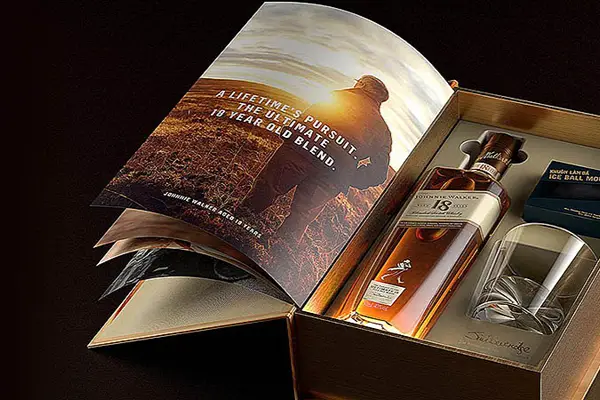
Les tendances actuelles en matière d’emballage du vin associent des matériaux durables, esthétique raffinée, et design fonctionnel. Les marques explorent de nouvelles structures, finitions, et des fonctionnalités numériques pour améliorer à la fois l'expérience client et les performances de l'emballage.
L’industrie du vin va au-delà de la simple bouteille. La conception des emballages pour les coffrets de vin s'articule désormais autour de cinq domaines clés qui équilibrent l'expérience du consommateur et l'aspect pratique., environnemental, et besoins commerciaux. Ces tendances reflètent un changement dans la façon dont les établissements vinicoles communiquent la valeur, du rayon de vente au domicile du client.
| S'orienter | Caractéristiques clés |
|---|---|
| Durabilité & Eco-Matériaux | Focus sur le recyclage, formats de carton léger et de bag-in-box pour réduire l'empreinte carbone. Utilise des encres à base d'eau et des messages écologiques clairs sur l'emballage. |
| Minimaliste & Esthétique haut de gamme | Des mises en page épurées avec une typographie forte et des palettes de couleurs limitées. Utilise des finitions haut de gamme comme l'estampage et le gaufrage pour signaler la qualité. |
| Sensoriel & Expériences tactiles | Intègre des surfaces texturées (gaufrage, gaufrage) et revêtements doux au toucher. Vise à créer un rituel de déballage mémorable grâce à des détails tactiles. |
| Intelligent & Fonctionnalités interactives | Intègre les codes QR, Réalité augmentée (RA), et puces NFC pour relier l'emballage physique au contenu numérique comme des notes de dégustation ou des histoires de marque. |
| Innovations en matière de formats & Conception fonctionnelle |
Optimise les structures des boîtes à vin pour les cadeaux, vente au détail, et les besoins du commerce électronique. Utilise des inserts de protection et des conceptions efficaces pour améliorer la protection et la présentation du produit. |
Durabilité et matériaux respectueux de l'environnement
La durabilité n’est plus une préférence de niche; c’est un moteur essentiel de l’innovation en matière d’emballage. Les établissements vinicoles adoptent activement des matériaux et des formats qui réduisent l'impact environnemental tout en communiquant sur la qualité.. Il s’agit d’une réponse directe à la volonté des consommateurs de payer plus pour des produits emballés de manière responsable..
- Utiliser du recyclé, recyclable, et du carton plus léger pour réduire la consommation de matériaux et les émissions pendant le transport.
- Augmenter l'utilisation de solutions d'emballage à base de papier recyclable et de structures de boîtes légères pour réduire la consommation de matériaux tout en préservant la protection et l'attrait visuel du produit..
- Adopter des encres à base d'eau et des revêtements à faible impact pour minimiser les dommages environnementaux liés aux processus d'impression et de finition.
- Placer des messages et des icônes clairs sur l'emballage pour communiquer directement ses attributs durables aux acheteurs.
Esthétique minimaliste et haut de gamme
Le “moins c'est plus” la philosophie domine la conception des boîtes à vin haut de gamme. Un propre, l'aspect épuré contribue à signaler la sophistication et justifie un prix plus élevé. Cette approche traite la boîte non comme un conteneur, mais comme un élément clé de l’identité visuelle de la marque.
- Mettre l'accent sur des mises en page épurées avec un espace négatif généreux et des, une typographie lisible qui attire le regard.
- Utiliser des palettes de couleurs limitées, souvent monochrome ou bicolore, pour créer un sentiment d'élégance et de concentration.
- Application de finitions haut de gamme comme des revêtements mats, estampage à chaud, et gaufrage pour rehausser la valeur perçue et la qualité tactile.
- Établir une hiérarchie d'informations claire qui donne la priorité au nom de la marque, cépage, et la région pour une identification rapide.
Expériences sensorielles et tactiles
La sensation d'une boîte dans la main devient aussi importante que son apparence. Les marques font appel au sens du toucher pour créer une connexion physique mémorable avec le consommateur, transformer le simple fait d’ouvrir une boîte en une expérience enrichissante.
- Incorporation de surfaces texturées par gaufrage, gaufrage, ou des motifs en relief qui invitent au toucher.
- Appliquer des revêtements soft-touch ou mats qui donnent à la boîte un aspect chaleureux, velouté, et une sensation de haute qualité.
- Concevoir un “rituel de déballage” avec des détails bien pensés comme une impression intérieure à motifs ou des messages cachés à l'intérieur des rabats.
- Utilisation sélective du vernis UV sélectif pour créer un contraste brillant sur mat qui met en valeur les logos ou les illustrations clés.
Fonctionnalités intelligentes et interactives
Les coffrets de vin deviennent des passerelles vers le contenu numérique. En intégrant des technologies simples, les marques peuvent fournir des informations plus approfondies, améliorer la narration de la marque, et offrir une preuve d'authenticité, valeur ajoutée longtemps après l'achat initial.
- Intégration de codes QR qui renvoient directement à des notes de dégustation détaillées, guides d'accords culinaires, ou des vidéos de storytelling de marque.
- Adopter la réalité augmentée (RA) pour donner vie aux œuvres d’art d’emballage, créer une expérience interactive via un smartphone.
- Intégration du NFC (Communication en champ proche) puces pour un accès en un seul clic à la vérification de l'authenticité ou au contenu numérique exclusif.
- Mettre en œuvre des codes sérialisés uniques pour lutter contre la contrefaçon et améliorer la traçabilité de la chaîne d'approvisionnement.
Innovation de format et conception fonctionnelle
Alors que les marques de vin se développent dans le commerce de détail, cadeau, et canaux de commerce électronique, les boîtes à vin doivent équilibrer l'attrait visuel et la performance structurelle. Ils protègent les bouteilles pendant le transport tout en améliorant l'expérience globale de présentation..
- Développer des structures personnalisées pour différentes applications, y compris les coffrets cadeaux d'une seule bouteille, ensembles multi-bouteilles, et emballage collector premium.
- Conceptions de protection techniques avec inserts ajustés, coins renforcés, et des matériaux durables pour réduire les dommages pendant le stockage et l'expédition.
- Créer des expériences d'ouverture fonctionnelles grâce au style tiroir, magnetic closure, et des structures faciles à assembler qui améliorent la commodité tout en conservant une esthétique haut de gamme.
Protégez et améliorez vos produits haut de gamme.
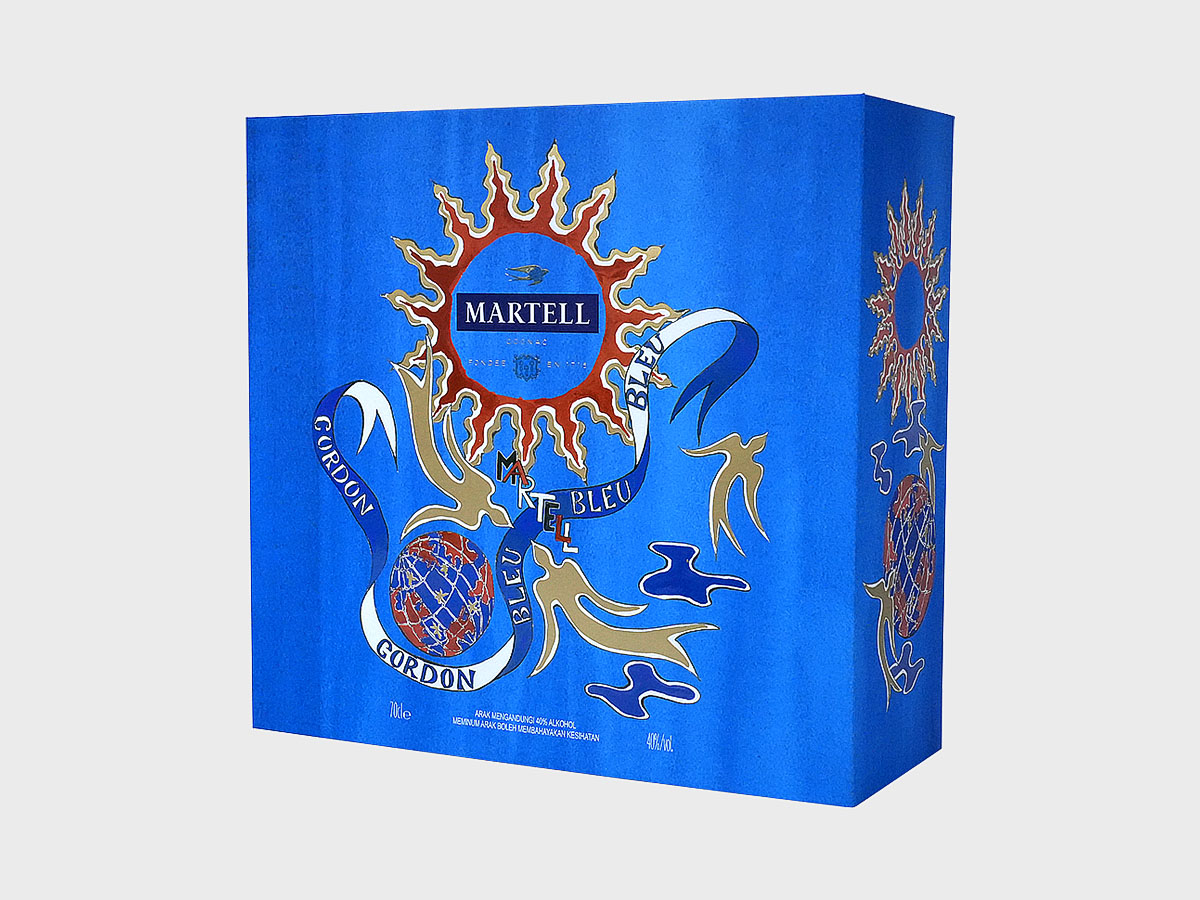
Structures et styles de boîtes à vin populaires
La structure d'un coffret à vin se choisit en fonction de sa destination, allant des présentations de cadeaux théâtrales aux conteneurs logistiques durables. Ces modèles sont largement regroupés en formats de cadeaux haut de gamme, caisses en bois traditionnelles, et des structures à vocation logistique, chacun avec des matériaux et des caractéristiques distincts.
Présentation Premium et Coffrets Cadeaux
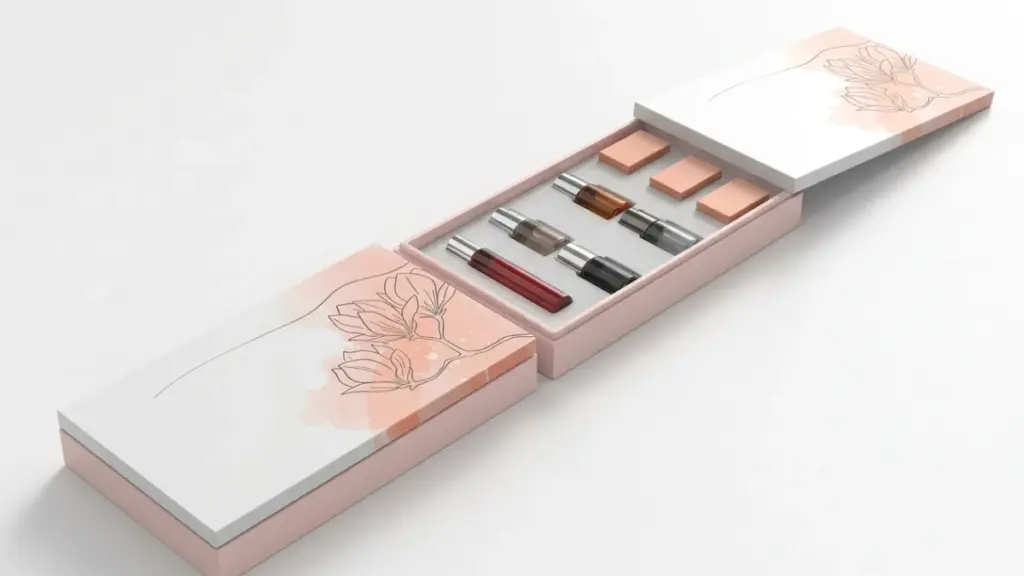
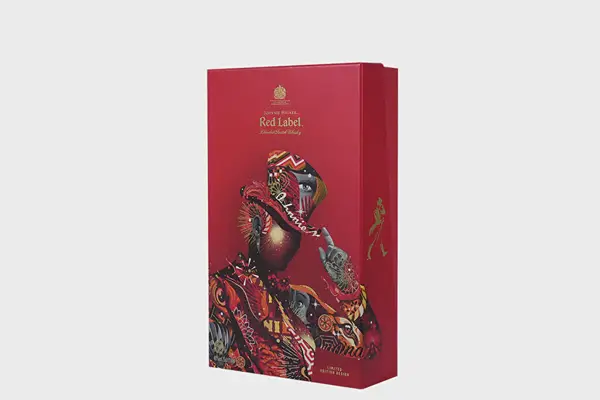
Pour les cadeaux d'entreprise, ensembles de vacances, et promotions au détail, les formats à une ou deux bouteilles sont les plus répandus. Les établissements vinicoles qui cherchent à créer un déballage mémorable pour les sorties de prestige se tournent souvent vers des conceptions plus théâtrales comme le style tiroir., style livre, et boîtes à double porte. Ces structures créent de l'anticipation à mesure que la bouteille est révélée.
Pour une esthétique plus moderne qui rompt avec les emballages rectangulaires traditionnels, les boîtes à cylindres ou à tubes offrent une apparence distincte en rayon. Dans cette catégorie, les boîtes rigides pour bouteilles individuelles sont un choix populaire pour les versions premium, comportant généralement des inserts ajustés qui sécurisent la bouteille et améliorent la présentation.
Conceptions pliables et axées sur la logistique
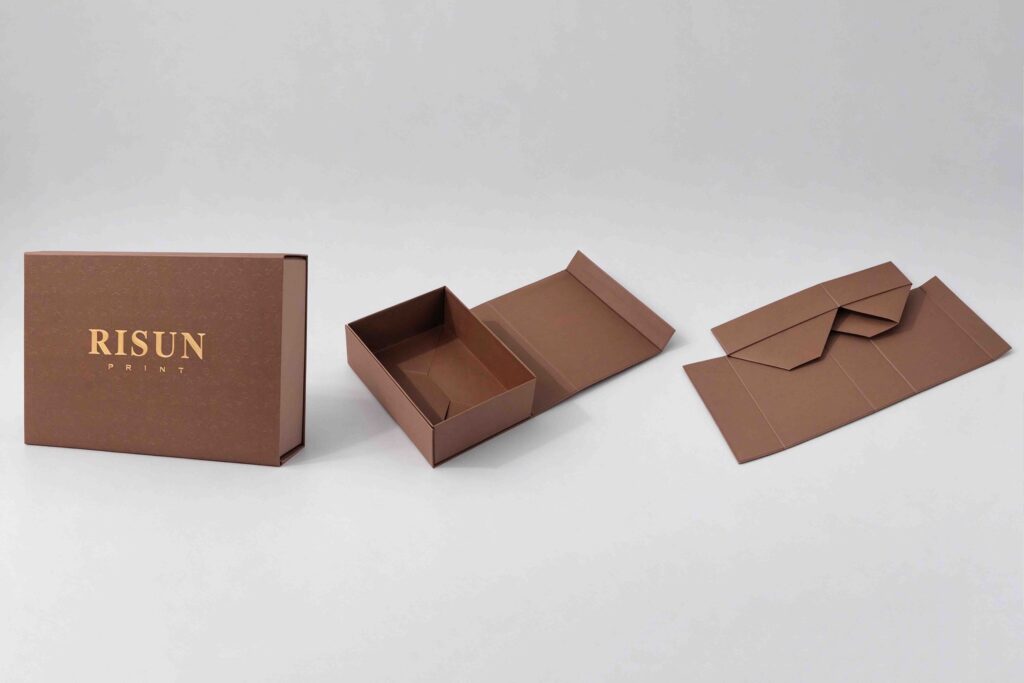
Pour les marques qui équilibrent présentation et efficacité, en particulier sur les marchés du commerce électronique et de l'exportation, les boîtes rigides pliables sont une solution pratique. Ces conceptions combinent une prime, aspect robuste avec la possibilité d'expédier et de stocker à plat, ce qui réduit considérablement les coûts de transport et d'entreposage. Du côté purement fonctionnel du spectre se trouvent les boîtes en carton ondulé.. Construit avec des cloisons découpées, leur conception donne la priorité à la protection des bouteilles, force d'empilement, et la logistique sur la présentation, ce qui en fait la norme pour une expédition sûre et efficace.
Options communes de fermeture et d’insertion
Le mécanisme de fermeture contribue de manière significative à l'expérience utilisateur. Les fermetures magnétiques sont fréquemment utilisées dans boîtes rigides de luxe, offrant une esthétique épurée et une sensation de fermeture instantanée satisfaisante. Les caisses en bois traditionnelles reposent souvent sur des couvercles coulissants, couvercles à charnières, ou des fermoirs qui ajoutent à leur attrait décoratif et classique.
À l'intérieur de la boîte, inserts personnalisés en pâte moulée, ou le carton découpé est essentiel pour maintenir les bouteilles en toute sécurité et empêcher tout mouvement pendant le transport. Pour une couche supplémentaire de luxe, les boîtes premium peuvent comporter des doublures douces ou des intérieurs en velours pour protéger l’étiquette de la bouteille et améliorer l’expérience tactile.
Techniques d'impression et de finition pour les boîtes à vin haut de gamme
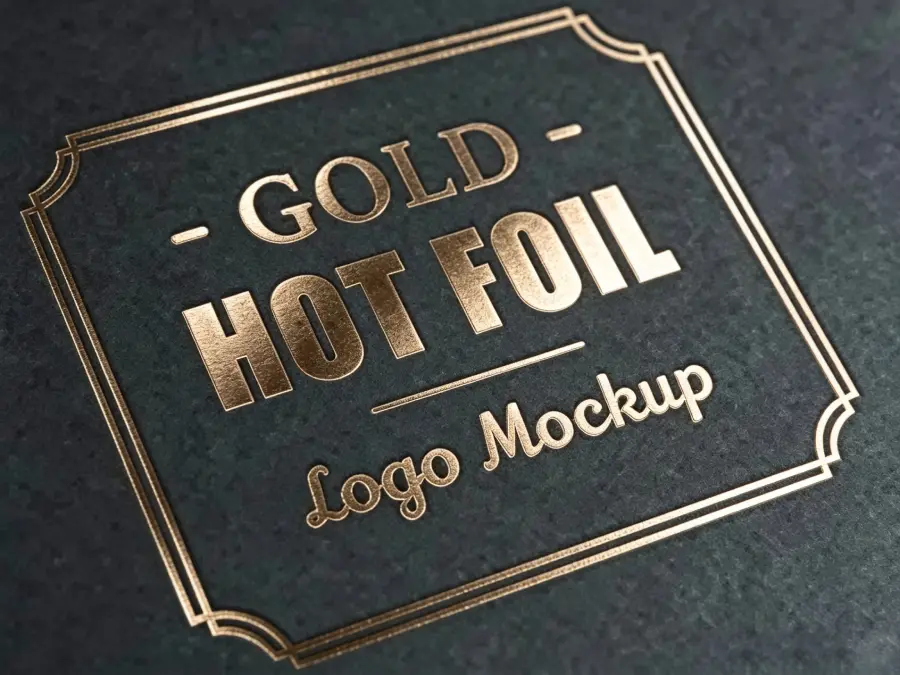
La bonne combinaison d'impression et de finition est ce qui transforme un simple conteneur en un atout haut de gamme., signalant directement la valeur de la marque et justifiant un prix plus élevé.
Technologies d'impression de base
La méthode d'impression que vous choisissez détermine la qualité visuelle et la rentabilité de votre coffret à vin.. Ce sont les quatre principales technologies que vous rencontrerez, chacun adapté à un objectif et un budget différents.
- Lithographie Offset: Il s'agit de la norme industrielle pour les volumes élevés, des courses de grande qualité. C’est la bête de somme des boîtes rigides emballées dans du papier, garantir une fidélité précise des couleurs à votre marque sur des milliers d'unités.
- Impression numérique: Idéal pour les courses courtes, éditions limitées, ou coffrets cadeaux personnalisés. L'impression numérique permet des données variables, afin que vous puissiez personnaliser chaque case avec un nom, message, ou un numéro unique sans vous ruiner en frais d'installation.
- Sérigraphie: Utilisez cette technique lorsque vous devez appliquer du gras, graphiques opaques directement sur des matériaux autres que le papier. C'est la référence en matière de coffres en bois, boîtes recouvertes de tissu, et des boîtes métalliques là où les autres méthodes échouent.
- Impression sur feuille (Chaud/Froid): Cela s'applique à la décoration métallique pour les logos et les accents. L'estampage à chaud crée un classique, look impressionné avec une sensation tactile. La feuille froide est appliquée sans chaleur, permettant des détails plus fins qui peuvent même être imprimés.
Processus de finition essentiels pour une sensation de luxe
La finition est ce que le client touche en premier. Des revêtements et des techniques décoratives soigneusement sélectionnés peuvent améliorer à la fois l'apparence et la qualité perçue.. Ces processus ajoutent une profondeur tactile et visuelle qui sépare une boîte standard d'une expérience de luxe..
- Stratifications et revêtements: Ces finitions protègent l'impression et créent des sensations tactiles distinctes. Une finition brillante est réfléchissante et lisse, une finition mate est sobre et élégante, et une finition douce au toucher est veloutée et chère.
- Estampage à la feuille: C'est un signifiant principal du luxe. Il transfère les feuilles métalliques comme l'or, argent, ou or rose sur la surface de la boîte, créer des marques à fort impact et des éléments décoratifs qui captent la lumière.
- Gaufrage & Débosage: Ces techniques créent un effet tridimensionnel, qualité de la texture. Le gaufrage crée un motif en relief, tandis que le gaufrage crée un creux. Les deux ajoutent une touche sophistiquée, qualité tactile des logos et des designs que les clients peuvent ressentir.
- Spot UV: Cela applique un vernis brillant à des zones spécifiques du design.. Le résultat est un contraste visuel et tactile saisissant sur un fond mat., attirer le regard exactement là où vous le souhaitez.
Aligner les techniques avec le positionnement de la marque
La combinaison de techniques doit refléter directement le prix de votre vin et le marché cible.. Les exigences d’emballage varient selon le positionnement du produit. Différents niveaux nécessitent différentes structures et options de finition.
- Entrée-Premium: L’objectif ici est de maximiser l’attrait en rayon de manière rentable. Cela implique généralement une impression offset combinée à un laminage brillant et à l'utilisation sélective de dorure à chaud ou de spot UV sur le nom de la marque..
- Moyen-Premium & Cadeaux d'entreprise: Pour signaler une valeur plus élevée, ces boîtes comportent souvent un laminage doux au toucher associé à un gaufrage et un travail de dorure plus étendu. L'expérience tactile est essentielle.
- Ultra-Premium & Éditions Collector: Ce niveau exige des, combinaisons multisensorielles. Pensez à une combinaison de papier d'aluminium et de gaufrage, flocage de velours pour la texture, ou gaufrage aveugle (texture sans encre ni papier d'aluminium) créer un objet de collection où la boîte elle-même a de la valeur.
Compatibilité des substrats et contraintes techniques
Toutes les techniques ne fonctionnent pas sur tous les matériaux. Comprendre les limites techniques du substrat et des finitions que vous avez choisis est essentiel pour éviter les échecs de production et les réimpressions coûteuses..
- Papier sur boîtes rigides: C'est le substrat le plus polyvalent. Il est compatible avec toute la gamme des techniques d’impression et de finition, vous offrant une liberté de création maximale.
- Cuir, et tissu: Ces matériaux nécessitent des méthodes spécialisées. Vous devrez utiliser la sérigraphie, gravure au laser, ou marquage à chaud direct au lieu de l'impression offset standard.
- Limites de conception: Chaque technique a ses propres règles. L'estampage à chaud nécessite des lignes plus épaisses et un texte plus gras que l'impression offset pour garantir un transfert propre.. Si vous prévoyez un travail multi-processus, l'inscription doit être planifiée dès le départ pour garantir que tous les éléments s'alignent parfaitement.
- Intégrité structurelle: Un gaufrage ou un gaufrage profond peut déformer ou endommager la boîte si le carton n'est pas suffisamment épais et solide.. Vous devez utiliser une planche suffisamment lourde pour maintenir l’intégrité structurelle de la boîte.
Comment l'emballage influence les décisions d'achat de vin
L'emballage influence les décisions d'achat de vin en façonnant la perception de la marque et la valeur du produit. Pour les vins haut de gamme, la boîte améliore la présentation et fait partie de l'expérience globale de la marque.
Attrait en rayon et reconnaissance de la marque
Dans un environnement de vente au détail bondé, les boîtes à vin aident les produits à attirer l'attention et à communiquer leur positionnement avant que les clients n'interagissent avec la bouteille. Éléments tels que la structure de la boîte, sélection de couleurs, typographie, et le graphisme travaillent ensemble pour créer une identité visuelle reconnaissable.
Une boîte à vin bien conçue peut mettre en valeur l'histoire de la marque, mettre l'accent sur le positionnement du produit, et aider les produits haut de gamme à se démarquer des offres standards en rayon.
Matériaux et finitions comme signaux de qualité
Les matériaux et les techniques de finition utilisés sur les coffrets à vin influencent fortement la valeur perçue. Carton rigide, papiers spéciaux, estampage à chaud, gaufrage, et les revêtements doux au toucher peuvent créer une apparence et une expérience tactile plus raffinées.
Ces détails permettent aux marques d'aligner la conception de l'emballage sur différents segments de marché., des coffrets cadeaux premium aux collections en édition limitée.
Structure et protection pendant la livraison
Au-delà de l'apparence, la structure de la boîte à vin affecte directement la protection du produit et l'expérience client. Insertions personnalisées, coins renforcés, et des conceptions bien conçues aident à sécuriser les bouteilles pendant le stockage, transport, et livraison e-commerce.
Pour les marques vendant des vins haut de gamme, l'emballage doit équilibrer l'attrait visuel et la performance pratique.
L'emballage dans le cadre de l'expérience de cadeau
Le vin est souvent acheté pour les célébrations, cadeaux d'entreprise, et occasions spéciales. UN coffret à vin personnalisé peut améliorer la présentation du produit, rendre la bouteille plus précieuse et créer une expérience de déballage plus forte.
Tendances futures en matière d'emballage du vin
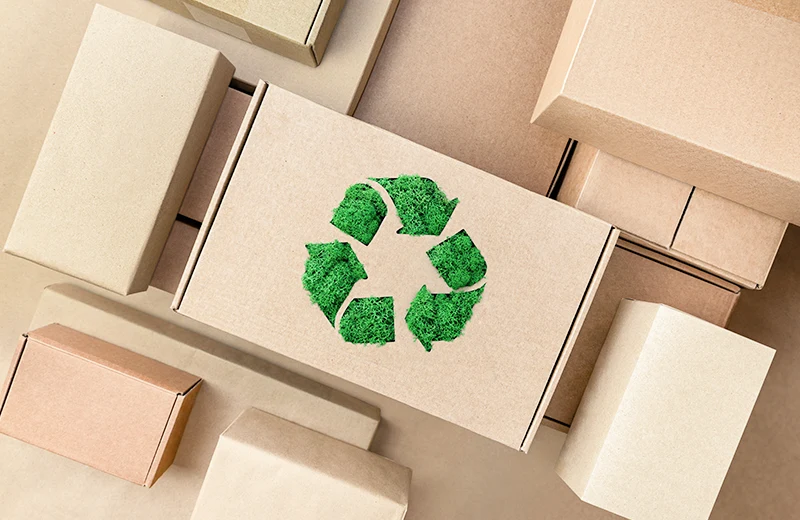
L’emballage du vin du futur est motivé par la durabilité, commodité, et intégration numérique, miser sur les matériaux recyclables, formats alternatifs, et des conceptions optimisées pour le commerce électronique et les expériences de déballage premium.
La durabilité comme exigence de base
La performance environnementale n’est plus un argument de vente de niche mais une attente fondamentale. L'accent a été mis sur les matériaux et les conceptions qui réduisent l'impact environnemental et simplifient le processus de recyclage pour toutes les personnes impliquées..
- Un virage vers le recyclable, réutilisable, et les matériaux à faible impact sont désormais une attente standard, pas une fonctionnalité premium.
- Les boîtes recyclables en carton ondulé et en papier sont de plus en plus utilisées pour atteindre les objectifs de développement durable.
- Des conceptions mono-matériaux sont adoptées pour simplifier le processus de recyclage pour les consommateurs.
- L'esthétique minimaliste avec moins d'encre et moins de couches non essentielles gagne en popularité pour réduire les déchets..
Allègement et formats alternatifs
Poussé par les émissions élevées des transports et la demande de commodité des consommateurs, l'industrie recherche activement des emballages plus légers et s'étend au-delà de la bouteille en verre traditionnelle. La praticité est un moteur commercial majeur.
- La réduction du poids des bouteilles en verre traditionnelles contribue à réduire à la fois les émissions et les coûts de transport..
- L’utilisation du bag-in-box, canettes, et les bouteilles PET s'agrandissent pour plus de commodité, portabilité, et portions individuelles.
- Les concepts émergents de bouteilles en papier sont explorés comme briquets., option plus recyclable.
- Des formats plus faciles à transporter, magasin, et les navires sont prioritaires en raison de la demande claire des consommateurs.
Emballage intelligent et intégration numérique
L’emballage se transforme en une passerelle numérique. La technologie embarquée connecte les établissements vinicoles aux consommateurs, améliore la narration de la marque, et ajoute une couche de confiance et de sécurité tout au long de la chaîne d'approvisionnement.
- Les codes QR et les balises NFC sont intégrés pour la narration de la marque, authentification du produit, et traçabilité.
- Réalité augmentée (RA) est utilisé sur les étiquettes et les boîtes pour créer des expériences de consommation interactives.
- Des couches numériques sont ajoutées à l'emballage pour fournir des informations supplémentaires sans altérer la conception physique.
- Cette technologie permet d'engager les clients et de vérifier la provenance des produits, du vignoble au rayon..
Optimisation et premiumisation du commerce électronique
En tant que vente directe au consommateur (DTC) les ventes continuent de grimper, l’emballage doit remplir deux rôles: il doit être suffisamment durable pour l’expédition et suffisamment élégant pour offrir une expérience de déballage haut de gamme qui renforce la qualité de la marque.
- L'emballage est conçu pour être plus durable afin de résister à l'expédition et de réduire la casse lors des ventes DTC..
- La fonctionnalité de protection est combinée à des textures et des conceptions structurelles haut de gamme pour une expérience de déballage haut de gamme.
- Les boîtes sont désormais dimensionnées afin de réduire le poids volumétrique et les coûts de transport pour les détaillants en ligne..
- Les marques investissent dans des designs de boîtes distinctifs qui communiquent efficacement le luxe ou la qualité artisanale à l'arrivée.
Foire aux questions
Ce qui rend l’emballage du vin attrayant?
Un emballage de vin attrayant allie une particularité visuelle, indices premium, et une communication de marque claire. Pour les coffrets à vin, cela signifie utiliser des formes raffinées, textures tactiles (comme le gaufrage ou les finitions soft-touch), palettes de couleurs contrôlées, et typographie élégante. Le design doit signaler la qualité et le style du vin tout en se distinguant en rayon..
Pourquoi les vins de luxe utilisent des coffrets personnalisés?
Les vins de luxe utilisent des coffrets personnalisés pour protéger les bouteilles de grande valeur, prestige du signal, et justifier d'un prix majoré. La personnalisation permet des matériaux de qualité supérieure, inserts techniques qui empêchent la casse, et une expérience de déballage améliorée grâce à des fonctionnalités telles que des fermetures magnétiques et des doublures en tissu. La boîte devient un élément clé du storytelling et de la valeur perçue de la marque.
Quelles sont les dernières tendances en matière d'emballage du vin?
Les principales tendances incluent une évolution vers des formats alternatifs comme les boîtes de vin, un accent sur la durabilité avec des matériaux recyclés et légers, et la premiumisation de ces formats alternatifs. D'autres tendances mettent l'accent sur l'engagement tactile à travers les textures, intégration numérique via des codes QR ou des tags NFC pour la narration, et des conceptions qui offrent une utilité après l'achat.
Quels matériaux sont utilisés pour les coffrets à vin haut de gamme?
Les boîtes à vin haut de gamme utilisent souvent du carton rigide, papiers spéciaux, bois, ou autres matériaux décoratifs selon l'aspect recherché, niveau de protection, et positionnement de la marque. Les inserts de protection sont fabriqués à partir de matériaux comme la pâte moulée, ou carton découpé, tandis que les boîtes haut de gamme peuvent comporter des doublures en tissu comme le velours ou le satin..
Comment l'emballage affecte-t-il les ventes de vin?
L'emballage a un impact direct et significatif sur les ventes de vin en influençant les décisions d'achat des consommateurs au point de vente.. Éléments tels que la conception d'étiquettes, structure en boîte, et le choix des matériaux attirent l'attention et agissent comme des signaux de qualité et de prix. Pour de nombreux acheteurs, l'emballage est la première source d'information, et un design haut de gamme peut justifier un prix plus élevé et augmenter la valeur perçue.
Les coffrets de vins durables sont-ils populaires?
Oui, les coffrets de vin durables deviennent de plus en plus populaires à mesure que les marques recherchent des solutions d'emballage ayant un impact environnemental moindre. De nombreuses entreprises adoptent des matériaux recyclables à base de papier, structures légères, et des processus d'impression respectueux de l'environnement pour réduire les déchets tout en conservant une apparence haut de gamme et une protection du produit..
Pensées finales
Alors que les options génériques offrent des coûts initiaux inférieurs, les risques pour la valeur perçue de votre marque sont immenses. Une boîte fragile ou une finition défectueuse contredit directement la qualité supérieure du vin à l'intérieur. La norme Quality Factory décrite ici constitue votre défense contre une mauvaise expérience de déballage qui érode la confiance des clients et les achats répétés..
Ne devinez pas sur la qualité : vérifiez-la. Nous vous recommandons de commencer par une commande d'échantillon pour tester nos finitions, intégrité structurelle, et une précision d'impression de première main. Contactez notre équipe pour discuter des exigences d’emballage spécifiques à votre marque et explorer les spécifications OEM.