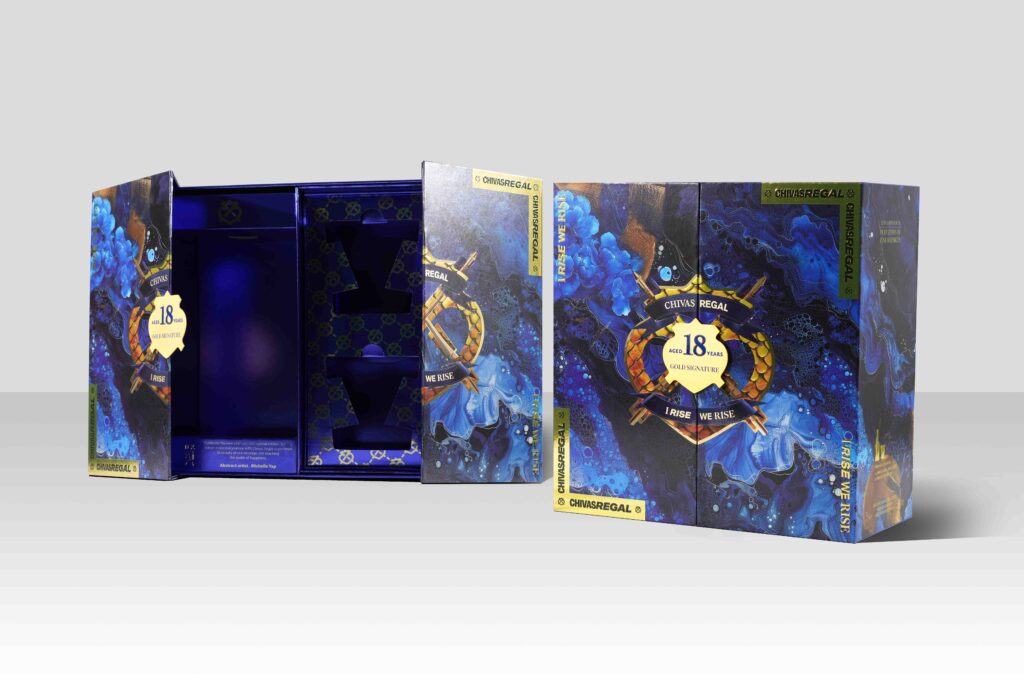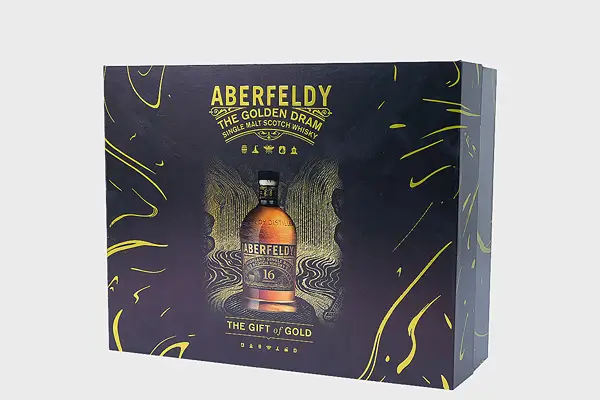
Choosing the wrong wine boxes can increase costs and create avoidable risks for brands. Focusing only on unit price may lead to shipping damage, weaker shelf presentation, and a less consistent brand image in a competitive market.
This guide compares common packaging formats based on practical performance factors. It looks at the protection offered by corrugated shippers for e-commerce and the premium feel of rigid paperboard with finishes like hot foil stamping, helping brands match the box to the right sales channel.
What Are Wine Boxes and Why Do Brands Need Them?
Wine boxes are engineered packaging systems, not just containers. They are a critical asset for logistics, marketing, and preserving the integrity of the wine itself.
Defining Wine Boxes: More Than Just a Container
A wine box is a specialized packaging system designed to contain, protect, transport, and present wine. These boxes are constructed to hold either traditional glass bottles or an internal plastic bag for bag-in-box (BiB) formats, serving functions far beyond simple storage. The specific structure depends entirely on the job it needs to do, from getting a case safely to a distributor to making a bottle look like a premium gift on a retail shelf.
Key types in the industry include:
- Corrugated shipping cartons: These are the workhorses of the wine supply chain, built with internal dividers to prevent bottle-to-bottle impact and ensure cases can be stacked efficiently on pallets.
- Premium gift boxes: Often made from rigid paperboard or wood, these boxes are designed for presentation. Their primary role is to enhance the perceived value of the wine for gifting or special occasions.
- Bag-in-Box (BiB) dispensers: This format combines a protective outer cardboard box with an internal, collapsible plastic bag and a dispensing tap. The box provides structure and a surface for branding, while the bag system protects the wine from oxygen.
The Strategic Importance of Wine Boxes for Brands
For wine brands, the box is more than a packaging cost. It affects product protection, brand presentation, and operational efficiency, especially when shipping damage or weak shelf presence becomes an issue.
- Protects Product Integrity: A well-designed box prevents breakage during the chaotic journey from winery to consumer. It also shields the wine from light and, in the case of BiB formats, oxygen, both of which can ruin the product before it’s ever opened.
- Acts as a Marketing Tool: The box is often the first physical interaction a customer has with the brand. It serves as a mobile billboard to build image, enhance perceived value, and grab attention in a crowded retail environment. A premium box makes a standard bottle feel like a luxury gift.
- Improves Logistics: Standardized, sturdy boxes enable safe shipping and efficient stacking in warehouses and on pallets. This directly reduces costs from product damage and optimizes the entire supply chain.
- Extends Shelf Life: Bag-in-box formats are particularly effective at extending the life of an opened wine, keeping it fresh for weeks. This reduces waste for both home consumers and restaurants running by-the-glass programs.
Different Types of Wine Boxes
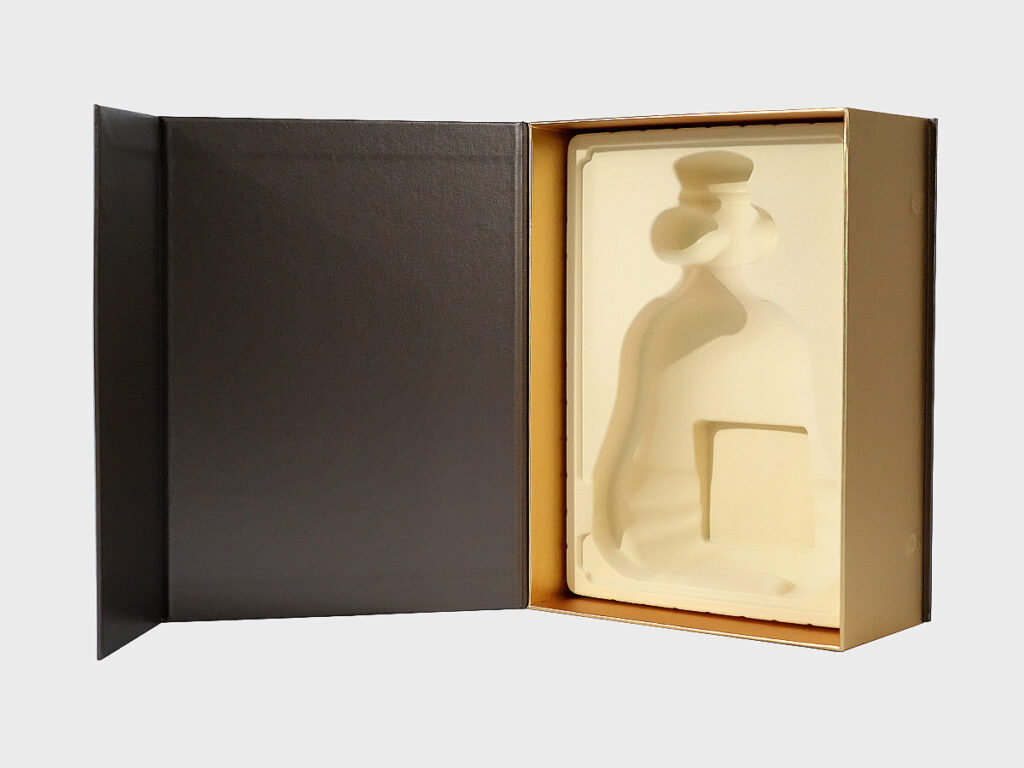
Wine boxes are not one-size-fits-all. They range from rugged cardboard shippers for e-commerce to elegant wooden cases for high-value gifts, each engineered for a specific job.
Boxes for Gifting and Premium Presentation
When presentation is everything, premium boxes deliver. Wooden boxes provide a classic, elegant look for high-value wines and are frequently customized with engravings for a personal touch. For top-tier occasions, luxury boxes might use materials like leather or velvet and even include accessories such as a branded corkscrew. Special formats, like drawer-style or hinged-lid boxes, elevate the unboxing into a memorable experience, making them a strong choice for exclusive gifts, corporate rewards, and premium retail displays.
Boxes for Shipping and E-commerce
Shipping boxes are built for one primary purpose: secure transport. Aesthetics take a backseat to protection. Their core feature is the internal structure—grids, dividers, or molded inserts that immobilize bottles to prevent breakage during transit. Cardboard is the standard material due to its effective balance of low weight and strength. These boxes are an essential tool for wineries, distributors, and any online store that ships orders directly to customers.
Customizable Cardboard Boxes for Retail and Promotions
Customizable cardboard boxes are the versatile and cost-effective workhorse for branding and marketing. They allow for complete personalization with logos, corporate colors, and promotional messaging. This makes them a popular choice for corporate gifts, in-store product launches, and seasonal offers. Some designs also feature open fronts or display windows to showcase the bottle at the point of sale, grabbing customer attention on a crowded shelf.
Common Capacities and Bottle Formats
A wine box’s size should match the bottle and its protection requirements. Proper sizing is crucial to stop bottles from shifting during transit, which requires matching the box to the specific bottle type—typically accommodating heights of 30-36 cm and diameters of 7.5-9 cm. Boxes are most commonly designed to hold one, two, three, four, six, or twelve bottles. While these standard counts dominate the market for logistical efficiency, custom-capacity boxes can be produced for special collections or unique formats.
Sustainable Luxury Packaging, Built for Scale
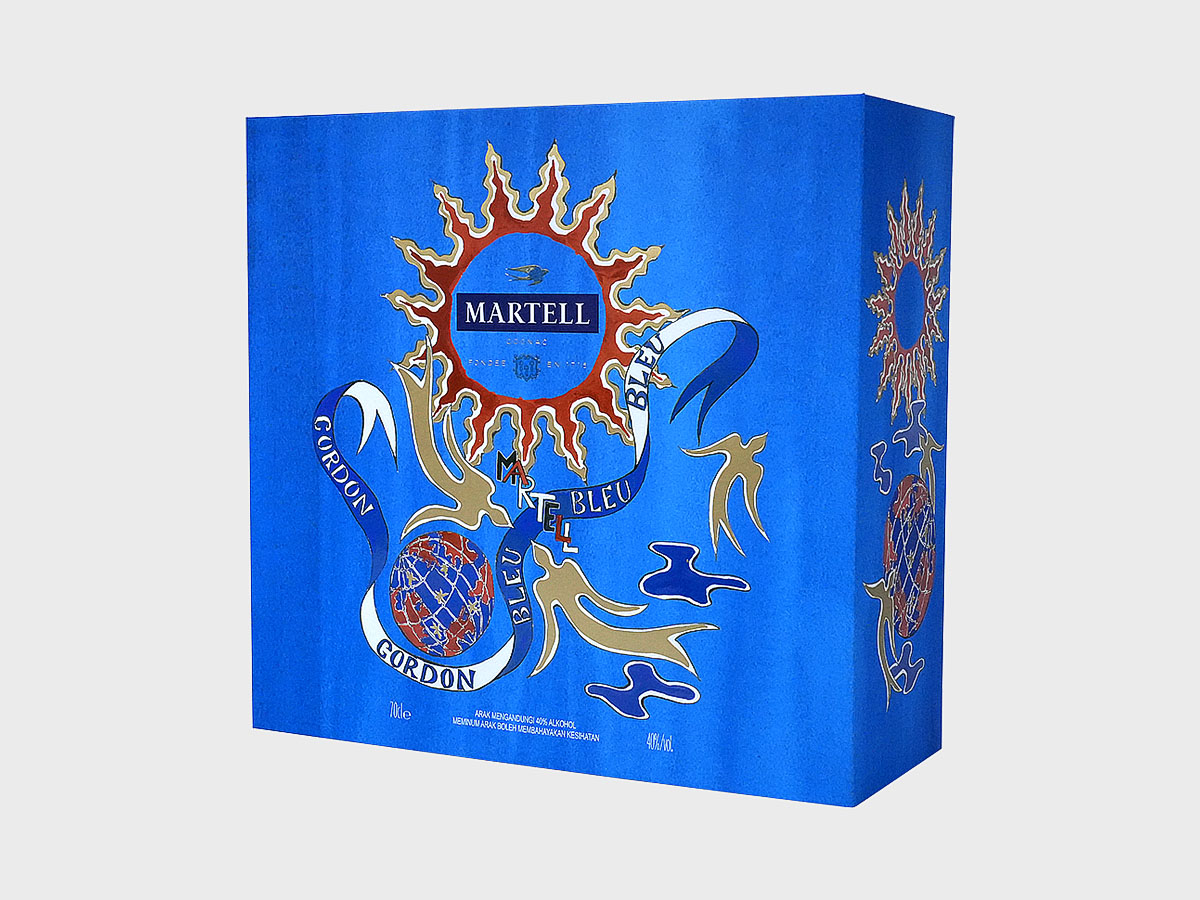
Wine Box Materials and Structure Options
Selecting the right wine box means balancing protection, presentation, and cost. Corrugated board is for shipping, rigid paperboard is for retail, and wood is for luxury gifts.
Choosing how to package wine isn’t just about putting it in a container; it’s a strategic decision that affects brand perception, logistics costs, and whether the bottle arrives in one piece. The material and structure must align with the wine’s value, sales channel, and brand story. Let’s break down the main options.
Core Material Options
The foundation of any wine box is its core material. This choice dictates the box’s strength, feel, and printing capabilities.
- Rigid Paperboard (Greyboard): This is the workhorse for premium retail and gift boxes. Its dense, sturdy structure provides a high-end feel and a smooth surface perfect for high-quality printing, foil stamping, and embossing.
- Corrugated Cardboard: With its high strength-to-weight ratio, corrugated is the undisputed king of e-commerce and bulk shipping. It’s cost-effective and engineered for protection against drops and compression.
- Wood (Solid & Engineered): Reserved for luxury gifts and collectible editions, wood offers unmatched durability and a traditional, high-end presentation. Options range from classic pine and oak to more cost-effective engineered wood panels.
- Internal Protection Materials: These aren’t the box itself, but the critical components inside. Molded pulp, EVA foam, and die-cut card inserts provide essential shock absorption and hold bottles securely in place to prevent contact and breakage.
Common Structural Formats
Beyond the material, the box’s structure defines how it functions, from shipping efficiency to the customer’s unboxing experience.
- Rigid Set-Up Boxes: These come pre-assembled and feel substantial. Styles like lift-off lids or magnetic closures offer a premium experience ideal for gifting, where the box itself is part of the product’s value.
- Foldable & Collapsible Boxes: To save on freight and storage, these boxes are shipped flat and assembled at the point of use. They can still achieve a high-end look with magnetic closures and quality paper wraps, offering a practical compromise.
- Corrugated Shippers: These are boxes engineered purely for transport. They almost always feature die-cut partitions or molded pulp inserts to create individual cells that separate and protect each bottle during transit.
- Wooden Crates and Tubes: These are specialty structures used for high-value presentation. A wooden crate signals long-term storage or collectibility, while a branded tube offers a unique format for single-bottle gifts.
Matching Options to Specific Use Cases
The right combination of material and structure depends entirely on the job the box needs to do.
- For Retail & Gifting: Shelf appeal is paramount. Rigid paperboard or wooden boxes deliver the visual and tactile quality that justifies a premium price point.
- For E-commerce & Shipping: Safety is the only priority. Corrugated shippers with certified protective inserts are the non-negotiable industry standard for getting bottles to customers intact.
- For Collectibles & Long-Term Storage: Durability matters most. Wooden crates offer the best long-term protection against physical damage and light for high-value wines.
- For Eco-Conscious Brands: The material tells the story. Focusing on recyclable corrugated, biodegradable molded pulp inserts, and FSC-certified paperboard aligns the packaging with sustainability goals.
Comparative Overview of Key Choices
A side-by-side comparison makes it easier to weigh the trade-offs between protection, cost, and presentation.
| Material | Protection Level | Cost Tier | Ideal Use Case | Sustainability Notes |
|---|---|---|---|---|
| Rigid Paperboard | Medium | Medium | Retail & Gifting | Recyclable; specify FSC-certified board. |
| Corrugated Cardboard | High | Low | E-commerce & Logistics | Highly recyclable with high recycled content. |
| Wood (Solid & Engineered) | High | High | Luxury Gifts & Collectibles | Durable and reusable; source certified timber. |
| Molded Pulp (Inserts) | High | Low–Medium | Eco-friendly Shipping Inserts | Biodegradable and fully recyclable. |
| EVA Foam (Inserts) | Very High | Medium–High | Luxury Gift Box Inserts | Limited recyclability; chosen for precision protection. |
Printing and Finishing Methods for Wine Boxes
The right printing and finishing methods transform a box into a premium brand asset, using texture and visuals to communicate value before the bottle is even opened.
Core Printing Methods
The printing method you choose dictates the visual quality and cost-effectiveness of your wine box production. Each has a specific role, from high-volume precision to small-batch personalization.
- Offset Printing: This is the industry standard for high-volume, premium wine boxes. It delivers superior color accuracy, making it the go-to for reproducing exact brand logos and detailed photographic images on art paper wraps.
- Digital Printing: Best suited for short runs, prototypes, and personalized gift boxes. Digital printing allows for variable data like custom names or messages without the upfront cost of creating printing plates.
- Screen Printing: This method is used for applying bold, opaque colors or for printing directly onto difficult surfaces that can’t go through a standard press. Think of logos on wooden boxes, fabric-wrapped cases, or cylindrical tubes.
Surface Coatings and Lamination
Coatings are applied after printing to protect the box from scuffs and moisture. They also play a huge role in the final look and feel of the packaging.
- Matte & Gloss Lamination: A protective film applied to the printed surface. A matte finish provides a soft, modern look that diffuses light, while a gloss lamination makes colors appear more vibrant and reflective.
- Soft-Touch & Anti-Scratch Lamination: These are premium matte finishes. Soft-touch lamination gives the box a velvety, luxurious tactile feel. Anti-scratch lamination adds enhanced durability against scuffs, which is ideal for luxury gift boxes that will be handled frequently.
- Spot UV Coating: This involves applying a high-gloss coating to specific areas of the design, like a logo, brand name, or the vintage year. It creates a striking visual and tactile contrast when used on a matte-laminated surface.
Decorative Finishing Techniques
These techniques add texture and premium details that elevate the perceived value of the wine inside. They are crucial for creating packaging that stands out on the shelf.
- Hot Foil Stamping: This process uses a heated die to transfer metallic or pigmented foil onto the box. It adds a reflective, high-end metallic finish to logos, text, and borders, often in gold, silver, or copper.
- Embossing & Debossing: These techniques create a three-dimensional effect. Embossing raises parts of the paperboard, while debossing depresses them. This adds a subtle, tactile texture that encourages customers to touch the packaging.
- Combination Finish (Foil Emboss): A top-tier technique that combines foil stamping and embossing in a single pass. The result is a raised, metallic design element that communicates luxury and craftsmanship.
Structural Finishes and Add-ons
Beyond decoration, these manufacturing steps are about the physical construction and functionality of the box itself.
- Window Patching: A die-cut opening is created in the box and covered with a clear plastic film. This allows consumers to see the wine bottle and its label directly, combining the protection of a box with the visual appeal of the bottle.
- Die Cutting: This is the fundamental process of cutting the printed paperboard into the final, flat shape of the box (the “blank”) before it is folded and glued. The precision of the die cut ensures the box assembles correctly.
How to Choose the Right Wine Boxes Supplier
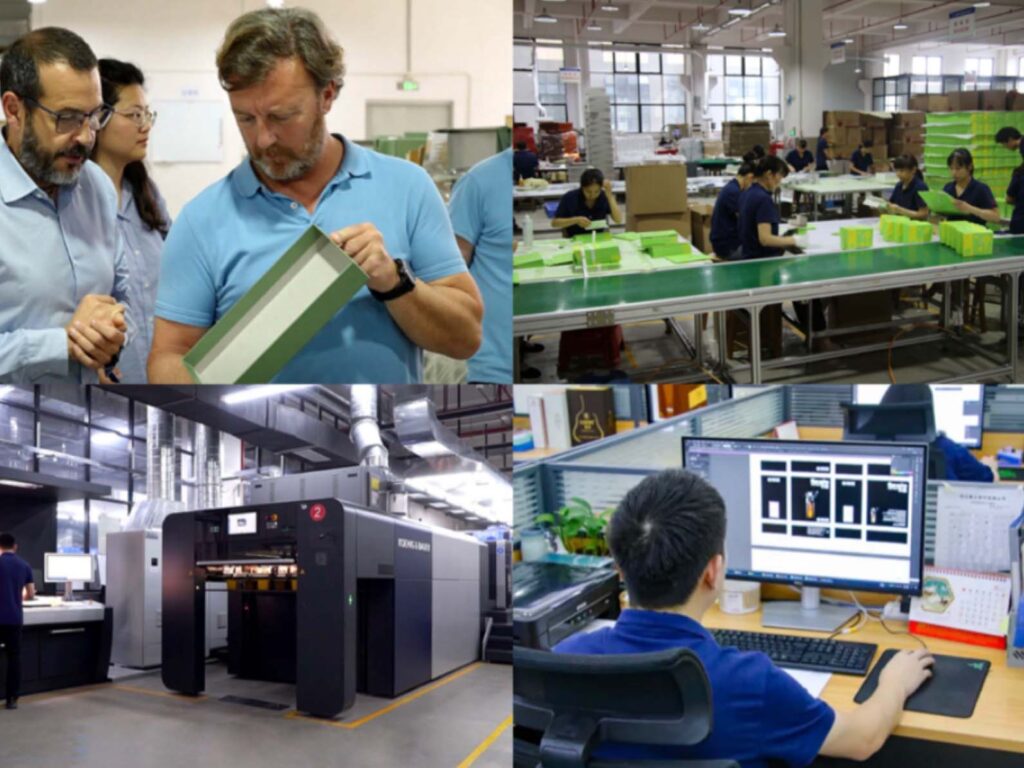
Selecting the right wine box supplier means vetting their technical skills, quality control, customization options, and total cost—not just the unit price.
Define Your Packaging Needs and Specifications
Before you even start looking for a supplier, you need a clear spec sheet. Without it, you’re just getting vague quotes. Your team needs to lock down what the box is actually for and what it must achieve.
- Primary Use Case: Is this for e-commerce shipping where protection is everything, a retail shelf where it needs to pop, or a premium gift set where the unboxing experience matters most? Each goal demands a different structure.
- Technical Specs: List the non-negotiables. This includes bottle dimensions (Bordeaux vs. Burgundy shapes matter), bottle count per box (e.g., 1, 2, 6, 12), required materials like corrugated board or rigid paperboard, and the type of inserts needed for protection.
- Branding Requirements: Outline your branding needs, from the number of print colors and specific Pantone values to finishing options like foil stamping or embossing and the complexity of your artwork.
- Sustainability Goals: If your brand has an eco-friendly stance, define it. Specify the required percentage of recycled content or demand certifications like FSC or PEFC for responsibly sourced paper.
Evaluate Production Capabilities and Quality Control
A supplier’s sales pitch is one thing; their factory floor and QC process are another. You need to verify they can actually make what you need, at the quality you expect, and on schedule.
- Production and Lead Times: Ask about their production capacity and standard lead times for both sampling (which should be 3-7 days) and mass production (typically 15-30 days). Can they handle your seasonal volume spikes?
- Structural Design Expertise: A good supplier does more than print. They should have in-house structural designers who can ensure a proper bottle fit, advise on board strength for transit, and prevent breakage.
- Physical Samples: Never skip this step. Request both structural (unprinted) samples to test the fit with your actual bottles and printed samples to validate material, color accuracy, and print quality.
- Quality Control Processes: Ask how they maintain quality. A serious supplier will have documented processes for inspecting incoming materials, ensuring color consistency across batches, and checking the integrity of the final assembled boxes.
Assess Customization, Branding, and Design Support
Your wine box is a key part of your brand. The supplier must have the tools and expertise to translate your brand’s identity into a physical product that connects with customers.
- Printing and Finishing Portfolio: Look at their past work. Can they execute the finishes you need, like embossing, hot foil stamping, or spot UV? Do they offer a range of print methods suitable for your run sizes?
- Custom Structural Design: Confirm they can handle custom structures beyond a standard box, such as unique window cutouts, magnetic closures, or drawer-style opening mechanisms.
- Brand Color Consistency: Verify their process for Pantone (PMS) color matching. Inconsistent color from one run to the next can cheapen your brand image.
- Proactive Design Advice: The best partners offer suggestions. Does their design team provide input on how to make your packaging more effective, manufacturable, or aligned with your brand’s luxury or eco-friendly position?
Verify Certifications, Compliance, and Sustainability Practices
Certifications aren’t just logos on a website; they are proof of a supplier’s commitment to quality, safety, and responsible practices. This is especially critical for export markets.
- Key Certifications: Ask for current copies of essential certifications. ISO 9001 shows a commitment to quality management, while FSC or PEFC certifications verify the use of responsibly sourced paper.
- Regulatory Compliance: Make sure the supplier can meet the rules for your target markets. For example, if you sell in the EU, their materials must be compliant with regulations like REACH.
- Sustainability Claims: Dig into their sustainability practices. Do they actually use recycled materials, or offer eco-friendly inks and coatings? Ask for evidence to back up their claims.
- Food-Contact Safety: For any packaging components that are near the wine, like adhesives or inks, request documentation confirming they are safe for food-contact applications.
Analyze Total Cost, Logistics, and Service Level
The cheapest unit price is rarely the best deal. You have to analyze the total cost of ownership, which includes everything from shipping and potential damages to the supplier’s reliability and communication.
- Total Cost Analysis: Compare quotes based on the total landed cost. This includes the unit price, one-time setup and tooling fees, and all shipping charges. A low unit price with high shipping costs is no bargain.
- MOQs and Price Tiers: Understand their Minimum Order Quantities (MOQs) and how the price per unit changes at different volume breaks. This helps you plan for both initial launches and larger, recurring orders.
- Communication and Project Management: How responsive is the supplier to your technical questions? A partner who communicates clearly and manages projects professionally will prevent costly surprises and delays.
- Logistics Capabilities: Discuss their shipping experience and capabilities. Are they familiar with shipping terms like FOB or DDP, and do they have a track record of successfully delivering to your destination markets?
Custom Wine Boxes Manufacturing Process
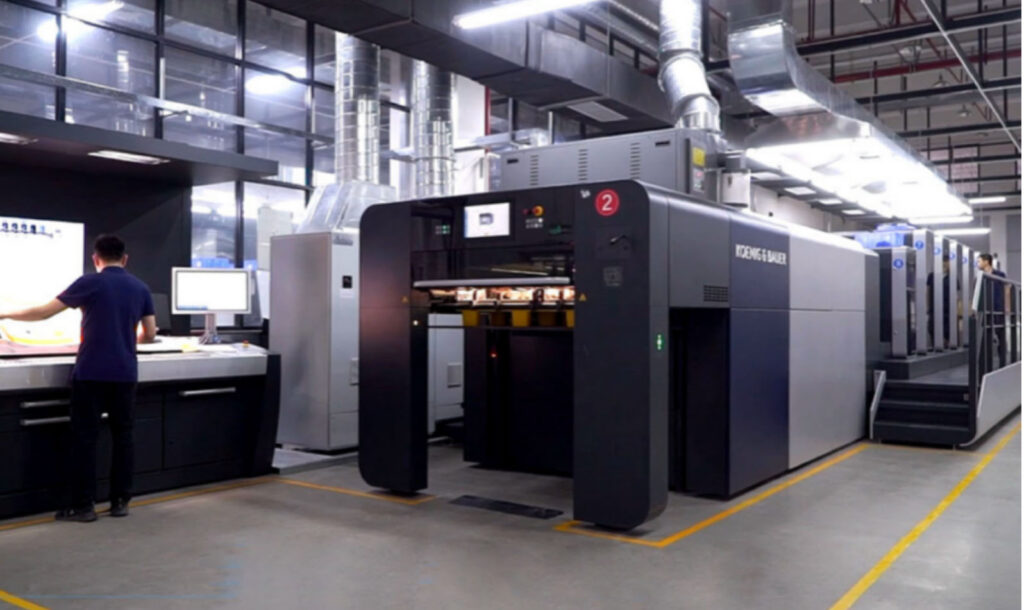
Custom wine box manufacturing is a structured process, moving from technical design and prototyping to printing, assembly, and rigorous quality control before shipment.
Consultation and Structural Design
The first phase is a technical deep-dive to translate your vision into a manufacturable product. It’s where you and the supplier lock in the core specifications to prevent issues down the line. The goal is to define a structure that not only looks right but performs correctly.
- The process starts by confirming the exact bottle dimensions, weight, and the desired box style you need.
- Engineers then design the box structure and any necessary inserts, ensuring a secure fit that prevents the bottle from moving during transport.
- A custom dieline file is developed, serving as the digital blueprint for all subsequent cutting and folding operations.
Prototyping and Sample Approval
Before committing to a full production run, you need to see and handle a physical sample. This critical step verifies that the design works in the real world, preventing costly mistakes and ensuring the final product matches expectations.
- A physical sample is produced to validate the box’s dimensions, structural strength, and the feel of the material.
- The prototype is tested with the actual wine bottle to guarantee a proper and secure fit.
- Artwork files are finalized and require explicit buyer approval on the sample before mass production begins.
Printing and Surface Finishing
Once the prototype is signed off, the factory moves into full production. This stage focuses on applying your branding and any protective or decorative finishes to the chosen raw material, turning flat sheets into visually appealing components.
- The primary material, whether it’s corrugated board, paperboard, or wood, is selected and prepared for production.
- Approved artwork is printed onto the material using industrial methods like offset or flexography for consistency.
- Surface finishes such as lamination, hot stamping, or embossing are applied for enhanced durability and aesthetic appeal.
Die-Cutting and Assembly
Here, the printed flat sheets are transformed into three-dimensional boxes. Precision is key, as the accuracy of the cutting and folding determines the final box’s structural integrity and ease of assembly at your facility.
- A custom-made die is used to cut the printed sheets into the precise, flat shape of the box.
- The cutouts are then machine-folded along pre-scored lines to form the box’s panels and flaps.
- Adhesive is applied, and automated machinery glues and assembles the components into the final box structure.
Quality Control and Shipment
The final step before your order leaves the factory is a thorough quality check. This ensures that every box in the run is consistent and meets the approved specifications, protecting your product and brand reputation.
- Inspectors conduct checks for dimensional accuracy, print color consistency, and structural integrity.
- Random fit tests are performed with the wine bottle to confirm it still fits securely in the finished boxes.
- Completed wine boxes are packed, either flat or pre-assembled, and prepared for shipping in a way that prevents damage from moisture or compression.
Frequently Asked Questions
What are wine boxes made of?
Wine boxes are typically made from corrugated cardboard for shipping and retail, or rigid paperboard for gift packaging. Wood is also a popular choice for premium and luxury wines due to its traditional aesthetic. Other less common materials include metal, plastic, and leather-like finishes for special editions.
What is the best material for a wine box?
There is no single ‘best’ material; the ideal choice depends on the box’s purpose. Corrugated cardboard offers the best balance of protection and cost for shipping. Rigid paperboard is excellent for gift presentation due to its smooth finish. Wood is preferred for luxury and collector’s editions to convey premium value.
How much do custom wine boxes cost ?
Custom wine boxes can range from as little as $0.30 per box for large orders of simple folding cartons to over $60 for a single engraved wooden box. Most commercial orders for branded cardboard or rigid boxes fall within the $1 to $8 per unit range, with price heavily dependent on quantity, material, and customization.
What size box fits a standard 750 ml wine bottle?
A box for a standard 750 ml wine bottle typically requires internal dimensions of around 30-32 cm in height and 8-9 cm in width and depth. This accommodates the most common bottle shapes, like Bordeaux and Burgundy, while providing a snug fit with minimal movement.
Can wine boxes include inserts?
Yes, inserts are a standard and essential component of wine boxes, especially for shipping. They are used to immobilize the bottle, prevent glass-on-glass contact, and absorb shock. Common types include molded pulp trays, foam cradles (EPS or EVA), and corrugated cardboard dividers.
Are paper wine boxes recyclable?
Most paper and cardboard wine boxes are recyclable, provided they are clean, dry, and free of non-paper materials like plastic laminates, heavy foils, or magnets. Contamination from wine spills or grease can prevent recycling, so it’s important to ensure the box is clean before placing it in the appropriate bin.
Final Thoughts
While generic wine boxes may lower upfront costs, they can also increase the risk of breakage and inconsistent presentation. A professionally engineered wine box helps protect the product and supports a more reliable brand experience.
Quality must be verified, not just specified. We recommend ordering a physical sample to test the structural integrity and bottle fit firsthand. Contact our team to review your technical requirements and initiate the prototyping process.