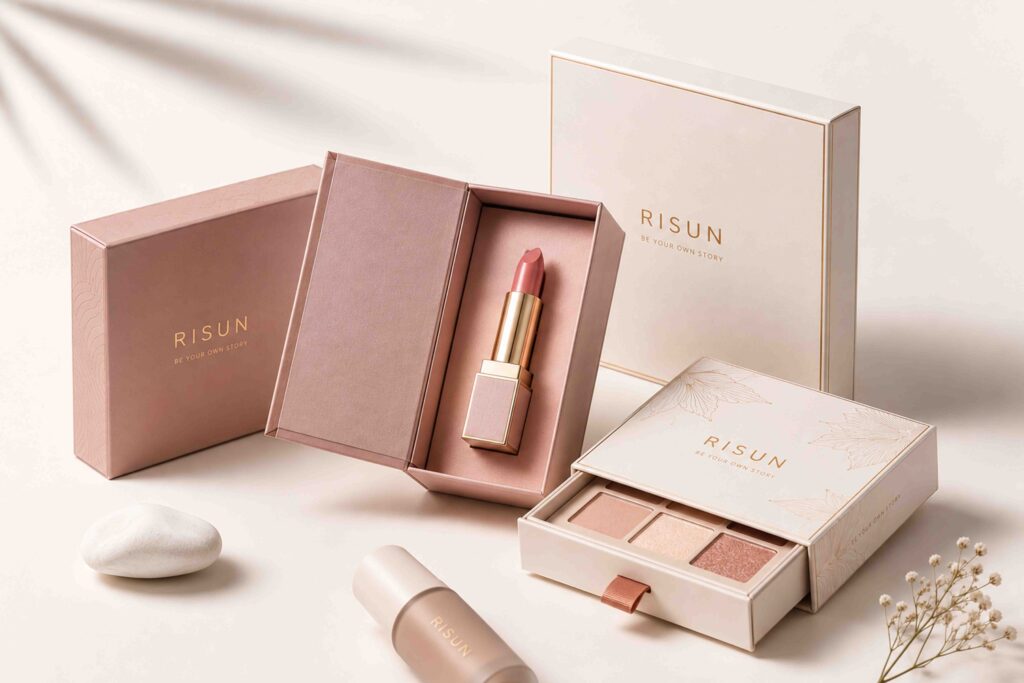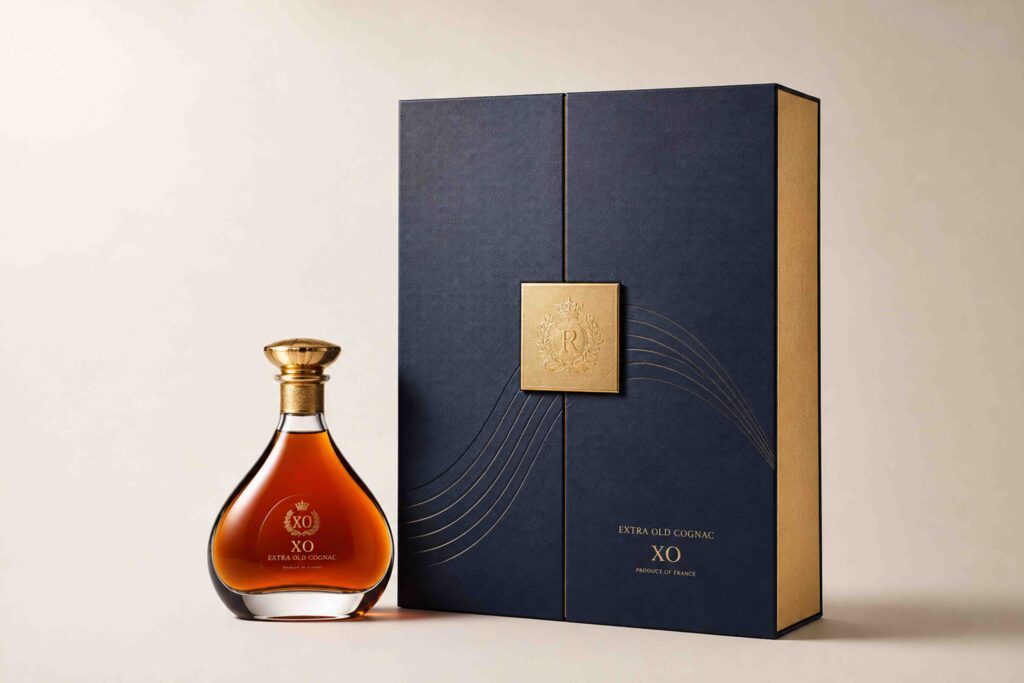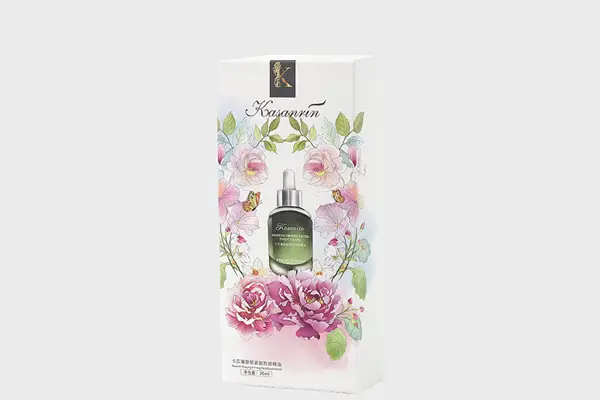
Cofanetti di bellezza di lusso combinano tecniche di stampa e finitura di alta qualità per creare un'esperienza di prodotto premium. Dalla stampa a caldo e in rilievo ai rivestimenti soft-touch, questa guida spiega come le diverse finiture migliorano il design del packaging e l'attrattiva del marchio.
Perché le finiture di lusso sono importanti
Le finiture di lusso non sono extra decorativi; sono risorse strategiche che elevano il valore del marchio, creare esperienze sensoriali, e giustificare direttamente un prezzo premium.
Elevare il valore percepito e il posizionamento del marchio
Prima ancora che il cliente apra la scatola, finiture come soft-touch, sventare, e la goffratura servono come segnali tangibili dell’alto valore di un prodotto. Nel mercato della bellezza, dove la sensazione tattile e gli effetti superficiali sono i principali identificatori del marchio, questi dettagli sono ciò che distingue i prodotti premium dalle alternative del mercato di massa.
L'imballaggio premium spesso richiede un investimento maggiore rispetto all'imballaggio standard a causa dei materiali aggiuntivi, complessità strutturale, e processi di finitura. Molti marchi utilizzano questi aggiornamenti per rafforzare la presentazione del prodotto e creare un'esperienza di marca premium più coerente.
Creare un'esperienza sensoriale di unboxing
Una texture vellutata e morbida al tatto, il peso notevole di una scatola rigida, e il soddisfacente clic di una chiusura magnetica trasformano l'unboxing da un compito banale in un rituale memorabile.
Per i consumatori di bellezza di lusso di oggi, la sensazione fisica della confezione: le sue superfici lisce, bordi puliti, e una costruzione precisa: è un'aspettativa di base. Questa esperienza multisensoriale si allinea direttamente con la sensazione di fascia alta dei prodotti per la cura della pelle e delle fragranze premium, rafforzando la promessa di qualità del marchio fin dal primo tocco.
Giustificare un prezzo premium
Le finiture premium richiedono investimenti aggiuntivi a causa di materiali e processi di produzione aggiuntivi. Tuttavia, per marchi di bellezza di lusso, tecniche come la stampa a caldo, goffratura, e i rivestimenti soft-touch possono contribuire a creare una presenza più forte sugli scaffali e un’esperienza del marchio più raffinata.
Metodi di stampa più diffusi per i beauty box
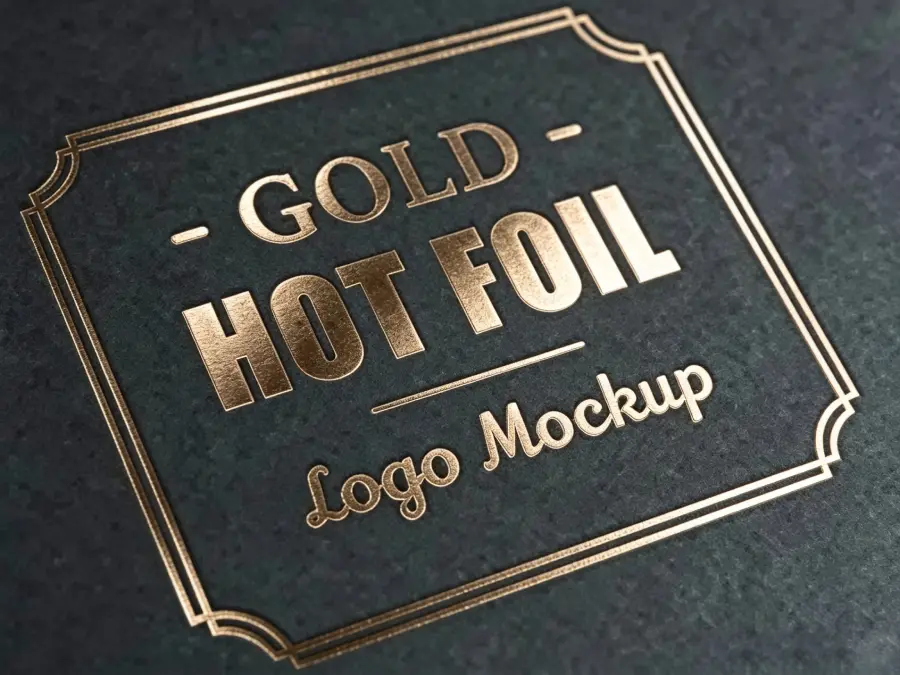
Il metodo di stampa giusto per la tua beauty box dipende dalla dimensione dell'ordine, complessità progettuale, e finitura desiderata. È una scelta strategica che bilancia la qualità, velocità, e costo.
Stampa offset e digitale per grafiche di grande impatto
Quando i beauty box richiedono grafiche dettagliate e colori coerenti del brand, la stampa offset è ampiamente utilizzata per tirature di produzione medio-grandi. Fornisce una riproduzione stabile dei colori e una qualità dell'immagine eccellente, rendendolo adatto ai cartoni per la vendita al dettaglio, set regalo, e progetti di packaging brandizzato.
Stampa digitale, d'altra parte, è il tuo punto di riferimento per le tirature brevi, edizioni limitate, o scatole personalizzate. Stampa direttamente da un file, ciò significa che puoi apportare rapide modifiche al design per campagne stagionali o kit di influencer senza sostenere costi per nuove lastre di stampa.
Sia i metodi digitali che quelli offset di alta qualità sono essenziali per creare i design visivamente ricchi che definiscono il mercato della bellezza.
Stampa flessografica per un semplice branding di scatole postali
La flessografia è comunemente utilizzata per stampare semplici loghi e testo sulle buste in cartone ondulato che trasportano i tuoi prodotti di bellezza. Questo metodo funziona meglio per disegni a uno o due colori stampati su materiale kraft standard o ondulato bianco.
Anche se non offre la qualità fotografica dell’offset, la sua alta velocità e i costi unitari estremamente bassi lo rendono la scelta più economica per grandi quantità di scatole postali esterne in cui è necessaria solo una marchiatura minima.
Stampa a caldo e goffratura per una sensazione premium
Le finiture sono ciò che elevano una semplice scatola a un'esperienza di lusso. La stampa a caldo applica lamine metalliche, come l'oro, argento, o il sempre popolare oro rosa, per creare riflessi, loghi e accenti di fascia alta che catturano la luce.
Per aggiungere una dimensione tattile, puoi usare entrambe le goffrature, che crea una texture 3D in rilievo, o incisione, che crea un'impressione incassata nel cartone. Queste tecniche aggiungono un senso tangibile di qualità e sono spesso combinate per evidenziare nomi di marchi e modelli su confezioni di cosmetici e set regalo di fascia alta..
Laminazione e rivestimenti UV per finitura e protezione
La laminazione e i rivestimenti hanno un duplice scopo: they create a specific aesthetic and protect the box from scuffs and fingerprints. La laminazione opaca fornisce un aspetto liscio, non-reflective finish that is heavily favored by premium skincare and minimalist brands for its understated elegance.
Al contrario, la laminazione lucida crea un effetto lucido, vibrant surface that makes colors pop and adds a layer of scratch resistance. Per un effetto più mirato, Spot UV coating applies a high-gloss finish to specific areas of the design. This creates a striking visual contrast against a matte background, drawing the eye directly to a logo or key design element.
Scelta di un metodo in base al tipo di scatola e alla quantità
The final decision comes down to the box’s function and your order volume.
Per un packaging di bellezza premium, the production method depends on the box structure and required appearance. Gli astucci pieghevoli vengono generalmente stampati direttamente su cartone, while rigid boxes often use printed wrapping paper applied over a solid board structure.
Per cartoni di singoli prodotti, la stampa offset diretta o digitale su cartone è la norma, spesso arricchito con un foglio, goffratura, e rivestimenti speciali.
Il fattore più critico è la quantità. Large runs of several thousand units make offset printing more economical per piece due to setup costs. Per tirature più piccole, the flexibility and lower setup cost of digital printing are almost always the better business decision.
Migliora il tuo marchio con un packaging di bellezza premium
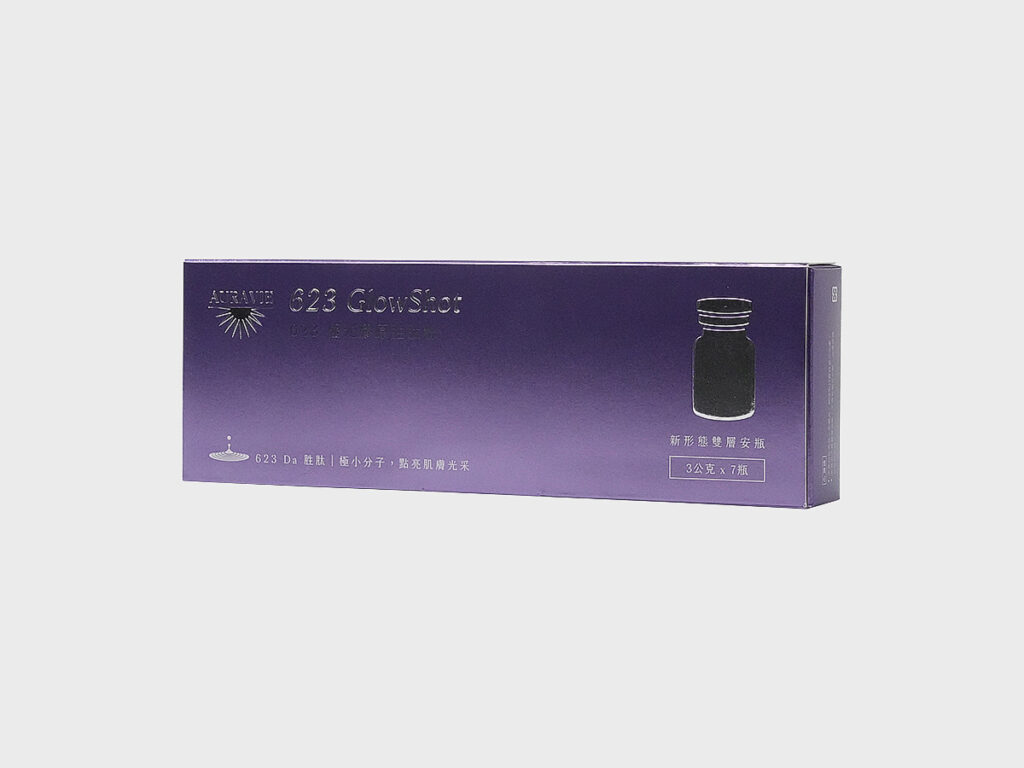
Effetti di stampa a caldo e goffratura
La stampa a caldo aggiunge lucentezza metallica mentre la goffratura fornisce profondità tattile. Combinandoli su beauty box si crea un'esperienza multisensoriale che segnala il massimo del lusso e dell'artigianato.
Stampa a caldo per impatto visivo e lusso
La stampa a caldo si applica in modo nitido, accattivanti riflessi metallici sul packaging che catturano immediatamente l'attenzione. Il riflesso brillante dell'oro, argento, o le lamine in oro rosa fanno risaltare un beauty box su uno scaffale affollato di negozi o in un video unboxing. Questa non è solo decorazione; è un segnale visivo diretto che segnala un premio, prodotto di alto valore prima ancora che il cliente tocchi la scatola.
I marchi utilizzano questa tecnica per creare loghi, nomi di marchi, e gli accenti decorativi chiave risaltano. Per un'estetica più mirata, le pellicole speciali offrono opzioni uniche. Una lamina olografica può creare un'atmosfera vibrante, effetto di cambiamento di colore ideale per collezioni di tendenza o in edizione limitata, mentre una lamina metallizzata opaca fornisce una texture metallica più sobria e sofisticata.
Goffratura per sensazione tattile e sottile raffinatezza
La goffratura produce un rilievo, immagine tridimensionale direttamente nel cartone. Questo effetto aggiunge un senso tangibile di qualità e artigianalità che i clienti possono provare, creando una potente connessione tattile con il marchio. Questa struttura fisica trasforma una semplice scatola in un oggetto più memorabile e sostanziale.
La tecnica può essere utilizzata senza inchiostro o pellicola in un processo noto come goffratura cieca. Questo crea un sottile gioco di luci e ombre sulla superficie rialzata, offrendo un look sofisticato che comunica un lusso tranquillo. Durante l'unboxing, passare il pollice su un logo o un motivo in rilievo fornisce un elemento sensoriale distinto che rafforza la natura premium del prodotto e l'attenzione ai dettagli.
Combinazione di lamine in rilievo per il massimo appeal sensoriale
La goffratura della lamina unisce l'esuberanza visiva della lamina metallica con la profondità tattile di una superficie in rilievo. Il processo crea elementi che sono sia lucidi che in rilievo, offrendo un potente uno-due alla vista e al tatto. Questo effetto stratificato è ampiamente riconosciuto come una finitura di alto livello nel settore della bellezza.
Perché offre il massimo valore percepito, questa combinazione è la scelta ideale per i prodotti di punta, scatole di profumi, e set regalo di lusso in cui il packaging è parte integrante dell'esperienza del prodotto. Crea un punto di contatto distintivo memorabile che lascia un'impressione duratura del marchio molto tempo dopo il completamento dell'unboxing.
Rivestimenti e texture speciali
Rivestimenti e texture speciali sono ampiamente utilizzati negli imballaggi di bellezza per creare diversi effetti visivi, esperienze tattili, e impressioni del marchio. La scelta giusta dipende dal posizionamento del prodotto, rivolgersi ai clienti, e requisiti di bilancio.
Laminazione di pellicole e rivestimenti liquidi
Dopo la stampa, è possibile applicare una pellicola sottile su una scatola per controllarne la lucentezza e aggiungere una specifica qualità tattile. Laminazioni di film come opache, lucentezza, e soft-touch sono scelte comuni. La laminazione soft-touch è particolarmente apprezzata nel settore della bellezza, creando una vellutata, consistenza quasi simile alla pelle che segnala immediatamente un prodotto di lusso. Questa finitura incoraggia il tocco ed eleva l'esperienza di unboxing.
In alternativa ai film, i rivestimenti liquidi come quelli acquosi e UV possono essere applicati direttamente sulla stampa. Questi rivestimenti offrono protezione e vari effetti visivi. Una tecnica ampiamente utilizzata è l’UV spot, dove una vernice lucida viene applicata ad aree specifiche del design, come un logo o un motivo, su una base opaca. Ciò crea un netto contrasto visivo e tattile che attira lo sguardo e aggiunge uno strato di raffinatezza.
Texture strutturali e scolpite
Oltre la sensazione della superficie, le texture possono essere scolpite fisicamente nella confezione stessa. La goffratura solleva gli elementi di design dalla superficie, mentre l'incisione li preme, creando un tangibile, effetto tridimensionale.
Queste tecniche sono spesso utilizzate sui loghi, monogrammi, e modelli chiave per trasmettere un senso di artigianalità e un'elevata sensazione del marchio. Se utilizzato senza inchiostro o pellicola, si chiama goffratura cieca o debossing, offrendo una texture sottile e sofisticata perfetta per un marchio minimalista.
Un altro modo per ottenere una consistenza è utilizzare fin dall'inizio carte ruvide. Carte con motivi preformati che imitano il lino, pelle, oppure forme geometriche possono essere avvolte attorno a scatole rigide. Ciò conferisce alla scatola una qualità tattile intrinseca che sembra premium prima ancora che vengano applicate eventuali finiture aggiuntive.
Finiture metallizzate e di grande impatto
Lo stampaggio a caldo è una finitura ideale per un impatto elevato. Il processo utilizza calore e pressione per applicare il metallo, olografico, o fogli pigmentati sulla superficie della scatola, che segnala immediatamente un prodotto premium.
Nel settore della bellezza, i colori della lamina più comuni sono l'oro, argento, e oro rosa, tipicamente applicato ai loghi, confini, e altri accenti decorativi per catturare la luce. Per un'alternativa più morbida alla pellicola croccante, inchiostri metallici e rivestimenti perlescenti possono fornire un effetto scintillante su aree più grandi.
Le pellicole olografiche sono un'altra opzione, utilizzato per creare un look futuristico o giocoso. Questo effetto viene spesso scelto per cosmetici colorati o collezioni in edizione limitata che vogliono distinguersi con uno stile dinamico, aspetto che cambia colore che funziona bene sui social media.
Combinazioni di finiture chiave e criteri di selezione
I marchi raramente utilizzano una sola finitura. Una combinazione classica ed efficace è la laminazione opaca abbinata a spot UV su loghi o testo chiave. Ciò fornisce un forte contrasto visivo a un costo moderato, rendendolo un cavallo di battaglia per molte scatole per la cura della pelle e il trucco. Per una bellezza di prestigio, è comune un approccio più multisensoriale, combinando la laminazione soft-touch, Stamping in lamina, e goffratura per creare strati di texture e lucentezza.
La scelta finale delle finiture dipende interamente dal posizionamento del marchio. Sostenibile o “bellezza pulita” i marchi spesso optano per rivestimenti acquosi con goffratura cieca per aggiungere interesse tattile riducendo al minimo i materiali. I marchi di lusso tendono a favorire i ricchi, strati tattili per giustificare un prezzo più alto, mentre i marchi del mercato di massa possono dare priorità a una finitura lucida per ottenere il massimo impatto su uno scaffale affollato.
Combinazione di più tecniche di finitura
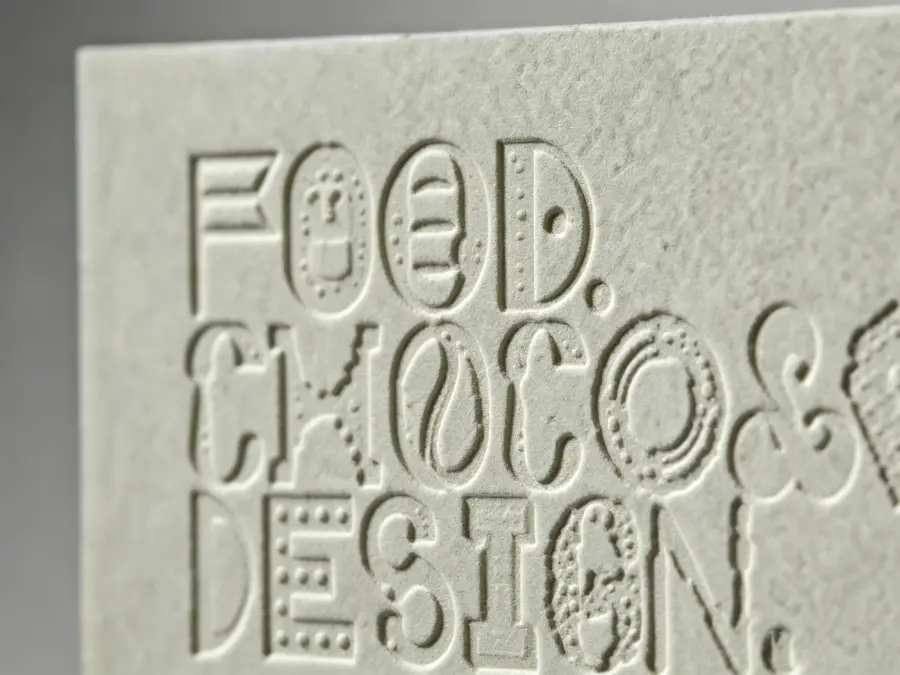
Le finiture a strati non sono casuali. È un processo strategico che bilancia l’identità del marchio, sensazione tattile, e la realtà produttiva per massimizzare il valore percepito ed evitare un disordine, aspetto di fascia bassa.
Combinazioni di finiture collaudate per tipo di Beauty Box
Nel settore della bellezza, la finitura della scatola è il marchio. Alcune combinazioni sono standard del settore perché raggiungono in modo affidabile una posizione di mercato specifica. L'utilizzo di combinazioni di finitura consolidate può aiutare i marchi a bilanciare l'impatto del design, fattibilità della produzione, e il costo complessivo dell'imballaggio.
| Tipo di scatola di bellezza | Combinazione di finiture collaudata |
|---|---|
| Scatole pieghevoli di alta qualità | Combina la laminazione soft-touch con spot UV su un logo e un piccolo dettaglio in lamina. Ciò offre un elevato valore percepito a un costo unitario gestibile. |
| Scatole rigide di lusso | Utilizzare la laminazione soft-touch come base, quindi sovrapporre la stampa a caldo e l'embossing/debossing. La combinazione crea profondità tattile e qualità ricordo. |
| Pulito & Estetica clinica | Abbina la laminazione opaca alla goffratura cieca o al debossing. Ciò raggiunge un sottile, sofisticato “lusso tranquillo”.’ sentirsi senza metallizzati o lucidi. |
| Grassetto & Scatole giovanili | Utilizza la laminazione lucida con una vibrante lamina olografica e UV spot ad alto contrasto per creare energia e risalto visivo, ideale per i marchi di tendenza. |
Design strategico e allineamento del marchio
Prima ancora di pensare a finiture specifiche, devi definire l’obiettivo emotivo del marchio. È precisione clinica, caldo benessere, o lusso audace? Questa stella polare determina ogni scelta successiva. Inizia selezionando una finitura di base primaria, come opaco o soft-touch, che definisce il tono generale e l'esperienza tattile.
Poi, aggiungi finiture di evidenziazione secondarie, come lamina o UV spot, in modo mirato. Questi accenti dovrebbero attirare l’attenzione su ciò che conta: il logo, affermazioni chiave, o modelli unici.
In molti progetti di packaging, limitare il numero di tecniche di finitura aiuta a mantenere un design pulito e coerente. Troppi effetti possono ridurre la chiarezza visiva e aumentare la complessità della produzione.
Regole tecniche di produzione e di lavorazione
Combinare le finiture non è solo un esercizio di design; è una sequenza di produzione. Sbagliare questo porta a difetti e allo spreco di budget. È necessario comprendere e rispettare le regole di produzione fin dall'inizio.
- Sequenza di produzione: Le finiture devono essere applicate in un ordine specifico. La sequenza standard è in stampa, poi la laminazione, seguita dalla stampa a caldo, spot UV, e infine goffratura o debossing. Diversamente da ciò si possono verificare problemi di adesione o danni agli strati precedenti.
- Strati di opere d'arte: I file di progettazione devono essere impeccabili. Ogni finitura richiede la propria separata, strato vettoriale perfettamente allineato per garantire una registrazione accurata sulla macchina da stampa. Qualsiasi disallineamento, anche di una frazione di millimetro, sarà visibile.
- Limitazioni fisiche: Evitare sovrapposizioni di finiture complesse laddove fisicamente incompatibili. Per esempio, l'applicazione della pellicola sopra un'area molto in rilievo può causare la rottura della pellicola o la mancata adesione corretta.
- Conferma del fornitore: La regola più importante è confermare con il proprio fornitore la fattibilità tecnica della combinazione desiderata già nella fase di progettazione. Conoscono i limiti delle loro attrezzature e possono segnalare potenziali problemi prima che tu ti impegni in un progetto.
Gestione dei costi e sostenibilità
Ogni finitura è una voce che si aggiunge al costo unitario finale. Invece di budget per le singole tecniche, è più intelligente pianificare un costo totale di finitura. Ciò ti costringe a dare la priorità a quali effetti offrono il maggior valore del marchio in termini di denaro.
Per i marchi che necessitano di offrire livelli diversi, una strategia economicamente vantaggiosa consiste nell'utilizzare una base premium come la laminazione soft-touch con una singola, accenti di grande impatto come spot UV sul logo. Ciò crea un netto miglioramento della qualità senza il costo di uno stack multi-finitura completo.
Alcuni rivestimenti e finiture decorative possono influire sulla riciclabilità degli imballaggi in cartone, pertanto i marchi dovrebbero considerare attentamente la scelta dei materiali in base alle loro esigenze di imballaggio.
Per i brand con obiettivi di sostenibilità, la carta non patinata testurizzata combinata con la goffratura può fornire un effetto tattile premium senza pellicole di plastica. Questa tecnica raggiunge un effetto tattile, esperienza di lusso senza aggiungere pellicole di plastica, allineando la confezione fisica al messaggio del brand.
Scegliere il giusto partner di produzione
Valutare un partner del beauty box significa guardare oltre il prezzo. Dare priorità alla conformità verificabile dei cosmetici (ISO 22716), abilità tecnica con finiture premium, e comprovata affidabilità operativa per proteggere il vostro marchio.
Trovare un produttore per i tuoi beauty box non significa solo ottenere un buon prezzo. Nel mondo della cosmesi, il tuo partner per l'imballaggio è un'estensione del tuo marchio, e qualsiasi fallimento da parte loro ha un impatto diretto sulla tua reputazione. Ciò significa che il processo di valutazione deve essere disciplinato, concentrandosi sulle capacità e sulle credenziali specifiche che contano in questo settore.
Dare priorità alla conformità e alle certificazioni
Prima ancora di discutere di prezzi o capacità, è necessario verificare la conformità di un potenziale partner. Un fornitore senza le corrette certificazioni per il packaging dei cosmetici non è un partner; sono una responsabilità. Questo è il primo e più importante filtro.
Confermare se il fornitore dispone di certificazioni di gestione della qualità pertinenti ed esperienza nel settore dei cosmetici. Per produttori di imballaggi per beauty box, certificazioni come ISO 9001, documenti di conformità dei materiali, e le procedure di controllo qualità sono spesso più direttamente correlate alla produzione degli imballaggi.
- Richiedi e verifica in modo indipendente tutti i certificati. Non accettare semplicemente un PDF. Verificare la validità e la portata del certificato con l’organismo emittente. Per i marchi che vendono a livello internazionale, garantire che il partner possa soddisfare le norme specifiche del mercato come il regolamento UE sui cosmetici 1223/2009.
- Assicurati di avere a che fare con un vero produttore, non solo una società commerciale. Review their official business scope and ask about their readiness for an audit. Una società commerciale aggiunge un livello di costi e rimuove la tua visuale diretta sul controllo qualità.
Valutare le capacità tecniche e di controllo qualità
Una volta confermata la conformità, you need to know if they can actually produce your box to the standard your brand requires. Beauty packaging is a specialized field with specific structural and aesthetic demands.
- Assess their experience with beauty-specific structures. Ciò include scatole rigide, folding cartons made from 250–400 g/m² paperboard, and precisely engineered custom inserts that hold products securely.
- Verify their capability in premium finishing techniques. Stampa a caldo, goffratura, spot UV, and soft-touch coatings are not optional luxuries in the beauty industry; sono aspettative standard. Chiedi di vedere campioni fisici del loro lavoro.
- Verificare la presenza di processi disciplinati di gestione del colore. La coerenza del marchio è tutto. Un partner serio utilizzerà gli standard Pantone, spettrofotometria, e illuminazione controllata per garantire che i colori del tuo marchio siano riprodotti accuratamente da un lotto all'altro.
- Confermare che la fabbrica esegue test di integrità strutturale. Soprattutto per i marchi di e-commerce, la scatola deve sopravvivere al viaggio fino al cliente. Chiedi informazioni sulle loro procedure per i test di caduta e di compressione per garantire la durata dell'imballaggio.
Valutare la sicurezza dei materiali e la preparazione alla sostenibilità
I materiali utilizzati nella confezione sono importanti tanto quanto il prodotto all'interno. Un buon partner sarà trasparente riguardo all’approvvigionamento dei materiali e pronto a soddisfare le moderne esigenze di sostenibilità.
Richiedere la documentazione materiale pertinente, come MSDS, ove applicabile, insieme alle informazioni sugli inchiostri, rivestimenti, e altri componenti dell'imballaggio. Questi documenti aiutano i marchi a valutare la conformità e l’idoneità dei materiali per i loro mercati target.
- Cerca fornitori che offrono Certificato FSC cartoncini e utilizzare inchiostri a basso contenuto di COV o a base acqua. Queste stanno rapidamente diventando aspettative di base per i marchi con un impegno pubblico verso la sostenibilità.
- Confermare che il partner può fornire opzioni più sostenibili come rivestimenti riciclabili e laminazione con plastica ridotta. Ciò dimostra che sono allineati con le attuali tendenze del mercato e possono aiutare il tuo marchio a raggiungere i suoi obiettivi ambientali.
Analizzare le prestazioni operative e l'affidabilità
Un bel prototipo non significa nulla se il fornitore non può produrlo su larga scala, in tempo, e allo stesso standard di qualità. Questa fase finale del controllo riguarda la conferma della loro disciplina operativa e affidabilità.
Valutare i fornitori in base alla loro pianificazione della produzione, prestazione di consegna, sistemi di controllo qualità, e capacità di rispettare le tempistiche concordate. Nel mercato della bellezza in rapida evoluzione, una consegna coerente è fondamentale per il lancio delle campagne e la gestione dell'inventario.
- Cercare prove di sistemi operativi robusti. Ciò include procedure formali di controllo qualità per i materiali in entrata, produzione in corso, e beni finali (IQC/IPQC/FQC), nonché registri di tracciabilità dei lotti e registri di calibrazione delle apparecchiature.
- Un partner affidabile accoglierà con favore gli audit di fabbrica, sia di persona che virtuale. Dovrebbero fornire prontamente accesso ai propri registri di controllo qualità e offrire referenze di clienti di altri marchi di bellezza. Qualsiasi riluttanza a essere trasparenti è un grave campanello d’allarme.
In definitiva, selezionare un partner produttivo è una decisione strategica che tutela il tuo brand, garantisce la qualità del prodotto, e sostiene la tua crescita. Il prezzo è solo un fattore; conformità verificabile, capacità comprovata, e l'affidabilità operativa sono ciò che definisce un vero partner nel settore della bellezza.
Domande frequenti
Quali finiture fanno sembrare lussuoso un beauty box?
Finiture che creano un forte segnale tattile e visivo di qualità rendono i beauty box lussuosi. Le finiture di lusso più comuni includono la laminazione soft-touch per una sensazione vellutata, stampa a lamina metallica per loghi riflettenti, goffratura o debossing per texture 3D, e spot UV per un contrasto brillante su uno sfondo opaco.
Come sono realizzate le beauty box di lusso?
Le scatole di bellezza di lusso sono generalmente realizzate con uno spesso, materiale con anima rigida chiamato greyboard, che fornisce peso e durata. Questo nucleo viene poi avvolto con carta stampata di alta qualità. Il processo prevede la progettazione strutturale, stampa dell'involucro, applicazione di finiture premium come stampa a caldo o goffratura, e poi tagliare con precisione, pieghevole, e incollare insieme i componenti per creare un pacchetto premium robusto e senza soluzione di continuità.
È possibile combinare più finiture su una scatola?
SÌ, la combinazione di più finiture è una strategia standard per la creazione di beauty box di alta qualità. Le combinazioni comuni includono l'utilizzo di una finitura di base come la laminazione soft-touch o opaca e l'aggiunta di finiture particolari come UV spot sul logo o stampa a caldo per i dettagli metallici. Si crea così un contrasto visivo e tattile che esalta la percezione del lusso.
Qual è la differenza tra goffratura e stampa a caldo??
La goffratura è un processo che crea un rilievo, struttura tridimensionale sulla superficie della scatola mediante pressione. Lo stampaggio a caldo è un processo che applica un sottile strato di lamina metallica o pigmentata utilizzando calore e pressione. Mentre entrambi aggiungono una sensazione premium, la goffratura aggiunge profondità tattile e la stampa a caldo aggiunge lucentezza e colore metallici.
Ciò che influenza il costo delle finiture premium?
Il costo per rifinire un beauty box è influenzato da diversi fattori. I fattori principali includono il tipo di finitura (per esempio., la stampa a caldo è più costosa della laminazione opaca), la dimensione dell'area da rifinire, la quantità totale dell'ordine (quantità più elevate hanno costi unitari inferiori), e il numero di diverse finiture combinate, poiché ciascuno aggiunge una fase di produzione separata.
Come scelgo le finiture giuste per la mia beauty box?
Scegli le opzioni di finitura in base all'identità del tuo marchio, pubblico di destinazione, e bilancio. Per una sensazione di lusso, combina la laminazione soft-touch con la stampa a caldo. Per un moderno, aspetto pulito, utilizzare la laminazione opaca con spot UV sul logo. Per un audace, impressione vibrante adatta per cosmetici colorati, la laminazione lucida è efficace. Bilancia sempre l'impatto visivo con il costo e la durata richiesti.
Quale metodo di stampa è migliore per i beauty box?
Il metodo di stampa migliore dipende dalla quantità dell'ordine e dalla complessità del progetto. La stampa offset è lo standard per l'alta qualità, tirature di grandi volumi, offrendo un'eccellente consistenza del colore. La stampa digitale è ideale per tirature più brevi, frequenti modifiche al design, o scatole personalizzate, poiché non richiede piastre di installazione. Per disegni semplici su scatole di spedizione esterne, la flessografia è una scelta conveniente.
Considerazioni finali
Mentre il costo è un fattore importante quando si acquista l’imballaggio, i marchi dovrebbero considerare anche la qualità dei materiali, capacità di finitura, and production consistency to maintain a strong market presentation.
Inconsistent finishes and non-compliant materials are not minor defects; they are tangible signals that erode customer trust and devalue your product. Adhering to a verified production standard for every finish is the only way to safeguard your brand integrity and justify a premium price point.
Verify the tactile quality and structural integrity for yourself before committing to a production run. We recommend requesting a sample kit to evaluate our finish combinations and manufacturing precision firsthand. Contact our team to discuss the technical specifications for your next project or to begin the OEM process.