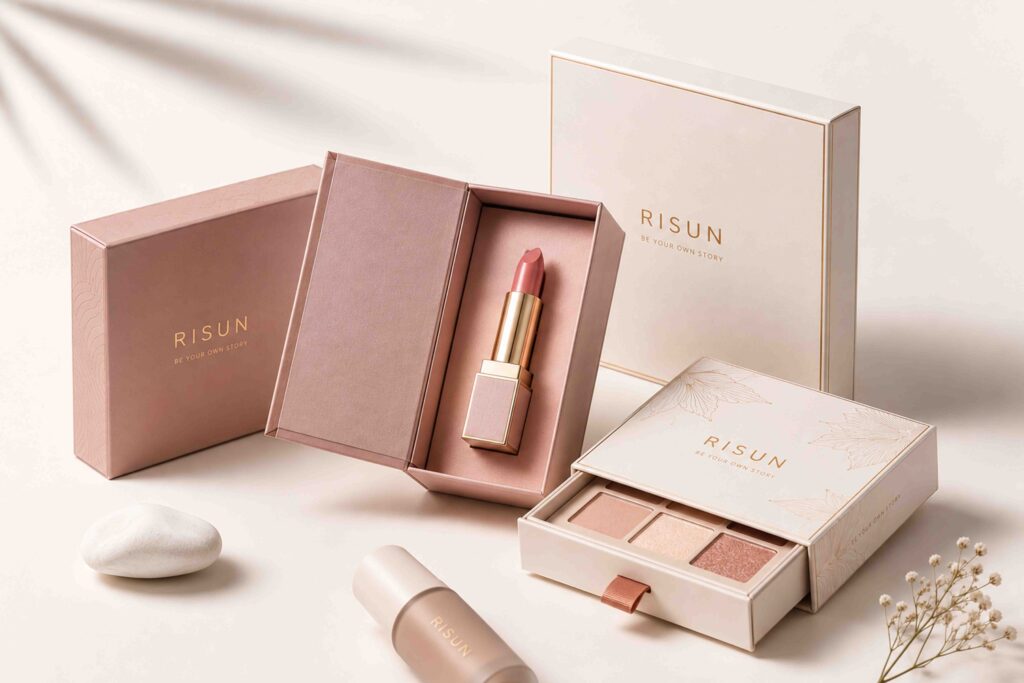
Eco friendly paper boxes give brands a practical way to reduce packaging waste while meeting growing expectations for recyclable and responsibly sourced materials. But sustainability depends on more than choosing a paper-based box. The paperboard, contenu recyclé, revêtements, encres, and end-of-life recyclability can all affect how environmentally responsible the final package is.
This guide explains the key factors to consider when sourcing sustainable paper boxes, from FSC-certified and recycled paperboard to water-based coatings and recyclable structures. It also covers how these material choices can affect packaging performance, coût, and suitability for different products, helping brands make more informed packaging decisions.
Why Sustainable Paper Boxes Are Growing
The rapid adoption of sustainable paper boxes isn’t a fluke. It’s a direct result of converging regulatory, consumer, and logistical pressures that make paper a practical business choice.
The shift away from plastic isn’t just about optics anymore. A combination of new laws, changing customer expectations, and the operational demands of modern commerce has created a powerful incentive for brands to embrace paper-based packaging. This isn’t a temporary trend; it’s a structural change in how goods are packaged and shipped.
Regulatory Pressure and Plastic Reduction Policies
Governments are no longer suggesting a move away from single-use plastics; they are mandating it. Regions worldwide, especially in Europe, have implemented outright bans and restrictions, forcing companies to find viable alternatives. Paper boxes are the most immediate and scalable solution available.
Policies promoting a circular economy also give paper a distinct advantage. Frameworks like Extended Producer Responsibility (REP) place the financial burden of waste management on brands. Because paper and paperboard have high, established recycling rates, choosing them can lead to lower compliance costs. Mandatory recycled-content rules further cement paper’s position as an economically sound and regulation-friendly choice.
Rising Consumer and Brand Demand for Sustainability
Consumers are more aware of plastic pollution than ever before, and this awareness directly influences their purchasing decisions. People are actively choosing products with packaging they perceive as eco-friendly. A paper box is a simple, tangible signal that a brand is responding to these concerns.
This external pressure is matched by internal corporate goals. Brands are setting aggressive sustainability targets, often as part of their Environmental, Social, and Governance (ESG) commitments. Reducing plastic use is a common and measurable goal, making the switch to paper boxes a clear win for sustainability reports and investor relations.
E-commerce Growth and Logistics Requirements
The explosive growth of e-commerce has created an unprecedented need for shipping solutions that are lightweight, protective, and easy to recycle. Corrugated paper boxes have become the backbone of modern logistics for a reason: they offer an unmatched strength-to-weight ratio, stack efficiently, and are cost-effective at scale.
Modern fulfillment centers are also driving paper box adoption through efficiency initiatives. The push for “right-sizing” packaging to reduce material waste and shipping volume naturally favors the adaptability of paper and corrugated board. Automated systems can create custom-fit boxes on demand, minimizing waste and improving the sustainability of the entire logistics chain.
Technological Advances in Materials and Design
Paper is no longer just for dry goods. Recent innovations in bio-based barrier coatings now allow paperboard to resist moisture and grease, opening it up to food and liquid applications once dominated by plastic-lined containers. This removes a major historical limitation of paper packaging.
For fragile items like electronics, molded fiber pulp now provides a recyclable and effective alternative to plastic foam inserts. These engineered inserts can be customized to cushion products securely, allowing the entire package to be fiber-based. The integration of smart features like QR codes for enhanced consumer engagement further increases the value of paper boxes without harming their recyclability.
Eco Friendly Materials Available
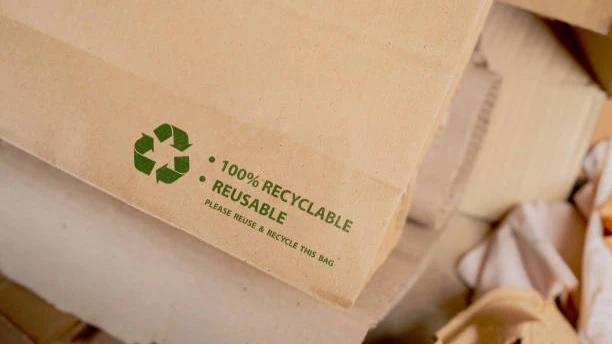
Sustainable boxes use a mix of recycled paperboards, alternative plant fibers, and plastic-free inserts to create a fully recyclable or compostable package without sacrificing protection.
Core Recycled and Certified Paperboards
The foundation of any eco-friendly box starts with the board itself. The primary choices focus on recycled content and responsible sourcing to minimize environmental impact from the start.
- Recycled Paperboard & Corrugated Board: Composed of 70–100% post-consumer recycled (RAP) fibre, these materials form the structural base for shipping mailers and retail folding cartons. They are the workhorse of circular packaging.
- Carton kraft: As a minimally processed material, kraft is valued for its high strength and natural, rustic appearance. When FSC-certified, it guarantees the fiber comes from responsibly managed forests, and it remains fully recyclable.
- FSC-Certified Virgin Paperboard: For luxury packaging that requires superior print quality and structural integrity, virgin paperboard from FSC-certified forests is the go-to. This ensures responsible forest management while delivering a premium feel.
Alternative and Plant-Based Fibers
Beyond traditional wood pulp, innovative materials derived from agricultural waste and other organic sources offer unique environmental benefits, often centered on compostability.
- Sugarcane Bagasse: This pulp is created from the fibrous waste of sugarcane stalks. It’s an excellent choice for making compostable food boxes and trays, turning agricultural byproducts into valuable packaging.
- Mycelium (Mushroom) Conditionnement: Serving as a direct, compostable replacement for foam inserts, these protective forms are grown from mushroom root structures and agricultural waste. They provide excellent cushioning for fragile products.
- Seed Paper: Used for unique promotional or gift boxes, this recycled paper is embedded with seeds. After use, the consumer can plant the entire box, creating a memorable brand experience with a positive environmental outcome.
Plastic-Free Protective Inserts
Eliminating plastic from the inside of the box is just as important as the box itself. Molded fiber is the leading solution for creating a fully paper-based, recyclable package.
- Molded Fiber: Recycled paper pulp is molded into custom shapes, creating protective trays and inserts that precisely replace plastic thermoforms.
- Fonction: These inserts provide critical cushioning and secure products firmly within the box, preventing movement and damage during shipping.
- End-of-Life: Most molded fiber inserts can be recycled directly in the paper stream. Many are also biodegradable or certified compostable, offering a clean disposal path.
Sustainable Coatings, Inks, and Films
A box’s eco-credentials can be undermined by its finishes. To maintain full recyclability or compostability, every component must be aligned with the end-of-life goal.
- Water-Based Coatings: These provide necessary grease and moisture resistance, especially for food packaging, without compromising the box’s recyclability. They break down during the re-pulping process.
- Vegetable and Soy-Based Inks: A standard for sustainable printing, these inks enable high-quality graphics with lower volatile organic compound (VOC) emissions than petroleum-based alternatives and do not interfere with paper recycling.
- Compostable Films: When a box window or moisture barrier is essential, certified compostable films are used. These films are designed to break down safely in industrial or home composting environments, preventing contamination of the organic waste stream.
Build More Sustainable Custom Packaging.
Sustainable Printing and Finishing Options
Your box’s sustainability is decided by its printing and finishing. These choices determine if the final package is truly recyclable or just looks green.
Once you’ve selected a sustainable paperboard, the job is only half done. The inks, revêtements, and decorative effects you choose can either support or undermine the recyclability of the final package. Making the right choices here is non-negotiable for a truly circular product.
Eco-Friendly Ink and Coating Systems
The chemicals used to print and protect your box directly impact its environmental footprint and end-of-life viability. Shifting away from petroleum-based and solvent-heavy systems is the top priority.
- Vegetable- or Soy-Based Inks: Specify these inks to minimize volatile organic compounds (COV). Unlike their petroleum counterparts, they are biodegradable and break down cleanly during the recycling process, ensuring high-quality fiber recovery.
- Water-Based Inks & Aqueous Coatings: Using water as the primary solvent eliminates the toxic components found in traditional systems. This reduces air pollution during printing and guarantees the final box remains easily repulpable and recyclable.
- Algae-Based Inks: For brands building a strong carbon-neutral message, these emerging inks offer a carbon-negative option. While still a niche choice, they are effective for limited edition runs where the marketing story is as important as the material.
Low-Impact Printing Technologies
Matching the printing technology to your production volume is key to minimizing waste. Each method has a clear role in a sustainable packaging strategy.
- Impression offset: This method delivers superior color quality for high-volume folding cartons. It is fully compatible with soy-based inks and certified paperboards, making it a reliable choice for scaled production.
- Impression numérique: Ideal for startups, test runs, and short production cycles. Digital printing eliminates the need for printing plates, drastically reducing setup waste and allowing for efficient, on-demand production.
- Flexography: Paired with water-based inks, flexo is the standard for printing on corrugated shipping boxes and mailers. It provides a durable, cost-effective print that doesn’t compromise the recyclability of the cardboard.
Sustainable Decorative and Protective Finishes
Premium details don’t have to come at an environmental cost. The goal is to add texture and protection without adding contaminants to the paper recycling stream.
- Gaufrage & Débosage: These techniques add tactile, high-end details by physically shaping the paperboard. Since no extra materials are used, the box’s recyclability remains completely intact.
- Aqueous Coating: Instead of a plastic film lamination, use a water-based aqueous coating. It provides solid protection against scuffs and moisture while ensuring the entire box can be repulped.
- Minimal Foil & Spot UV: If foil stamping or Spot UV is required for branding, limit it to small logos or accent areas. Heavy coverage can disrupt the fiber recovery process at recycling mills.
- Compostable Windows: For boxes that need a product window, select films made from compostable cellulose. This is a direct, plant-based replacement for traditional petroleum-based PET or PVC plastics.
Designing for Recyclability and Low Impact
A truly sustainable box is designed with its end-of-life in mind from the very beginning. Every material and process choice should support a simple, clean recovery path.
- Start with a Sustainable Foundation: Base your design on high-recycled-content or FSC-certified paperboard. This sets a low-impact baseline before any ink is applied.
- Simplify the Material Structure: Avoid designs that rely on heavy, full-coverage plastic laminations. Plutôt, use the natural texture of the paper itself as a premium design feature.
- Align Technology with Volume: Prevent unnecessary waste by matching the print method to your needs—digital for test runs and market validation, and offset for scaled, high-volume production.
- Verify All Components: Confirm that every element of your box—from the ink and coatings to any window films or adhesives—is compatible with the intended recycling or composting stream.
Recycling and Environmental Impact
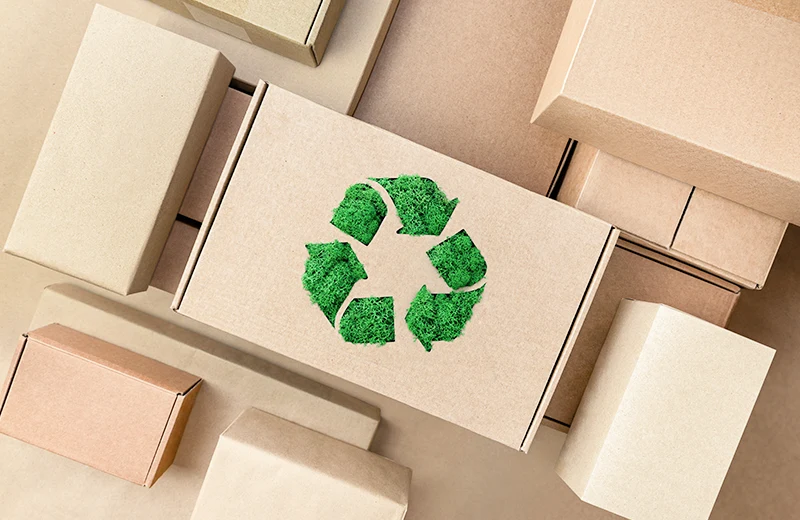
Paper boxes boast high recycling rates and circularity. Their environmental benefits depend on clean collection and smart designs that avoid contaminants like grease or plastic laminates.
Recycling Process and Fiber Circularity
Paper and corrugated boxes are some of the most successfully recycled packaging materials available. Recovery rates for corrugated boxes regularly exceed 90% in the U.S., forming the backbone of a circular fiber economy. The fibers from a single paper box can be recycled up to seven times before they become too short and weak to create new packaging.
The process begins with collecting and sorting used boxes at a Materials Recovery Facility (MRF). De là, bales of sorted paper are sent to a paper mill for pulping, screening, and cleaning to remove contaminants. Smart design is crucial for this system to work efficiently. Monomaterial paper boxes, free from heavy plastic laminates or metallic foils, are the easiest to process and yield the highest quality recycled fiber.
Key Environmental Benefits
- Paper boxes are made from wood fiber, a renewable resource. When sourced from certified, sustainably managed forests (like those with FSC or SFI credentials), it ensures responsible harvesting and forest regeneration.
- High recycling rates directly reduce the volume of waste sent to landfills. This helps lower the emission of methane, a potent greenhouse gas produced by decomposing organic materials in landfills.
- Fabrication with recycled fibers uses significantly less energy and water compared to producing packaging from virgin wood pulp.
- Uncoated paper boxes are fully biodegradable. If they end up in the natural environment, they break down into organic matter instead of persisting for centuries.
Recycling Limitations and Contamination Issues
While highly recyclable, paper boxes are not immune to problems that can disrupt the process. The biggest issues are contamination and non-paper additions.
- Food and Grease: Contamination from grease, oil, or heavy food residue can make paper fibers unusable. A greasy pizza box, Par exemple, can spoil an entire batch of recycled pulp.
- Non-Paper Additions: Plastic windows, metallic foils, glitter, and heavy plastic laminates complicate the pulping process. These materials must be screened out, and if they are too prevalent, the entire box may be rejected at the sorting facility.
- Water Damage: Boxes that become waterlogged lose their fiber strength. This degradation reduces the quality and recyclability of the material.
- Special Coatings: Some boxes, like those for refrigerated or frozen goods, have a thin polyethylene (PE) coating. While these are recyclable, they require specialized facilities that are not available in all municipalities.
Composting as an Alternative End-of-Life Option
When recycling isn’t an option, composting offers a valuable alternative to the landfill. Uncoated paper and cardboard serve as an excellent carbon-rich “brown” material in compost piles, balancing the nitrogen-rich “greens” like food scraps. This makes composting the preferred disposal method for boxes with light food contamination that renders them unrecyclable.
Before adding a box to a compost pile, it’s essential to remove all plastic tape, shipping labels, and any other non-paper attachments. For clean and dry paper boxes, recycling should always be prioritized. This preserves the value of the paper fibers and supports a circular economy, with composting serving as the next-best choice to keep waste out of landfills.
How Brands Can Adopt Green Packaging
A practical framework for green packaging involves auditing designs, selecting certified materials, planning for real-world recovery, and substantiating every claim with solid documentation.
| Strategy | Key Actions |
|---|---|
| Audit and Optimize Existing Designs |
|
| Select Certified and Recyclable Materials |
|
| Design for Real-World Recovery Systems |
|
| Document and Substantiate All Claims |
|
Choosing Sustainable Packaging Suppliers
Vetting sustainable suppliers means digging past marketing claims. Focus on material proof, verified certifications, production practices, and logistical fit to find a true partner.
Evaluating Material and Production Practices
A supplier’s own operational footprint is just as important as the paper they sell. Look at what they use and how they use it. Real sustainability is proven through transparent processes, not just a catalog of “vert” produits. You need to see evidence of their commitment within their own four walls.
- Recycled Content vs. Virgin Fiber: Assess the percentage of post-consumer recycled (RAP) content offered versus responsibly sourced virgin fiber, demanding Forest Stewardship Council (FSC) certification for any non-recycled pulp.
- Inks and Coatings: Verify the use of water-based or soy-based inks. Check that any protective coatings are designed to be repulpable and do not interfere with the box’s recyclability.
- Internal Operations: Inquire about the supplier’s energy sources and any commitments to renewable power. Ask for their internal waste recycling rates to see how they manage their own scrap.
- Plastic-Free and Compostable Options: Confirm they can provide fully plastic-free box structures, including adhesives and windows. If you need compostability, verify they have certified options available.
Verifying Certifications and Standards
Claims without proof are just marketing. Third-party certifications are the only reliable way to validate a supplier’s promises. Always ask for the certificate numbers and verify them yourself. An honest supplier will provide this documentation without hesitation.
- FSC Chain of Custody: Request current Forest Stewardship Council (FSC) chain-of-custody certificates. This is non-negotiable for proving responsible paper sourcing.
- Compostability Certifications: If a supplier claims a product is compostable, check for legitimate third-party certifications like BPI, TÜV Austria (OK Compost), or compliance with ASTM D6400.
- Recycled Content Documentation: Ne vous contentez pas de les croire sur parole. Ask for documentation or data sheets that support their claims about the percentage of recycled content in their boards.
- Environmental Management Systems: Look for suppliers with ISO 14001 certification. This standard shows they have a formal and audited system for managing their environmental impact.
Matching Supplier Capabilities to Packaging Use Cases
There is no single “meilleur” sustainable supplier; there is only the best supplier for your specific need. A partner with deep expertise in e-commerce shipping boxes might not be the right fit for high-end retail emballage cadeau. Match their specialized skills to your product’s journey.
- Expédition pour le commerce électronique: Prioritize suppliers with proven expertise in producing strong, lightweight corrugated board, ideally from high-recycled-content materials, to withstand transit abuse.
- Retail and Gift Boxes: For shelf appeal, select suppliers who excel at high-quality printing and offer custom finishes like embossing on FSC-certified paperboard.
- Food Packaging: Ensure the supplier provides food-safe barrier coatings that resist grease and moisture. They must hold the relevant food-contact certifications for your market.
- Startups and Niche Brands: Identify specialized suppliers that offer low minimum order quantities (MOQ). This flexibility is critical for startups, coffrets d'abonnement, or limited-run products.
Assessing Commercial and Logistical Factors
A perfectly sustainable box is useless if it’s commercially unviable or logistically impractical. The final step is to ensure the supplier’s business model aligns with your operational reality, from order size to shipping costs. Sustainability has to work on the balance sheet.
- Minimum Order Quantities (MOQ): Make sure the supplier’s MOQs fit your demand forecasting and inventory capacity. A great price on 10,000 boxes is irrelevant if you only need 500.
- Supplier Location: Consider the supplier’s manufacturing location. A regional partner can significantly reduce shipping distances, which cuts both transportation costs and carbon emissions.
- Total Cost of Ownership: Look beyond the per-unit price. Analyze the total cost, including savings from lightweighting, reduced void fill, and lower potential waste-disposal fees.
- Design and Engineering Support: Evaluate the level of technical support offered. A valuable partner provides design and engineering help to optimize your packaging for both performance and sustainability, potentially lowering your overall costs.
Pensées finales
Sustainable paper packaging involves more than choosing a recyclable material. Paperboard certification, contenu recyclé, revêtements, méthodes d'impression, and box construction all influence the environmental performance and practical usability of the final package. By evaluating these factors together, brands can develop packaging that supports their sustainability goals without overlooking product protection or presentation.
At Risun Packaging, we help brands develop custom paper packaging based on their material, structural, and presentation requirements. Explore our solutions d'emballage personnalisées or visit the Risun Packaging homepage to learn more about our capabilities. Contact our team to discuss your product, sustainability requirements, and custom box specifications.
Foire aux questions
What are eco friendly paper boxes?
Eco friendly paper boxes are packaging solutions made from paper-based materials sourced renewably, from recycled content, or from responsibly managed forests. They are designed to be recyclable, biodégradable, or compostable to minimize their environmental footprint throughout their lifecycle.
Are paper boxes sustainable?
Oui, paper boxes are considered a highly sustainable packaging option when managed correctly. Their sustainability stems from using renewable wood fiber, having high recycling rates (sur 80% for paper packaging), and being biodegradable. True sustainability depends on responsible sourcing (comme la certification FSC), efficient design, and proper end-of-life recycling or composting.
What is FSC certified packaging?
FSC certified packaging uses paper and board sourced from forests that meet the Forest Stewardship Council’s rigorous standards for responsible management. This certification provides a traceable chain of custody, ensuring the material’s origin protects biodiversity, respects workers’ rights, and avoids deforestation. It verifies the source of the fiber, not necessarily the final product’s recyclability.
Can printed boxes be recycled?
Oui, the vast majority of printed paper and corrugated cardboard boxes are recyclable. Standard printing inks are designed to be removed during the deinking and pulping process. To ensure recyclability, a box must be clean, sec, and free of non-paper additions like plastic laminates, heavy wax coatings, or metallic foils.
Is paper packaging better than plastic?
Paper and plastic have different environmental trade-offs. Paper comes from a renewable resource, is widely recycled, and biodegrades, reducing long-term plastic pollution. Plastic is lightweight to ship but is made from fossil fuels and has very low recycling rates. For applications where recyclability, circularity, and avoiding plastic waste are priorities, paper is often the better choice.
How can businesses reduce packaging waste?
Businesses can reduce packaging waste by right-sizing boxes to fit products snugly, which reduces material use and the need for void fill. Using boxes made from high-recycled content, designing for easy recyclability (mono-material construction), and replacing plastic fillers with paper-based alternatives are also effective strategies.
Are eco friendly boxes more expensive?
Eco friendly paper boxes can have a 5–25% cost premium, particularly for custom designs or specialty materials. For standard recycled corrugated shipping boxes ordered in bulk, the cost is often comparable to conventional options. The price difference is influenced by certifications, ink types, and order volume, with the gap narrowing significantly at scale.
How do I choose a green packaging supplier?
Look for suppliers who provide verifiable proof of their claims. Prioritize those with third-party certifications for FSC-certified or high-recycled-content materials. Ask about the inks they use (water-based or soy-based are preferable) and confirm their transparency regarding their supply chain and manufacturing practices.