옳은 선택 supplement boxes requires careful consideration of materials, 인쇄 품질, and structural design. The right packaging helps protect products, meet labeling requirements, and create a professional brand presentation throughout the supply chain.
This guide explains the common materials, printing options, and design considerations used for supplement boxes. It covers everything from retail paperboard cartons to shipping solutions, helping brands choose packaging that balances protection, compliance, and visual appeal.
Why Supplement Packaging Requires Special Consideration
Supplement packaging serves multiple purposes beyond holding the product. It helps protect the contents, communicate important product information, and improve the overall customer experience.
Protecting Product Potency and Stability
The primary job of supplement packaging is to protect what’s inside. Sensitive ingredients will degrade when exposed to moisture, 산소, light, or extreme temperatures, reducing potency and shortening shelf life. The right packaging prevents physical changes like powders clumping, oils oxidizing, or capsules losing their effectiveness. This protection isn’t one-size-fits-all; the needs are entirely formulation-specific.
Moisture-sensitive powders require high-barrier materials and tight closures, while light-sensitive vitamins need opaque or amber-colored containers. This demands a tailored packaging solution to maintain potency until the last dose.
Meeting Regulatory and Safety Mandates
Supplement packaging operates under strict regulatory scrutiny. It must provide enough printable space for legally required information, most notably the Supplement Facts panel, ingredient lists, and allergen warnings. Beyond labeling, consumer safety is non-negotiable. Tamper-evident features are essential to show that the product is secure before purchase.
For certain products, particularly those containing iron, child-resistant closures are mandatory to prevent accidental poisoning. Every claim printed on the package must also comply with industry regulations, making the box itself a document of compliance.
Ensuring Material and Format Compatibility
The materials used for packaging cannot interfere with the supplement itself. They must not react with, absorb, or leach any components into the formula, which could alter the product’s taste, 냄새가 나다, or chemical composition. This extends to all components, including the inks, 코팅, 및 접착제, which must be approved for indirect food contact to avoid contamination.
The packaging format must also align with the product form—bottles for capsules, stick packs for powders, or droppers for liquids. This alignment is critical for both safety and usability.
Balancing Durability and User Experience
A supplement package must be tough enough to survive the entire journey from the fulfillment center to the consumer’s cabinet without damage. But durability can’t come at the expense of usability. Since consumers interact with the package daily for weeks or months, functional design is crucial.
Features like resealable closures and easy-to-open designs improve the daily experience and help maintain product freshness. The packaging must protect the product effectively while still being simple for the intended consumer to open and use correctly every time.
Common Supplement Box Materials

Supplement boxes are a system, pairing paper-based exteriors for branding with functional inner containers like plastic bottles, 유리병, or foil pouches for protection.
Paperboard and Corrugated Fiberboard
Most supplement boxes you see in retail and e-commerce are built from two core paper-based materials: paperboard for presentation and corrugated for protection.
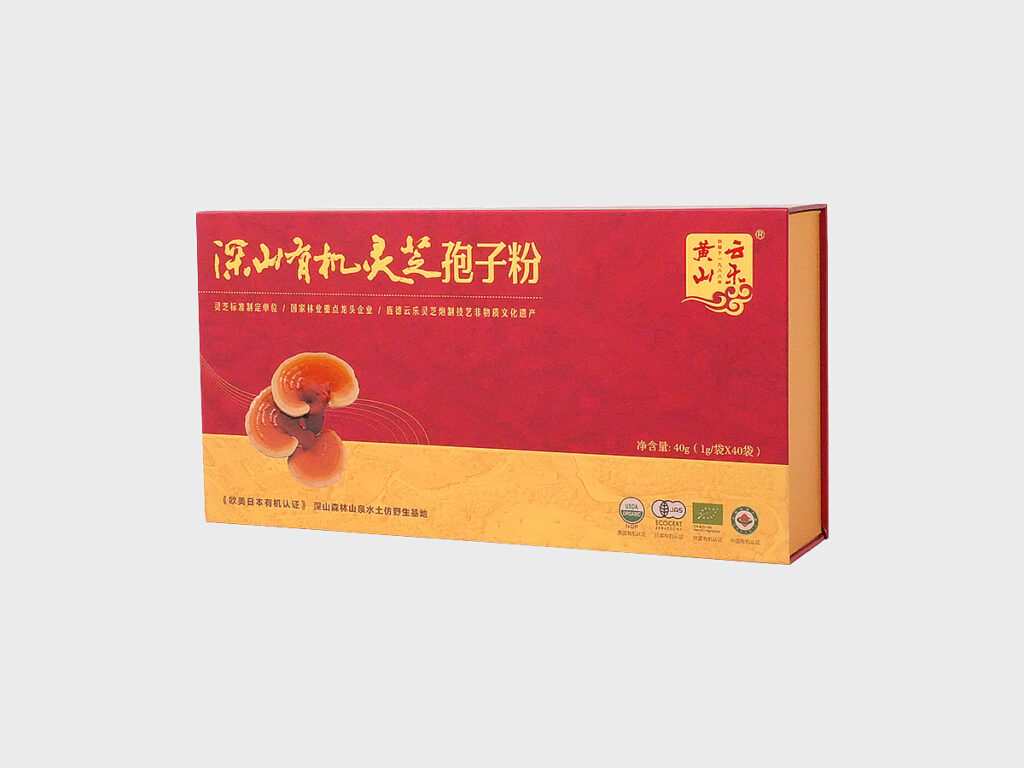
- Folding Carton Paperboard (300–400 gsm): This is the workhorse for retail boxes that hold supplement bottles and blister packs. Brands value its smooth, printable surface for high-quality graphics and its lightweight structure, which is ideal for shelf display.
- Corrugated Fiberboard (E-플루트 & B플루트): This material is essential for shipping. It’s used to create the mailers and subscription boxes you get from e-commerce brands, providing necessary cushioning and strength to survive transit.
- B-flute Corrugated: Specifically, the thicker B-flute is the go-to choice for protecting fragile glass bottles. Its structure offers the compression resistance needed to prevent breakage during shipping and handling.
Rigid Board (Chipboard)
When a brand wants to signal luxury or create a premium unboxing experience, they turn to rigid board. It’s a heavyweight, non-collapsible paperboard that feels substantial and protective.
- Premium Structure: Made from a dense paperboard (자주 500-600 GSM), rigid board is used for high-end, non-collapsible supplement kits. It doesn’t fold flat, giving it a permanent, gift-like quality.
- High-Value Use Cases: This material is perfect for luxury gift sets, “welcome kits” for new subscribers, and multi-product bundles that need a sturdy, high-end feel to justify a premium price point.
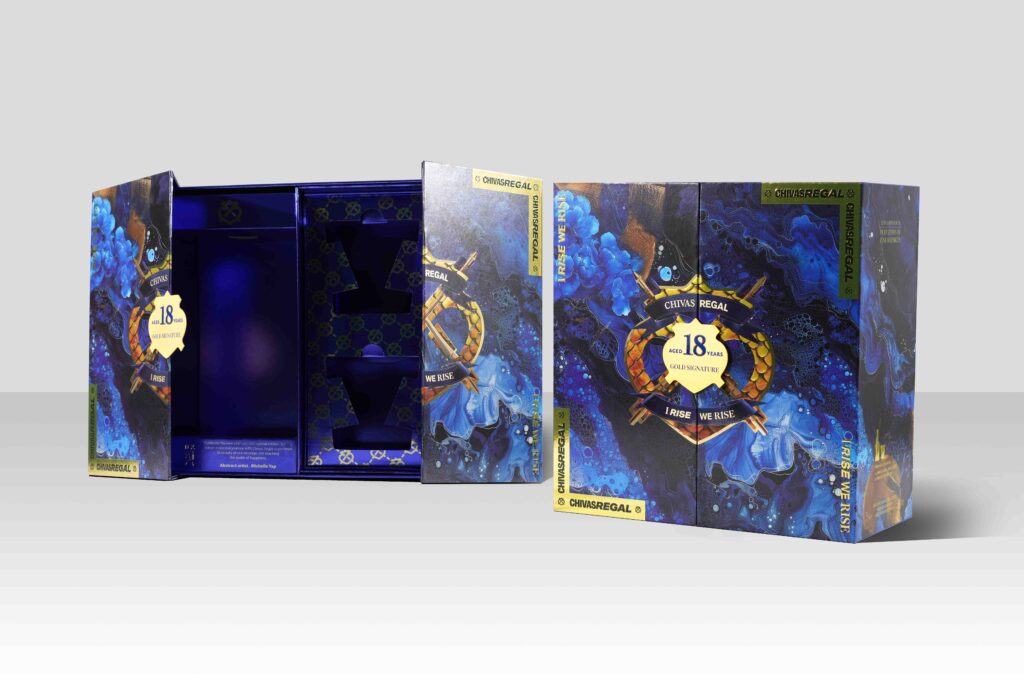
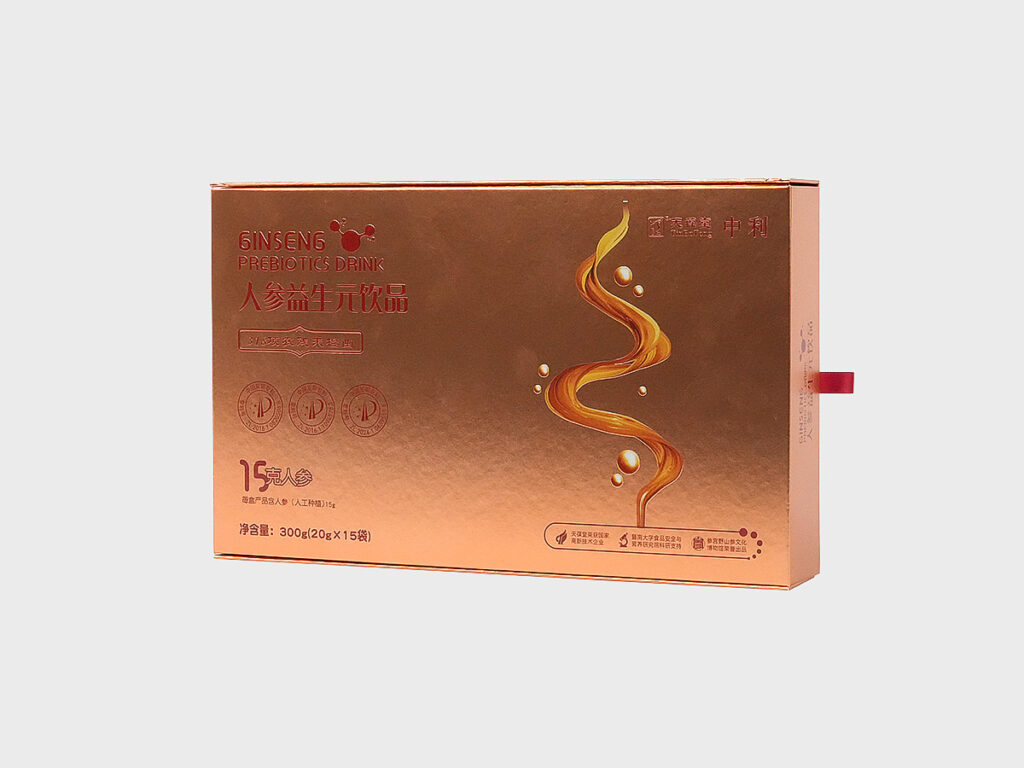
- Advanced Designs: The firm structure of rigid board allows for sophisticated features like magnetic closures, slide-out drawers, and hinged lids, often paired with custom foam or paper inserts to hold products securely in place.
Supplement Box Design Should Match Product Format
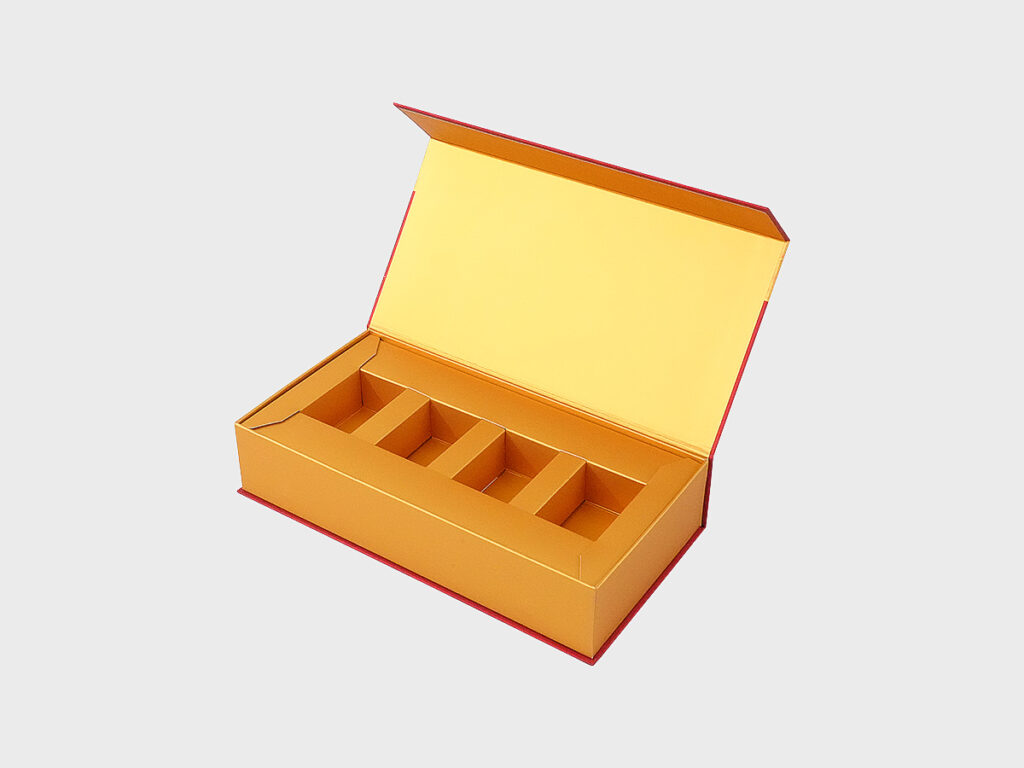
The structure of a supplement box should be designed according to the product format and inner packaging. Different supplements require different box dimensions, inserts, and protection features.
예를 들어, folding cartons for supplement bottles need accurate sizing to prevent movement during transportation, while boxes for blister packs or pouches may require customized structures to improve presentation and handling.
Choosing the right box style helps protect the product, optimize shipping efficiency, and create a better unboxing experience for customers.
Coatings, Laminates, and Sustainable Alternatives
Finishes and material sourcing are increasingly important for both branding and meeting consumer expectations for sustainability.
- 코팅지: To achieve crisp graphics and better durability, a clay or polymer coating is often applied to paperboard. This creates a smooth, scuff-resistant surface ideal for high-quality printing.
- FSC-Certified & Recycled Paper: Brands are shifting to paper sourced from responsibly managed forests (FSC-certified) and boards with high post-consumer recycled (PCR) content. This choice communicates a commitment to environmental responsibility.
- Refill-Ready Design: A common sustainable model involves a durable rigid box for the initial “welcome kit.” Subsequent refills are then shipped in minimalist, 경량, and recyclable corrugated mailers to reduce material waste over time.
안전한, Certified Packaging to Elevate Your Brand
Printing Requirements for Health Products
Printing for health products isn’t just aesthetics. It’s a regulated process where legibility, content accuracy, and traceability are mandatory for consumer safety and compliance.
When packaging health products like supplements, the printing on the box is as regulated as the product inside. These requirements aren’t suggestions; they are strict controls covering everything from the size of the font to how the boxes are stored before use. Getting it wrong is a compliance failure, not a simple design revision.
Readability and Typographic Standards
If a consumer can’t easily read the dosage or warnings, the product is unsafe. Regulators enforce typographic standards to prevent this. This includes minimum font sizes, which can be as specific as 6-point for dietary supplements or 7-point (와 1.4 mm lowercase “엑스” height) for certain health products in markets like the EU. Sufficient line spacing, often at least 3 mm, is also required to keep text from becoming a dense, unreadable block.
High contrast between the text and background is non-negotiable. Black text on a white background is the standard for a reason. Beyond individual characters, the layout must group critical information—like the product name, its strength, and dosage form—together on the main display panel. This ensures a user can identify the product and its core attributes at a glance.
Mandatory Content and Information Panels
Every supplement box must display specific information in a designated format. The most prominent of these is the “Supplement Facts” panel. It has its own set of rules: the heading must be larger than other text on the panel, and ingredients must be listed in a specified order. The front of the box, or principal display panel, must clearly show the Statement of Identity (the product’s name plus the words “Dietary Supplement”) and the Net Quantity of Contents (예를 들어, “60 Capsules”).
Secondary panels are used for other essential details. This is where you’ll find the full list of both dietary and non-dietary ingredients, the manufacturer or distributor’s name and address, directions for use, any necessary warnings, and allergen declarations. Each piece of information has a required place and format, leaving no room for creative interpretation.
Identification, Barcodes, and Traceability
Every box must be traceable from the factory to the consumer. Scannable, machine-readable barcodes like GS1 are the backbone of this system. They must be printed clearly with adequate “quiet zones”—blank space on either side—to ensure they can be scanned reliably in retail and warehouse environments. If a supplement is co-packaged with a medical device, such as a specialized scoop, it may also require a Unique Device Identification (UDI) code in both human-readable text and a machine-readable format.
For full product traceability, lot or batch numbers and expiration dates must be clearly printed on the outer carton. These can’t be hidden or easily smudged. For certain classes of medical devices, regulations like 21 CFR 820 mandate control numbers on all packaging to track each unit or lot through its entire lifecycle.
Accessibility and Multilingual Formatting
Packaging must also be accessible. In some regions, this means embossing the product name and strength in Braille on the outer carton. The quality and durability of the Braille dots are critical for them to be useful. When boxes are designed for multiple markets, the layout must accommodate several languages without sacrificing font size or clarity.
The same key information has to appear consistently in all languages. Designers must also ensure the embossed Braille and printed text don’t interfere with one another, as a poorly placed Braille pattern can obscure vital printed warnings.
Manufacturing and Quality Control Processes
The printing and labeling of health products are manufacturing steps governed by Good Manufacturing Practices (GMP). It’s a system of strict process controls. This system starts with an incoming inspection of all printed materials, like boxes and labels, to verify they match the approved specifications exactly. Any deviation means rejection.
- Controlled Storage: Labels and cartons for different products or strengths are stored separately to prevent catastrophic mix-ups.
- Issuance Verification: Before a packaging run, staff must verify that the labels and boxes issued match the specific product being packaged.
- In-Process Checks: During the run, operators or automated vision systems constantly check that the correct variable data, like the lot number and expiration date, is being applied to each box.
Any incorrectly printed or labeled product is immediately segregated. These quality control steps ensure that the box in a consumer’s hand is not just visually appealing but also accurate, 안전한, and fully compliant.
Packaging Design Elements That Build Trust
In the supplement market, trust isn’t optional. Your packaging must instantly signal safety, transparency, and legitimacy through its design, 재료, and the information it presents.
When a customer picks up a supplement box, they’re making a rapid judgment about the product’s safety and the brand’s credibility. The design choices you make are not just aesthetic; they are direct signals of quality and accountability. Getting these elements right is crucial for building the consumer confidence needed for a purchase.
Clear Information and Professional Layout
A trustworthy package is one that communicates clearly and professionally. It avoids the visual chaos of hype-driven marketing and instead presents information in a way that respects the consumer’s need for facts. The layout should guide the eye, not overwhelm it, making critical details easy to locate and understand.
- Use a clean, uncluttered layout with a clear visual hierarchy. This helps users find information like dosage and ingredients quickly without feeling like the brand is hiding something.
- Employ legible, professional typography with high contrast. This ensures key details, especially warnings and instructions, are easy to read and aren’t mistaken for marketing fluff.
- Select a color palette that signals safety and scientific legitimacy. Blues, whites, and greens are standard choices that imply clinical cleanliness and natural origins, while hype-based imagery should be avoided.
- Organize panels logically. The brand, 제품명, and key benefits belong on the front. Detailed compliance information, like the Supplement Facts panel, belongs on the back.
Material Quality and Structural Integrity
The physical feel of a supplement box is a direct proxy for product quality. Flimsy materials or poor construction can imply that the company cuts corners on what’s inside the box, too. A sturdy, well-constructed package signals that the brand invests in protecting its product and values the customer experience.
- Select sturdy, rigid paperboard. A box that feels substantial gives a premium impression and signals that the brand is serious about protecting its product from damage.
- Use high-quality printing and finishes. Finishes like matte or soft-touch lamination create a professional appearance that reflects the quality of the supplement itself.
- Design the structure with tamper-evident features. Glued flaps or perforated seals give consumers confidence that the product has not been opened or compromised.
- Ensure the box is appropriately sized for its contents. An oversized box with excessive empty space can feel wasteful or deceptive, eroding consumer trust.
Transparent Claims and Third-Party Verification
In an industry plagued by unsubstantiated claims, transparency is the most powerful tool for building trust. Consumers are increasingly skeptical and look for objective proof of a product’s quality and purity. Your packaging is the first and best place to provide that proof.
- Display logos from credible third-party certifiers like NSF, USP, or the Non-GMO Project prominently. These marks act as an unbiased endorsement of your product’s quality.
- Include a QR code that links directly to a Certificate of Analysis (COA), lab results, or other detailed product information. This demonstrates a commitment to full transparency.
- Phrase benefit statements clearly and honestly. Avoid exaggerated “miracle” claims that sound too good to be true, as they undermine credibility.
- Ensure the Supplement Facts panel, ingredient list, and allergen warnings are accurate and fully compliant with regulations. This non-negotiable element shows the brand operates professionally.
Brand Accountability and Consistency
A trustworthy brand feels established, accountable, and reliable. Consistency across your product line and transparency about who you are tells customers you stand behind your products and are not an anonymous, fly-by-night operation.
- Clearly print visible batch numbers and expiration dates. This demonstrates robust quality control and product traceability, which is a key sign of a professional operation.
- Include the full manufacturer or distributor address and customer service contact information. Making yourself accessible shows you are accountable to your customers.
- Maintain a consistent visual system—logo placement, fonts, colors—across all product lines. This builds brand recognition and conveys reliability.
- Ensure the physical packaging design matches the imagery used on your website and e-commerce platforms. Discrepancies can create confusion and erode trust.
Sustainability Considerations
Sustainable packaging balances certified materials, minimal design, and circularity. It’s about reducing environmental impact without compromising product protection—a key regulatory and consumer demand.
Material Selection for Boxes and Inner Packaging
Your environmental impact starts with the raw materials you choose. This isn’t just about the outer carton; it’s a complete system involving the primary container that actually holds the supplement. Smart choices here have a cascading effect on your brand’s credibility and compliance.
- Utilize FSC-certified paperboard for outer cartons. This provides a clear, documented chain of custody and ensures the paper fiber comes from responsibly managed forests.
- Incorporate high levels of post-consumer recycled (PCR) fiber in your paperboard. This directly reduces the demand for virgin materials and lowers the packaging’s embedded emissions.
- Pair cartons with recycled plastic containers. Match a sustainable outer box with inner bottles or jars made from rHDPE or rPET. These materials are widely available with up to 90% PCR content, significantly reducing virgin resin use.
- Consider non-plastic primary containers. For brands pushing for a plastic-free position, using glass or aluminum for the supplement itself is a strong move. The outer paperboard box then serves as the critical layer for branding and protection against breakage during shipping.
Design Optimization for Minimal Impact
How you design the box is as important as what it’s made of. Over-packaging is a red flag for both consumers and regulators. Efficient design minimizes waste from the start, saving material and money while improving your brand’s perception.
- Right-size your boxes. The package should fit the product. Eliminating unnecessary empty space cuts down on material consumption and reduces shipping volume, which in turn lowers transport emissions.
Optimize decorative elements based on product positioning and sustainability goals. Finishing options such as foil stamping, 엠보싱, or specialty coatings can enhance premium appearance when they are appropriately designed.
- Lightweight the structure. Work with your supplier to optimize board grade and box design to reduce total material usage without sacrificing structural integrity. Lighter packages mean lower freight costs and a smaller carbon footprint.
- Incorporate clear disposal instructions. Use standardized recycling icons (like How2Recycle) on the packaging. Guiding consumers on how to properly separate and dispose of components increases the chances your packaging actually gets recycled.
Regulatory Compliance and Certified Claims
Sustainability is no longer just a marketing buzzword; it’s a regulated field. Making unsubstantiated environmental claims (“그린워싱”) can lead to significant financial penalties and a loss of consumer trust. Your claims must be accurate and verifiable.
- Adhere to upcoming mandates. Many regions are implementing strict rules on recyclability, minimum recycled content, and over-packaging. Design your packaging today with tomorrow’s laws in mind.
- Factor in Extended Producer Responsibility (EPR) fees. These schemes make brands financially responsible for the waste their packaging creates. Using easily recyclable, mono-material designs can lower your EPR fees in many markets.
- Obtain third-party certifications. Use certifications like FSC for paper and Global Recycled Standard (GRS) or ISCC for recycled plastics. These validate your sourcing and provide credible proof for your claims.
- Substantiate all environmental claims. If you claim a material is “퇴비로 만들 수 있는” 또는 “생분해성,” you must have the testing data (예를 들어, ASTM D6400) to back it up. Vague claims are a major compliance risk.
Supply Chain and End-of-Life Management
A truly sustainable approach considers the entire lifecycle of your product and its packaging. This extends from where your ingredients are grown to how your customers dispose of the empty container. It’s about building a coherent, responsible story from start to finish.
- Align packaging with ingredient sourcing. If you’re selling organic or fair-trade supplements, your packaging should reflect that same ethos. A sustainable product in unsustainable packaging sends a mixed message.
- Prioritize responsible manufacturing partners. Select suppliers who demonstrate energy efficiency, use renewable energy sources, and have their own waste-reduction programs. Their footprint becomes part of your footprint.
- Design for circularity. Use mono-materials that are widely accepted in existing recycling infrastructures. This makes it easier for your packaging to be recovered and turned into something new, closing the loop.
- Explore refill-and-reuse systems. These models, where a durable primary container is refilled with lightweight pouches, can reduce total packaging waste by up to 70%. It’s a powerful way to demonstrate a deep commitment to waste reduction.
선택 Supplement Packaging Supplier
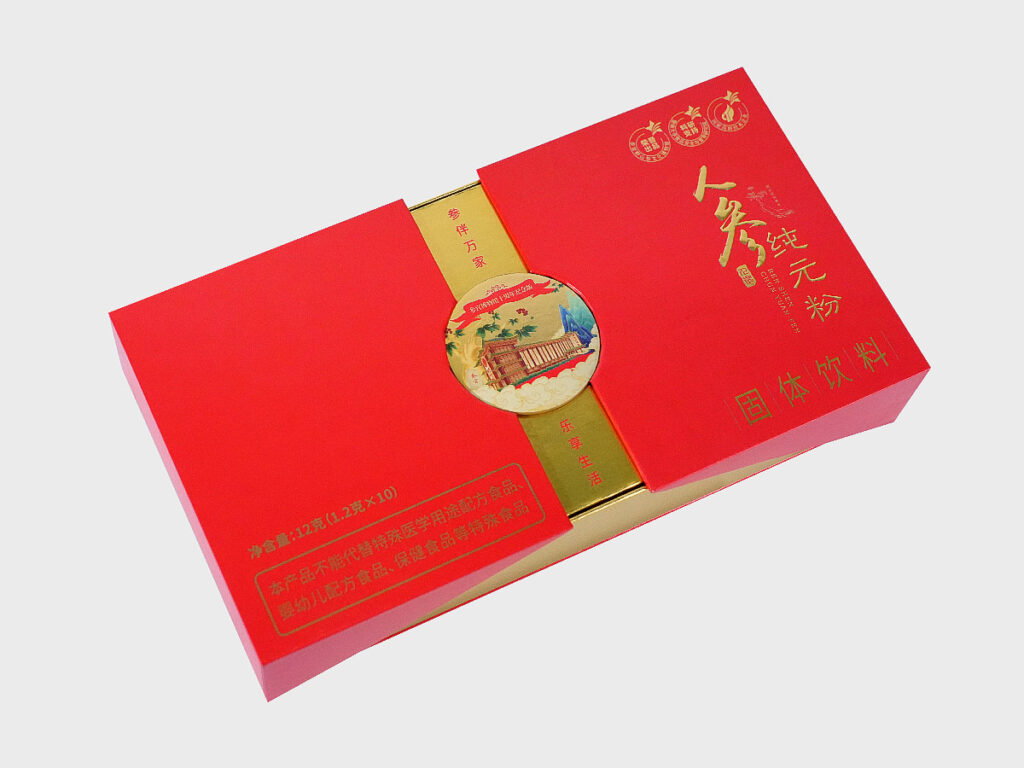
Choosing a supplier is less about price and more about their documented compliance, technical fit, and direct experience in the heavily regulated supplement industry.
When you’re vetting a packaging partner for your supplement brand, you’re not just buying boxes or bottles; you’re qualifying a critical part of your quality and compliance system. The wrong choice can lead to product degradation, regulatory trouble, or supply chain failure. The evaluation process must be rigorous and focused on specific criteria for the nutraceutical space.
| Regulatory Compliance and Quality Systems | Technical Capabilities and Material Expertise | Safety Features and Labeling Proficiency | 서비스, Scalability, and Industry Specialization |
|---|---|---|---|
|
|
|
|
A reliable packaging supplier provides more than printed boxes. They support brands with suitable materials, accurate printing, consistent production quality, and packaging solutions that meet product and market requirements. Their specialization in the supplement field is not a bonus; it’s a fundamental requirement.
자주 묻는 질문
What materials are used for supplement boxes?
Outer supplement boxes are generally made from paper-based materials like paperboard, 판지, or corrugated board for shipping. For premium products, rigid chipboard is common. Inner containers that hold the supplement are typically plastic (HDPE, PET), glass, or aluminum, chosen based on the product’s stability needs.
What information must be on a supplement box?
A supplement box must display the product’s name (identifying it as a supplement), 에이 “Supplement Facts” panel, a full ingredient list with allergens highlighted, the net quantity, recommended dosage instructions, mandatory warnings, an expiration date, a lot number for traceability, and the manufacturer or distributor’s name and address.
Are supplement boxes food safe?
예, supplement boxes can be food safe if designed correctly. Any part of the box or its inner components that directly touches the supplement must be made from food-grade materials. 외부 상자, even if it doesn’t make contact, must not transfer any harmful substances through inks, 접착제, or odors.
Can supplement boxes be customized?
예, supplement boxes are highly customizable. Brands can choose the box style (예를 들어, folding carton, rigid box), 치수, materials like kraft or recycled paperboard, and printing techniques. Finishes such as foil stamping, 엠보싱, and spot UV are common, as are functional features like die-cut windows or custom inserts.
What printing methods are used for supplement boxes?
Common printing methods include offset printing for high-quality retail cartons, flexography for simpler designs on corrugated mailers, and digital printing for short runs or personalized boxes. Special finishes like foil stamping, 엠보싱, and spot UV are frequently added to enhance brand appearance.
How much do supplement boxes cost?
The cost of a supplement box typically ranges from $0.60 에게 $6.00 단위당. A standard folding carton for a bottle may cost $0.85–$1.45 at 1,000 units but can drop below $0.60 at volumes over 5,000. Custom mailer and subscription boxes are generally more expensive, often costing $1.40–$2.50 per box at scale.
최종 생각
While standard packaging may reduce initial costs, customized supplement boxes can provide better opportunities for product protection, brand differentiation, and a more professional market presentation.
The material, 인쇄, and compliance standards detailed in this guide are the only defense against these catastrophic failures. Your supplement box is not an expense; it is a critical asset for safety and brand integrity.
The next step is to verify how these standards apply to your specific product. We recommend a full specification review to ensure your chosen materials and design meet all regulatory and performance requirements. 우리 팀에 문의하세요 to discuss your project and request a production-grade sample.