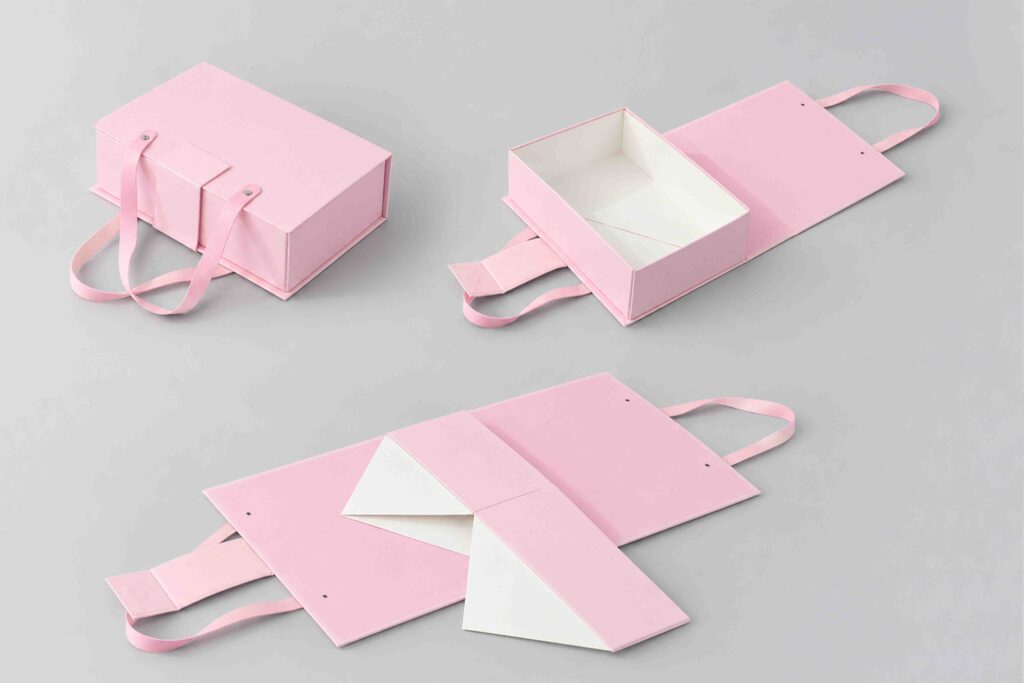
Custom supplement boxes shape three things at once: how the brand reads on the shelf, how well the product survives transit, and how smoothly retail display runs. Packaging mistakes rarely stay inside the design stage. They surface in material choice, 인쇄, 견본 추출, and bulk production, where they cost the most to fix.
This guide walks through eight supplement packaging mistakes that brands make when ordering custom boxes, from sizing and materials to labeling and bulk production. Each one comes with its real-world cost and a practical fix. Read it before you approve a dieline or sign off a production run.
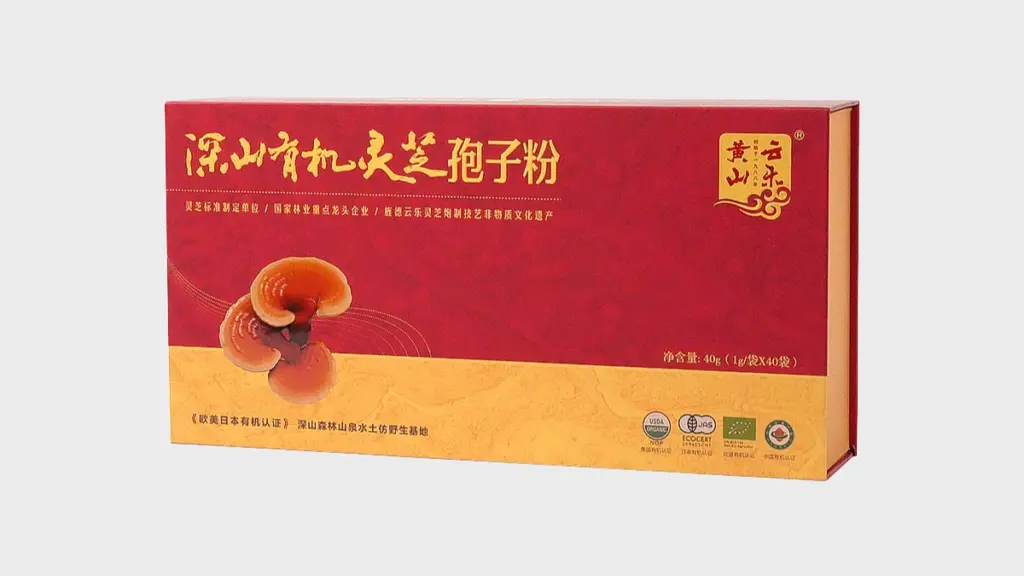
1. Choosing the Wrong Box Size and Structure for Custom Supplement Boxes
A wrong-sized supplement box fails twice. The product moves and scuffs in transit, and the brand pays to ship air.
Ignoring the Dimensions of Bottles and Containers
Many box projects start from a picture, not from the container. The brand approves a carton style from a catalog or a render, and nobody checks it against the real bottle, jar, or blister pack. The gap shows up later. Caps catch on the opening. Tall pump bottles fold the flap closed. Loose jars rattle with every mile.
The consequences reach further than cosmetics. A tight fit cracks corners when the carton is erected on the packing line. A loose fit invites movement damage, scuffed labels, and returns. An oversized box also inflates freight and shelf space, both of which retailers measure and charge for.
Overlooking Internal Space and Product Movement
Internal fit is a design decision, not an afterthought. Bottles need a little clearance for the label and an insert to lock them in place. Without that lock, every delivery van becomes a shake table, and the bottle takes the hits. The damage is invisible until the customer opens the box and films it.
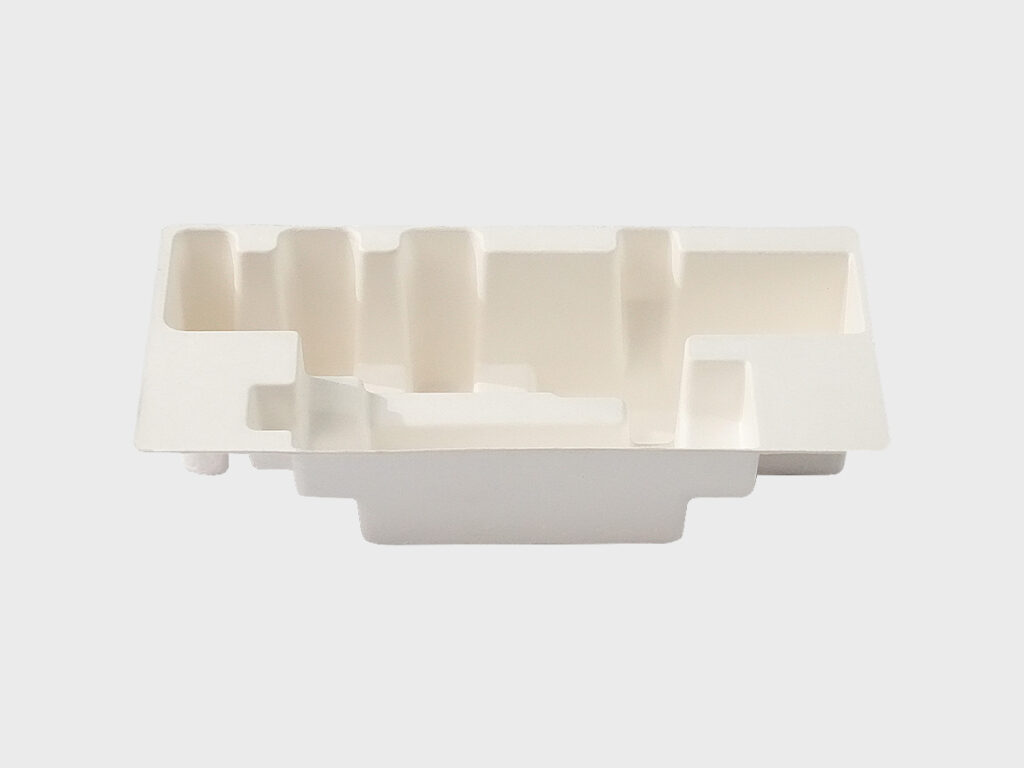
The fix starts with measurements, not visuals. Record the container’s diameter, 키, cap style, and label placement before any artwork begins. Then ask your supplier for a dieline built around those numbers, and test it with an unprinted white sample. A well-matched supplement box structure paired with a molded pulp insert keeps the bottle still and absorbs compression in transit.
2. Using Supplement Packaging Materials That Fail the Product
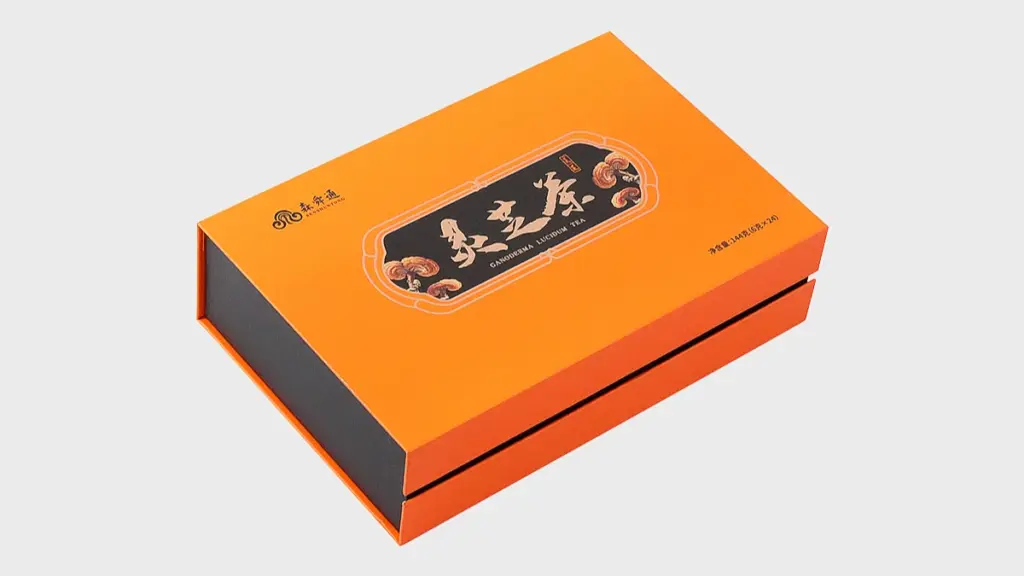
Cheap board is expensive. The wrong supplement packaging materials warp in humidity, crush in transit, and read as low quality on the shelf.
Choosing Materials Based on Price Alone
Unit price is the easiest number to compare, so it often decides the material. Brands pick the thinnest board that survived a quote round, then discover the real cost curve. Thin cartons dent on the filling line, bow in humid warehouses, and arrive at the retailer looking tired.
The formula matters as much as the freight. Light-sensitive and moisture-sensitive products need primary containers and cartons that respect their weaknesses. A beautiful box around an unprotected bottle still lets potency fade before the expiry date.
Overlooking Durability and Protection Requirements
Every supply chain punishes packaging differently. E-commerce parcels face drops and vibration. Retail distribution adds stacking pressure and warehouse humidity. Match the board grade and coating to the product’s weight and the route it travels. A folding carton that works for a light blister pack will collapse around a heavy glass bottle.
Specify materials the way an engineer would. Give your supplier the product weight, the shipping route, and the storage conditions, and ask for a board recommendation with reasons. 우리의 supplement packaging materials guide compares the paperboard grades, 코팅, and printing options in plain terms. Confirm the choice with a printed sample, not a data sheet.
Custom Supplement Packaging Without the Mistakes
3. Overlooking Product Labeling and Regulatory Requirements
A supplement box is a legal document. Missing or unreadable label content blocks retail entry long before design gets a chance to impress.
Missing Essential Product Information
Supplement packaging carries mandatory content, and each market enforces its own version of the rules. In the United States, production falls under FDA cGMP requirements, while label content adds another layer of rules. Items that commonly trip up artwork teams include:
- the Supplement Facts panel with accurate serving sizes and ingredient amounts
- warnings, allergen statements, and any required disclaimers
- manufacturer or distributor details
- reserved space for lot codes and expiry dates
Omissions are expensive at the worst moment. Artwork approved without a lot-code window gets printed twice. A missing disclaimer can push a product off a retailer’s shelf until the label is corrected. Both fixes arrive after the print run has already been paid for.
Using Unreadable Text or Incorrect Label Placement
Readability fails in quiet ways. Decorative fonts shrink the facts panel below legible size. Low contrast turns warnings into decoration. Placement fails too: mandatory text hidden behind a shelf edge, a hang tab, or the box closure reads as missing to an inspector and to the customer.
Build a compliance checklist for every target market before the first artwork draft. List the required panels, disclaimers, and reserved code space. Then review the physical proof under real lighting at real size. A prepress review with your supplier catches font, contrast, and placement issues while they still cost nothing but a revision.
4. Prioritizing Visual Design Over Practical Functionality
A box that photographs well but fights the customer loses twice: at the unboxing and at the reorder.
Using Designs That Are Difficult to Open
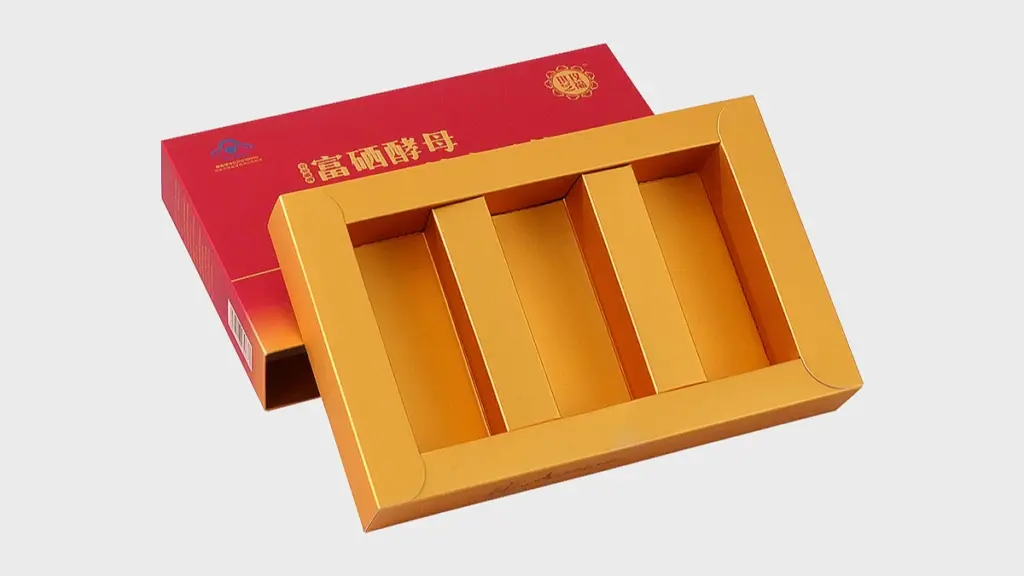
Unboxing is part of the product. Closures that need scissors, seals that tear the carton, and magnets that fight the flap all create friction. Some customers damage the product while opening it. Others simply do not reorder, and few of them tell you why.
Ignoring Shelf Display and Storage Requirements
Retail adds its own constraints. Planograms limit each facing’s footprint. Stacking tests load strength from above. Warehouses favor flat-packed cartons that erect quickly on the line. A design that ignores these demands looks good in the render and underperforms everywhere else.
Test design against use, not against a render. Prototype the opening with real users and the actual product inside. Check the shelf footprint, the stacking strength, and how the carton packs flat for shipping and storage. Suppliers that offer structural design services can run these checks before tooling begins.
5. Overcomplicating the Supplement Box Design
Every added color, font, and finish costs money twice: once at the printer, and again as defect risk.
Using Too Many Colors, Fonts, and Graphic Elements
More elements do not mean more premium. When claims, icons, and product shots compete for one panel, the hierarchy collapses. Shoppers cannot find the product name or the serving size in time. Complexity also multiplies printing cost and the chance of misregistration, smudges, and color drift between batches.
Failing to Maintain Brand Consistency
The opposite failure spreads quietly across a product line. Each SKU gets its own fonts, 로고 배치, and color logic, and the range stops reading as one brand. Copying a competitor’s pack too closely adds legal risk while borrowing none of their recognition.
Set a fixed brand system: one logo position, one type family, one color architecture. Let product names and accent colors distinguish formulas, nothing else. Then audit every panel against a simple question. Can a shopper find the name, the benefit, and the facts within three seconds?
6. Skipping Physical Samples and Packaging Tests
Screens flatter packaging. The errors that matter only appear in a printed sample, a packed box, and a drop test.
Relying Only on Digital Mockups
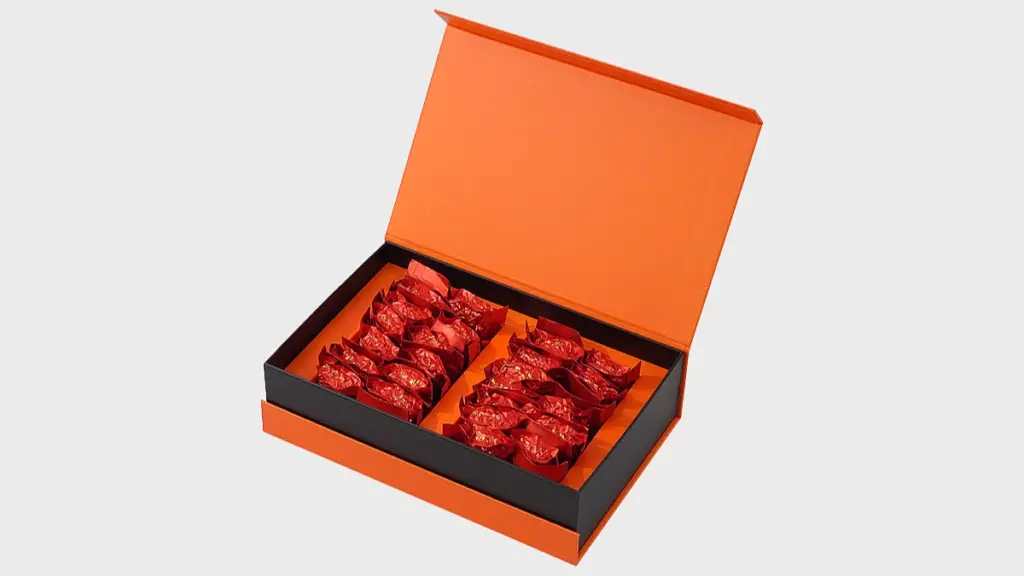
A render shows intent, not reality. Screen color is not printed color, and a flat dieline is not a folded carton. A 3D model carries no weight, no stiffness, and no glue joints. Approving artwork from a mockup alone pushes all of those unknowns into mass production.
Failing to Check Color, 인쇄, and Box Assembly
Printed samples expose what mockups hide. Color shifts between screen and press. Foil and spot finishes behave differently on coated and uncoated board. Die-cuts miss by a millimeter, and flaps refuse to close. None of that is visible until someone folds the box, packs the bottle, and drops it on the floor.
Stage your approvals in this order:
- a prepress proof that confirms content, 글꼴, and color references
- a printed sample that confirms finish, 다이커팅, 그리고 조립
- a packed and dropped test carton that confirms fit and transit survival
Keep one approved golden sample as the reference standard for every production batch. A supplier with in-house sampling can turn these rounds around quickly.
7. Ignoring Packaging Costs Beyond the Unit Price
The quoted price is one line in the real cost. 인쇄, 마무리 손질, 화물, 저장, and assembly write the rest.
Overlooking Printing and Finishing Costs
Special effects are priced per unit and per setup. Each extra color, foil block, emboss die, or spot UV pass adds tooling and run cost. Multi-piece constructions add assembly labor at the fulfillment center. The base quote looks competitive, and the invoice quietly grows with every upgrade.
Underestimating Shipping, 저장, and Assembly Costs
Cube is money. Assembled boxes ship mostly air, while flat-packed cartons stack dense and cheap. Warehouse racks bill by volume, and slow-moving oversized packaging holds that space for months. A quote for custom supplement boxes covers none of this. Compare supplement packaging boxes on total delivered cost, not on the per-unit figure alone.
Model the full chain before choosing. Ask your supplier to quote printing and finishing as separate lines. Compare flat-pack versus assembled freight for your volumes. Then balance the order size against how fast your SKUs actually turn. The goal is the lowest total cost per unit sold, not the lowest quote.
8. Failing to Plan for Bulk Production
Mass production multiplies whatever it is given. A clear spec becomes consistent cartons; a vague one becomes batch drift.
Not Confirming Production Specifications Before Ordering
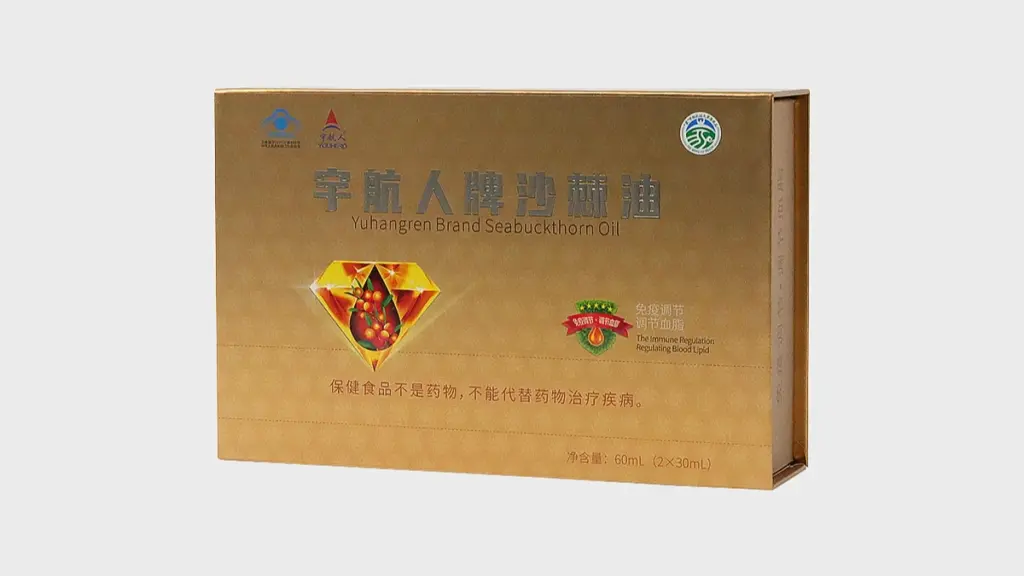
Without a signed specification, every batch interprets the design slightly differently. Board substitutes arrive when stock runs short. Colors shift when the press operator matches by eye. Dimensions wander as cutting dies wear. Months later, the fourth batch no longer matches the first, and nobody approved the change.
Overlooking Quality Control During Manufacturing
Consistency needs checkpoints, not hope. In-line inspection catches print defects while the line still runs. Final inspection catches gluing, 다이커팅, and assembly faults before cartons ship. Skip them, and defects travel to your fulfillment center, where every reject costs far more than it did at the factory.
Close every specification before the first sheet prints. Record the board grade, color references, 치수, 마무리 손질, and packing method in one document, and attach the golden sample. Agree on the QC checkpoints and what happens when a batch fails them. Suppliers that welcome this level of specification are easier partners for long production runs.
How to Avoid Common Supplement Packaging Mistakes
Eight checks, one page. Run them before the deposit is paid, not after the delivery arrives.
Each section above ends with a fix. This checklist compresses all eight into a single page for teams planning custom supplement packaging. Use it as a handoff brief for your supplier before an order is confirmed.
| Checkpoint | What to Confirm |
|---|---|
| Box dimensions | Bottle size, clearance, and internal fit |
| 재료 | Paperboard thickness, 내구성, and protection |
| Labeling | Required information and text readability |
| 설계 | Brand consistency and visual hierarchy |
| 구조 | Opening, 폐쇄, and shelf display |
| 샘플 | Physical samples and print quality |
| 비용 | 단가, 마무리 손질, 해운, 그리고 저장 |
| 생산 | Specifications and quality control |
A supplier that handles structure, 재료, 인쇄, and inspection under one roof shortens this list further, because one team owns every checkpoint. 우리의 customization process shows how each approval stage works, from structural design to final inspection.
최종 생각
Good supplement boxes earn their place beyond the shelf. They protect the formula in transit, carry compliant information, open cleanly, and stay consistent across every batch. The eight mistakes in this list share one cure: decide carefully before mass production starts.
As a custom supplement box manufacturer, risun handles structure design, 재료 선택, 인쇄, 견본 추출, and quality inspection in one factory. Send us your bottle specs and your target market requirements. We will return a packaging plan, a sampling schedule, and a clear quotation that clears every checkpoint above.
자주 묻는 질문
What are the most common mistakes when ordering custom supplement boxes?
The recurring ones are wrong box dimensions for the container, materials chosen on price alone, incomplete or unreadable labels, overcomplicated artwork, skipped physical sampling, and vague production specifications. Each mistake is avoidable with measured specs, staged approvals, and a written quality standard before mass production.
How do I choose the right size for a supplement box?
Start from the container, not the design. Measure the bottle or jar’s diameter, 키, cap, and label placement. Add a little clearance, then let an insert lock the product in place. Always confirm the fit with an unprinted sample before printing.
What labeling requirements apply to supplement packaging?
Requirements vary by market. In general, a supplement box must present the Supplement Facts panel, serving size, ingredient amounts, warnings, and manufacturer details clearly, with space for lot and expiry codes. Confirm the exact rules for every target market with a compliance checklist before artwork is approved.
Why are physical samples necessary before bulk production?
Samples reveal what digital mockups cannot: true print color, finish behavior, die-cut accuracy, and how the box folds around the product. A staged review of proof, printed sample, and packed test catches errors while they are still cheap to fix. One approved sample then serves as the reference for every batch.
How can brands reduce supplement packaging costs without lowering quality?
Look past the unit price. Standardize structures across SKUs, limit colors and special finishes, design for flat-pack shipping, and match order sizes to how fast products sell. 인쇄, 화물, 저장, and assembly often matter more than the quoted price per box.
What should I confirm with a supplement box manufacturer before ordering?
Confirm the board grade and thickness, structural drawings, color references, finishing details, and packing method in a signed specification. Ask how sampling and quality control are handled during production, and how batches are checked against the approved sample. Clear answers before the deposit are cheaper than disputes after delivery.