A reliable custom rigid box manufacturer can influence more than the appearance of your packaging. Production consistency, material expertise, and structural design capabilities all affect product protection, presentación de marca, and order fulfillment. For brands sourcing custom rigid boxes, the challenge is finding a manufacturing partner that can meet specific packaging requirements without compromising quality or production efficiency.
This guide explains how to evaluate manufacturers based on production experience, industry knowledge, customization capabilities, control de calidad, Cantidad mínima de pedido, y plazos de entrega. It also highlights what to look for in samples, factory operations, and supplier communication, helping brand owners and purchasing teams compare potential partners and make more informed sourcing decisions.
1. Evaluate the Manufacturer’s Production Capabilities
Factory operations determine how well a supplier can manage custom orders, maintain consistent output, and meet delivery requirements. Buyers need to examine both production processes and the resources available to support their packaging projects.
In-House Manufacturing vs. Outsourced Production
Some packaging suppliers operate their own factories, while others rely on third-party manufacturers for part or all of the production process. Before placing an order, ask which stages the supplier handles directly, such as printing, greyboard processing, paper wrapping, troquelado, and box assembly.
In-house manufacturing gives a factory more direct control over production schedules, process adjustments, and quality inspections. Por ejemplo, when a rigid box requires changes to its dimensions or wrapping paper, an in-house team can coordinate adjustments without waiting for an external supplier. This can reduce communication delays and make production changes easier to manage.
Sin embargo, outsourcing certain processes does not automatically indicate limited manufacturing capabilities. Some factories work with specialist partners for advanced printing or finishing techniques that require specific equipment. In these cases, buyers should check how the manufacturer coordinates external work and manages quality across different production stages.
Production Equipment and Capacity
The factory’s equipment should match the technical requirements of your packaging project. Different rigid box structures and finishes may require different machines and production methods. Check whether the manufacturer has suitable equipment for printing, troquelado, paper wrapping, laminating, and other finishing processes.
Beyond the equipment list, consider how these machines affect production accuracy and output. Por ejemplo, precise die-cutting helps maintain consistent dimensions, while suitable wrapping and laminating equipment supports smooth surfaces and clean box edges. If your packaging includes foil stamping, realce, or other decorative details, confirm that the factory can achieve the required finish either in-house or through qualified production partners.
Production capacity also needs to match your order schedule, not just the factory’s stated monthly output. Ask about the following details:
- Monthly Production Capacity: The typical number of rigid boxes the factory can produce under normal operating conditions.
- Production Lines and Workforce: The number of active production lines and available workers who support different manufacturing stages.
- Order Scheduling: How the factory arranges existing orders and handles peak-season demand.
- Escalabilidad: Whether it can increase output when your order volume grows or additional product lines require packaging.
Factory visits, production records, equipment specifications, and samples from previous projects can help verify these details. Comparing this information with your expected order volume and delivery schedule provides a more practical basis for evaluating whether the manufacturer can support your business.
2. Review the Manufacturer’s Industry Experience and Innovation Capabilities
A manufacturer’s project experience shows whether it can handle different packaging requirements and provide suitable solutions. This matters for brands seeking specialized packaging or distinctive designs beyond standard rigid boxes.
Manufacturing Experience and Technical Expertise
Years of operation alone cannot determine a manufacturer’s expertise. Buyers should also review its experience with different rigid box structures, materiales, métodos de impresión, and finishing techniques. Previous projects involving complex designs or specialized requirements can provide a clearer picture of its technical capabilities.
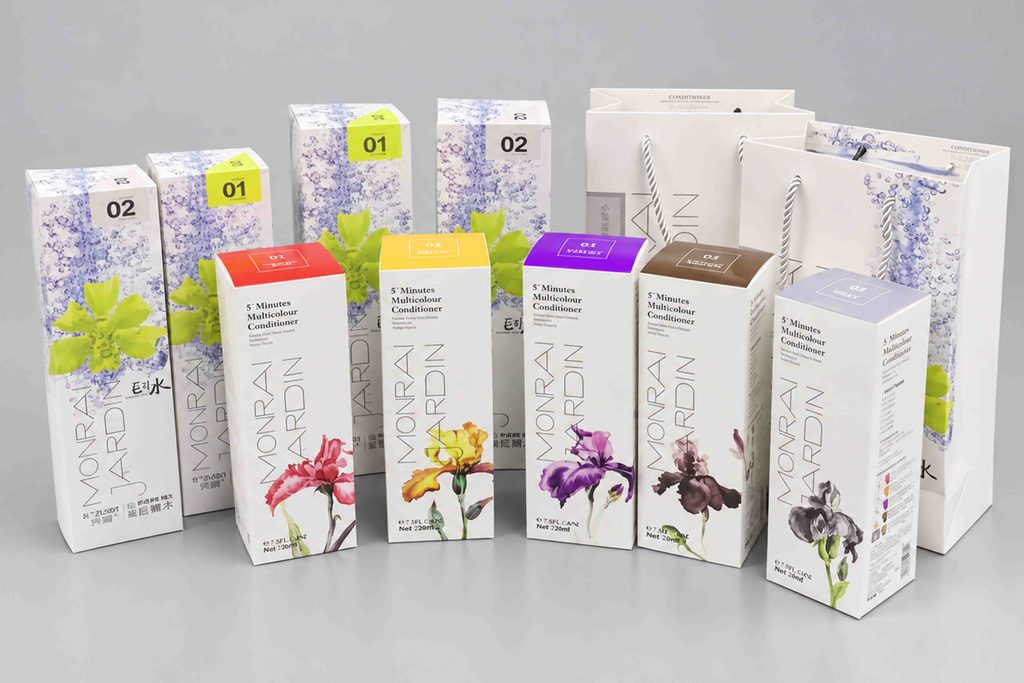
Request product samples, project photos, or case studies to verify its experience. Pay attention to box structures, material combinations, and finishing details similar to your project, as these provide more practical evidence than company history alone.
Experience Across Different Industries
Packaging requirements vary across industries. A manufacturer with relevant experience can better understand product protection, presentación, y necesidades de marca.
| Industria | Common Packaging Requirements |
|---|---|
| Cosmetics and Beauty | Premium finishes and inserts for bottles, paso, and skincare sets. |
| Joyas | Compact structures, soft linings, and secure product positioning. |
| Electrónica | Inserciones protectoras, precise dimensions, and durable structures. |
| Wine and Spirits | Bottle protection, secure inserts, and premium exterior finishes. |
| Artículos de lujo | High-quality materials, refined details, and distinctive presentation. |
Review the manufacturer’s previous projects to see whether its experience matches your product category, dimensiones, protection needs, y posicionamiento de marca. Relevant industry knowledge can also reduce design revisions and improve communication during development.
Innovation and Design Support for Emerging Brands
Emerging brands often need distinctive packaging to build brand recognition while keeping development costs under control. A manufacturer with strong design support can suggest alternative box structures, material combinations, and finishing techniques rather than simply following existing designs.
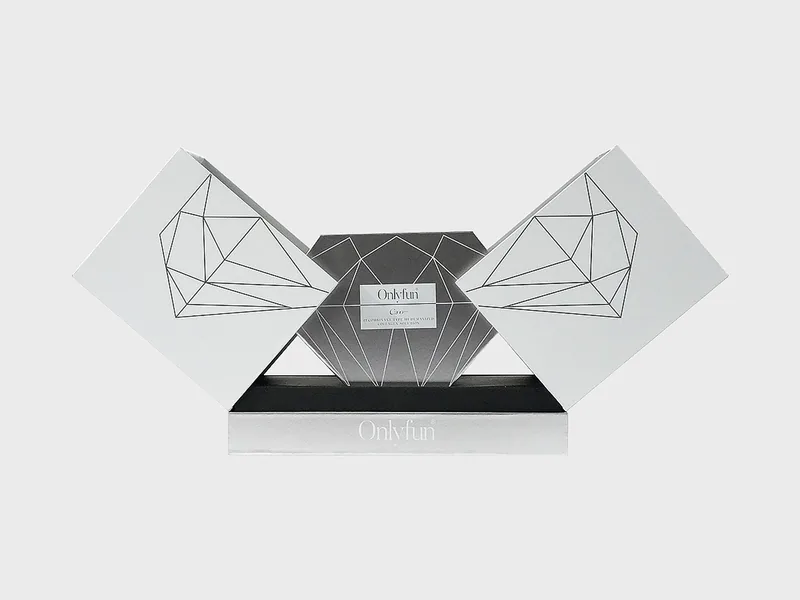
Por ejemplo, textured paper combined with foil stamping can create a distinctive appearance, while alternative box structures may offer a different unboxing experience. Sin embargo, proposed designs should also meet practical requirements:
- Structural Feasibility: The design must provide adequate product support and allow accurate production.
- Cost Control: Materials and finishing techniques should fit the available budget and order quantity.
- Production Scalability: The design should maintain consistent quality as order volumes increase.
Prototypes can help brands assess these details before bulk production and refine the design based on actual results.
3. Check Customization and Design Capabilities
Custom packaging requirements vary by product, identidad de marca, and intended use. A manufacturer should offer flexible design options and suitable materials to turn these requirements into practical rigid box solutions.
Structural Design and Box Styles
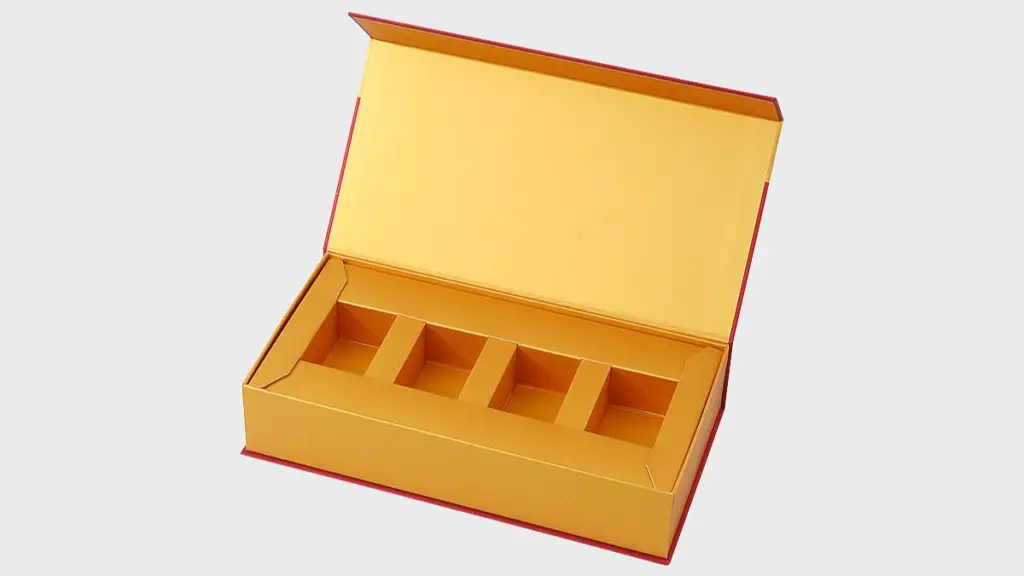
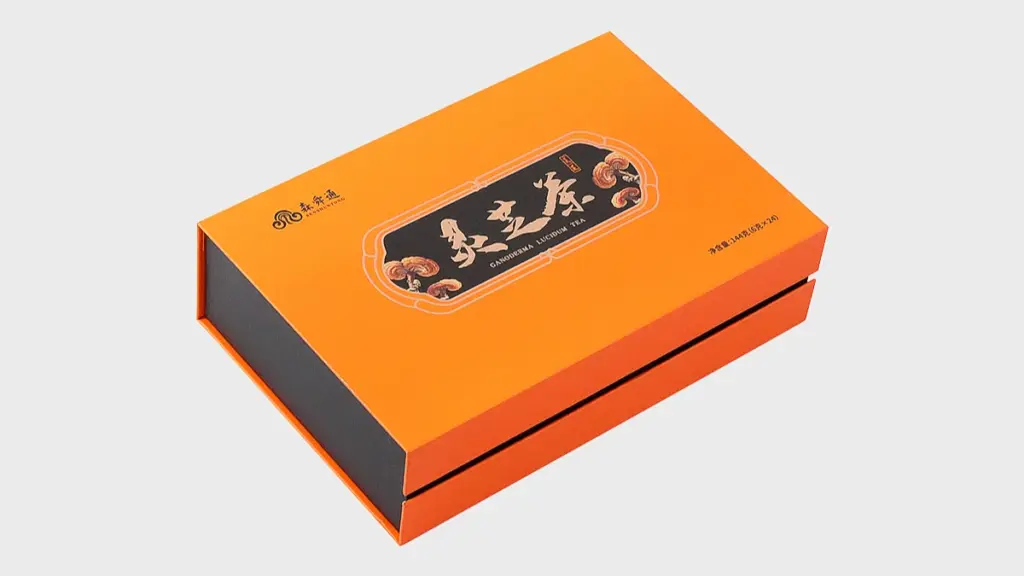
The box structure should match the product’s dimensions, peso, and packaging purpose. Por ejemplo, magnetic closure boxes offer a premium unboxing experience, drawer boxes provide a distinctive opening style, while lid and base boxes suit products that need a simple yet refined presentation.
Beyond standard styles, check whether the manufacturer can adjust box dimensions, internal compartments, and insert structures to fit your products. Ask whether it provides structural design, dieline development, and prototyping services. These capabilities help ensure that the box fits the product properly and that the design can move into production without unnecessary revisions.
For product-specific packaging ideas, explore this guide to supplement box structures to compare different designs and structural options.
Materiales, Impresión, and Finishing Options
Material and finishing choices influence both the appearance and durability of custom rigid boxes. Ask about available greyboard thicknesses, wrapping papers, papeles especiales, and insert materials. The appropriate combination depends on product weight, protection needs, posicionamiento de marca, y presupuesto.
Printing and decorative techniques also affect the final result. Common options include:
- Printing Methods: Offset Printing and Pantone Printing for brand colors, gráficos, and detailed artwork.
- Surface Finishes: Estampado de láminas, Realce, grabado, and Spot UV for added texture and visual details.
- Insert Materials: Cartón, espuma EVA, and other suitable materials to secure products and improve presentation.
Más importante aún, check whether the manufacturer can combine these options to achieve your desired packaging effect. Por ejemplo, specialty paper with foil stamping can create a premium look, while a custom insert can improve product positioning inside the box. Ask for material samples or examples of previous work to compare the actual colors, texturas, and finishes before confirming your specifications.
Custom Rigid Boxes for Your Brand
4. Review Product Quality and Quality Control
Consistent quality is essential for custom rigid boxes, especially when brands place large or repeat orders. Buyers should evaluate how manufacturers verify samples, monitor production, and handle quality issues before shipment.
Sample Development and Approval
A physical sample allows buyers to check whether the proposed design meets their requirements before committing to bulk production. Ask whether the manufacturer provides structural prototypes and printed samples, as each serves a different purpose. Structural samples help verify dimensions, box assembly, lid fitting, and product placement, while printed samples show how colors, gráficos, and finishes appear on the actual materials.
Before approving a sample, confirm that it uses the same materials and production methods planned for the final order. Any differences in greyboard thickness, wrapping paper, impresión, or finishing may affect the bulk product’s appearance and performance.
Once the sample meets your requirements, record the approved specifications and keep a reference sample for comparison during mass production. Confirm key details such as dimensions, color standards, surface finishes, and insert placement to reduce misunderstandings and avoid unnecessary revisions.
Quality Inspection Standards
A reliable manufacturer should follow clear inspection procedures throughout production rather than relying only on a final check. Para cajas rígidas, quality inspections should cover several practical details:
- Structural Accuracy: Check box dimensions, corner alignment, lid fitting, and overall shape.
- Surface Quality: Look for wrinkles, rayones, uneven paper wrapping, and visible adhesive marks.
- Impresión y acabado: Verify color consistency, artwork alignment, estampado de papel de aluminio, realce, and other decorative details.
- Assembly Quality: Check adhesive bonding, insert positioning, and the stability of assembled components.
Ask how the manufacturer conducts in-process inspections and final quality checks before shipment. You should also clarify its procedures for handling defective products, inconsistent batches, and quality complaints. A clear process for identifying problems, reporting findings, and arranging corrective action helps reduce the risk of receiving products that do not match the approved sample.
5. Compare MOQ, Pricing, and Production Lead Times
Order requirements, costos de producción, and delivery schedules all affect the total cost of sourcing custom rigid boxes. Buyers should compare these terms carefully to avoid unexpected expenses and delays.
Minimum Order Quantity and Order Flexibility
Minimum order quantity (Cantidad mínima de pedido) varies between manufacturers and depends on factors such as box size, complejidad del diseño, materiales, and production methods. Some suppliers set minimum quantities for each design or size, while others may allow multiple designs within one order under specific conditions.
Specialty papers, inserciones personalizadas, and additional finishing processes may also increase the minimum order requirement because they involve material preparation or additional setup costs. Before requesting a quotation, clarify how MOQ applies to different designs, tamaños, and colors.
For brands testing new products or entering a market, smaller trial orders can help assess packaging performance before committing to larger quantities. Ask whether the manufacturer supports low-volume orders and whether the same specifications can be used for future bulk production.
Pricing Transparency and Lead Time
The unit price of a custom rigid box depends on several factors, including material selection, dimensiones de la caja, complejidad estructural, impresión, surface finishes, and inserts. When comparing quotations, make sure each manufacturer uses the same specifications and order quantity. Otherwise, differences in materials or production requirements may make price comparisons misleading.
Additional costs should also be clarified before confirming an order:
- Sampling Fees: Costs for structural prototypes, printed samples, and sample revisions.
- Tooling Costs: Expenses for custom dies, molds, or other production tools, where applicable.
- Packaging and Shipping: Charges for protective outer packaging, transporte, and other delivery arrangements.
Production lead time is another important factor. Ask for separate estimates for sample development, sample approval, material preparation, and bulk manufacturing. Also confirm when the production schedule starts, whether it depends on deposit payment or final artwork approval, and how the manufacturer handles delays during busy periods.
A detailed quotation and production schedule make it easier to compare suppliers, calculate the overall sourcing cost, and plan packaging orders around product launches or inventory requirements.
6. Assess Communication, Entrega, and Long-Term Support
Clear communication and reliable order management help prevent misunderstandings throughout a packaging project. Buyers should also consider how manufacturers manage shipping arrangements and respond to issues after delivery.
Project Communication and Order Management
A dedicated contact can make communication easier during design confirmation, sample revisions, and order production. Before placing an order, check who will handle your project and how often you will receive updates. Timely responses are particularly important when specifications change or production issues require quick decisions.
Order documentation also matters for long-term cooperation. Ask whether the manufacturer keeps approved samples, especificaciones del producto, dieline files, and artwork for future orders. These records make repeat production easier and help maintain consistency when you reorder the same rigid boxes.
Shipping and After-Sales Support
International orders require careful planning to protect rigid boxes during transportation. Check whether the manufacturer has experience preparing export packaging and arranging shipments to your destination market. Outer cartons, protective materials, and suitable packing methods can help reduce damage caused by handling and transportation.
Before confirming an order, clarify the available shipping methods, estimated transit times, delivery responsibilities, and shipping terms. You should also understand how the supplier handles problems after delivery:
- Damaged Products: Whether the manufacturer investigates transit damage and provides a solution based on the agreed shipping and responsibility terms.
- Quantity Discrepancies: How shortages or incorrect quantities are reported and resolved.
- Quality Complaints: What evidence is required, how claims are reviewed, and whether replacement products or other corrective measures are available.
Clear after-sales procedures give buyers a better understanding of the manufacturer’s responsibilities and help establish a more reliable basis for long-term cooperation.
7. Compare Manufacturers Before Making Your Final Decision
Compare shortlisted manufacturers based on your packaging requirements, presupuesto, and future order plans. Use consistent criteria to evaluate each supplier:
- Capacidades de producción: In-house processes, equipment, production capacity, and ability to handle your order requirements.
- Industry Experience: Previous projects, technical expertise, and familiarity with your product category.
- Servicios de personalización: Available box structures, materiales, métodos de impresión, and finishing options.
- Control de calidad: Sample accuracy, procedimientos de inspección, and how the manufacturer handles quality issues.
- Pricing and Lead Times: Quoted costs, additional charges, production schedules, and delivery arrangements.
- Communication and Support: Project management, response times, documentation, and after-sales procedures.
When requesting quotations, provide the same specifications, materiales, finishing requirements, and order quantities to each manufacturer. This makes the offers easier to compare and helps identify differences in cost and service.
Avoid making a decision based on unit price alone. Consider overall production reliability, service quality, and the manufacturer’s ability to support repeat orders.
Pensamientos finales
A reliable custom rigid box manufacturer should offer more than competitive pricing. Manufacturing expertise, relevant industry experience, personalización flexible, and consistent quality all affect the final packaging and sourcing process. Buyers should also consider communication, delivery arrangements, and long-term support to ensure the supplier can meet both current requirements and future order needs.
Risun provides custom rigid box and paper packaging solutions for brands across different industries. With a range of packaging options and manufacturing support, Risun can be considered by brands looking for a packaging partner. Contact Risun to explore its custom packaging solutions.
Preguntas frecuentes
What Is the Difference Between Rigid Boxes and Folding Cartons?
Rigid boxes use thick paperboard to create a sturdy structure and premium presentation, making them suitable for luxury gifts, productos cosméticos, electrónica, and other high-value products. Folding cartons use thinner paperboard and can be shipped flat, making them more suitable for lightweight products and cost-efficient packaging. The choice depends on product protection, posicionamiento de marca, storage space, y presupuesto.
What Information Should I Provide When Requesting a Custom Rigid Box Quote?
Provide the product dimensions, box style, cantidad de pedido, material preferences, insert requirements, printing details, and desired finishes. Product photos or reference packaging can also help manufacturers understand your requirements. If you have a target budget or delivery destination, include these details to support a more accurate quotation.
How Do I Choose the Right Insert for a Custom Rigid Box?
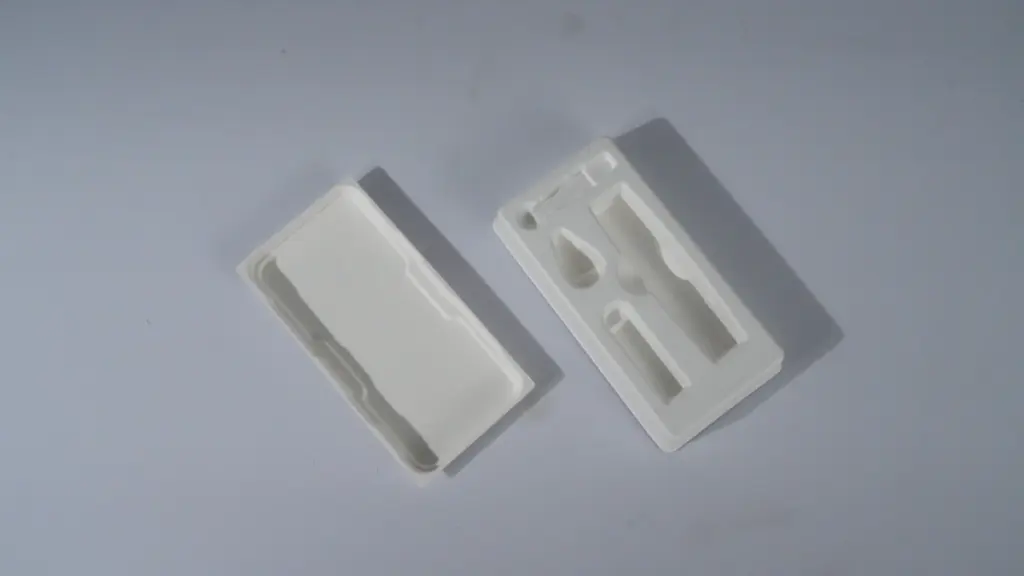
The insert should match the product’s shape, peso, fragilidad, and presentation requirements. Paperboard inserts work well for lightweight products and paper-based packaging, while EVA foam offers cushioning for delicate or heavier items. Molded pulp is another option for brands seeking fiber-based packaging. Request a prototype to check product fit and stability before mass production.
Are Custom Rigid Boxes Suitable for E-Commerce Shipping?
Custom rigid boxes can provide strong product protection and a premium unboxing experience, but they may still require an additional shipping carton. The outer carton helps protect the retail packaging from impact, presión, and handling during transportation. Consider the product’s weight, fragilidad, and shipping distance when planning the complete packaging solution.
Can Rigid Boxes Be Made Collapsible to Save Storage Space?
Sí. Collapsible rigid boxes use foldable structures that can be assembled for use and folded flat for storage. They help reduce storage and transportation volume compared with conventional rigid boxes. Sin embargo, the folding structure, material thickness, and assembly method should be evaluated to ensure the box maintains sufficient strength and appearance.
Are Custom Rigid Boxes Recyclable?
Many rigid boxes use paper-based materials such as greyboard and wrapping paper, which may be recyclable depending on their coatings, laminaciones, and other components. Plastic inserts, foil finishes, and certain surface treatments can affect recyclability. Brands with sustainability requirements should confirm the material composition and available recycling options with the manufacturer before finalizing the design.